





Humidity can damage ordinary wood floors, causing them to swell, warp, or lose their shape over time. Many homes in tropical and coastal regions face this problem, especially in kitchens, basements, and other damp spaces. Engineered wood flooring offers a practical solution that keeps its strength and appearance even when humidity levels rise.
This type of flooring combines natural wood with layers designed to stay stable in changing conditions. It keeps the warmth and style of traditional wood while adding protection against moisture. The following sections explain how engineered wood flooring performs in humid climates and why it stands out as a smart, long-term choice for modern homes.
Superior moisture resistance compared to solid wood, reducing warping and swelling
Engineered wood flooring performs better in humid conditions than solid wood because of its layered structure. Each layer is placed in alternating directions, which helps control expansion and contraction. This reduces the chance of warping or swelling when moisture levels rise.
The plywood or hardwood base adds strength and makes the boards more stable. Solid wood, made from a single piece, tends to expand unevenly, which can cause gaps or raised edges over time. Therefore, engineered floors hold their shape better in areas such as kitchens or basements.
A wide selection of engineered wood floors allows you to choose flooring that handles humidity without losing its natural look. Different thicknesses and finishes allow homeowners to match both style and performance needs. Proper installation and care further extend the lifespan and keep the surface smooth and firm, even in damp climates.
Multi-layer construction with plywood or HDF core for improved stability
Engineered wood flooring has a layered structure that improves how well it performs in humid conditions. The top layer is real hardwood, while the core beneath is usually made of plywood or high-density fibreboard (HDF). This mix of materials helps the floor keep its shape more effectively than solid wood.
Each layer in the core is placed with the grain running in different directions. This cross-ply pattern resists movement caused by changes in temperature and moisture. As a result, the boards are less likely to swell, shrink, or warp over time.
Plywood and HDF cores both provide stability, though they differ slightly. Plywood has thin sheets of wood glued together, while HDF uses compact wood fibres to form a dense base. Both options give strong support to the surface veneer and help prevent gaps between planks.
This construction makes engineered wood flooring better suited for areas where humidity levels rise and fall throughout the year. It stays flat and looks smooth even in challenging climates.
Maintains aesthetic appeal despite fluctuating humidity levels
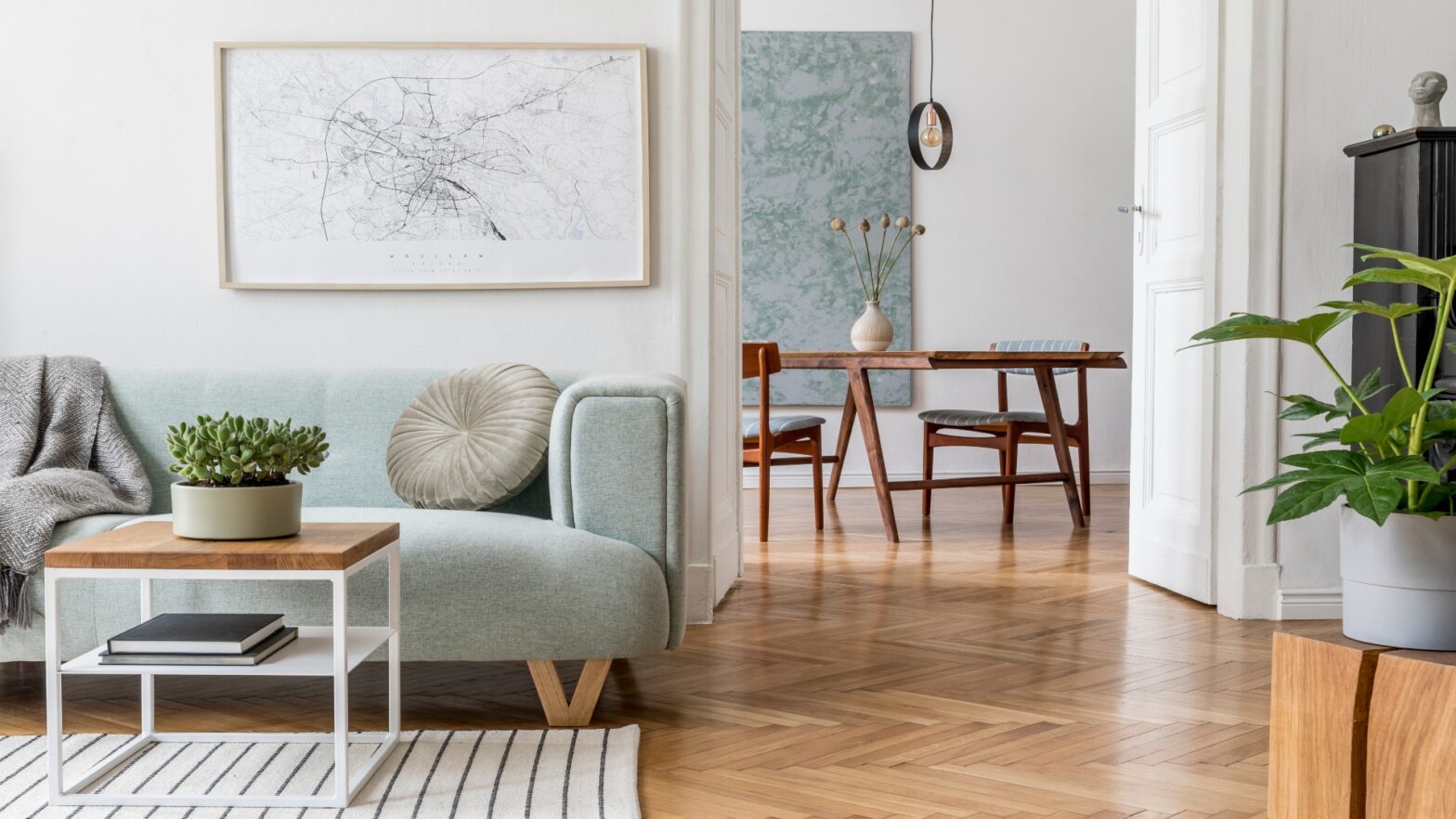
Engineered wood flooring keeps its natural look even in humid weather. Its surface shows the same grain and colour as solid wood, giving rooms a warm and classic feel. This appearance stays stable because the design resists moisture changes that can harm ordinary hardwood.
The layered structure plays a major role in keeping the surface smooth. The base layers balance the top layer, so the boards resist warping or swelling as humidity rises or falls. As a result, the floor retains its finish and shape without gaps or uneven boards.
Homeowners appreciate that this type of flooring keeps its charm through seasonal shifts. It continues to reflect the beauty of real wood, while fewer visual flaws appear over time. Proper care, such as controlling indoor humidity and cleaning gently, also helps preserve the colour and natural texture that make engineered wood visually appealing year-round.
Suitable for high-humidity rooms like kitchens and basements
Engineered wood flooring fits well in areas that deal with frequent moisture, such as kitchens and basements. Its layered design reduces the amount of swelling or shrinking that usually affects solid wood. The cross-grain construction helps the boards stay steady even as humidity levels shift.
Many homeowners find this type of flooring practical where spills or damp air are common. In kitchens, it handles minor water contact better than traditional hardwood. It also gives the room a natural look that matches a variety of interior styles.
In basements, where concrete subfloors often hold moisture, engineered wood works far better than solid planks. The structure helps prevent warping and cupping, which can happen in damp conditions. This makes it a good choice for anyone who values stability and longevity in humid spaces.
Uses real hardwood veneer to combine durability with natural beauty
Engineered wood flooring features a real hardwood veneer as its top layer. This veneer shows the authentic texture, colour, and grain of natural wood, giving the surface a genuine appearance that solid wood floors offer. Because of this layer, the flooring provides both style and strength.
Beneath the veneer lies a stable base made from layers of plywood or high-density fibreboard. This layered design helps the floor resist movement caused by humidity and temperature shifts. It also makes the boards stronger and less likely to warp than solid wood.
The hardwood veneer adds durability by protecting the surface from everyday wear. It allows for light sanding and refinishing if needed, which helps the floor maintain its look for many years. Therefore, engineered wood flooring gives homeowners the warmth and visual appeal of solid timber with added stability and longevity suited to humid conditions.
Conclusion
Engineered wood flooring offers a smart solution for humid climates where solid hardwood often struggles. Its layered design resists moisture and reduces warping, which helps floors maintain their shape and strength over time. This structure gives homeowners both the look of real wood and improved stability in variable conditions.
The material also supports long-term value since it typically needs less maintenance and replacement. With proper care, it can provide years of dependable use without losing its appearance or quality.
By combining visual appeal with practical performance, engineered wood flooring meets the demands of moisture-prone environments while preserving the natural warmth and charm of wood.