





Are Luxury Assets Becoming the New Form of Investment?
As traditional financial markets fluctuate and inflation pressures persist, investors are increasingly exploring alternative ways to preserve and grow wealth. This article examines how luxury assets like art, watches, jewelry, cars, and even handbags are emerging as credible investments in the modern economy.
The New Face of Wealth Preservation
In recent years, macroeconomic instability and rising living costs have prompted investors to rethink how they store value. Traditional assets, stocks, bonds, and real estate, remain important, but they’re no longer the only vehicles for wealth preservation. Luxury assets are stepping into the spotlight as tangible investments that combine exclusivity, emotional appeal, and long-term appreciation.
One key indicator driving this shift is the rise in consumer inflation, measured through metrics like the Personal Consumption Expenditures index. Understanding what is PCE helps explain this trend, it tracks changes in the prices of goods and services consumed by households, serving as a core gauge of inflation in the United States. When the PCE index rises, purchasing power declines, pushing investors toward assets less vulnerable to monetary erosion. Fine art, vintage cars, and rare watches have proven to maintain or even increase in value when fiat currencies lose strength.
From Collectibles to Capital Assets
Luxury goods were once viewed as indulgences, not investments. However, the perception has shifted as data reveals consistent long-term appreciation across select categories. The Knight Frank Luxury Investment Index, for instance, shows strong decade-long gains in classic cars, fine wine, and rare whiskey, outperforming many traditional market indices.
Fine art has been a clear leader. Blue-chip works by artists such as Picasso or Basquiat have fetched millions more over the past decade than their previous auction prices. Similarly, the secondary market for luxury watches like Rolex, Patek Philippe, and Audemars Piguet has become highly liquid. The surge of online trading platforms has made it easier for collectors to buy, sell, and track valuations in real time, effectively turning what was once a niche hobby into an accessible investment class.
The Role of Emotion and Identity
Unlike stocks or ETFs, luxury assets offer an emotional return alongside financial gain. Collectors are often drawn to passion investments, items they admire, understand, or personally connect with. For example, vintage watch collectors often emphasize the heritage and mechanical artistry of their timepieces. Art investors may align purchases with personal values, supporting emerging artists or social causes.
This emotional component doesn’t diminish financial logic, it enhances it. Investors who genuinely understand their collections tend to make smarter, longer-term decisions, avoiding speculative bubbles and impulsive purchases. As a result, passion-driven markets can sometimes outperform purely profit-driven ones, particularly in luxury categories with strong heritage and global demand.
The Data Behind the Demand
Market research supports the idea that luxury assets are not just status symbols but strategic holdings. Bain & Company’s 2025 report on the global luxury market shows continued growth, with total spending projected to surpass $400 billion. Meanwhile, online platforms like Chrono24 and Sotheby’s have democratized access to data and transactions, allowing investors to monitor trends with transparency once limited to insiders.
For example, the price of a 1970s Rolex Daytona has appreciated over 500% in the past 15 years. Similarly, top-tier wines from Bordeaux and Burgundy have outperformed many bond portfolios. These figures highlight a broader pattern, luxury assets are behaving more like financial instruments, with measurable liquidity, data-backed valuations, and historical performance metrics.
Risks and Considerations
While the upside is enticing, luxury asset investing is not without risk. The market can be illiquid during downturns, and transaction costs are often high. Authenticity verification, storage, insurance, and maintenance are ongoing concerns. Moreover, trends can shift, what’s fashionable today may lose appeal tomorrow.
Another key factor is taxation. Many jurisdictions treat profits from collectible sales differently than traditional capital gains, which can reduce net returns. Additionally, luxury markets are susceptible to counterfeiting and speculative bubbles, especially when social media hype drives sudden demand.
To navigate these risks, experts recommend diversification within the alternative asset class itself. Balancing art with jewelry, or cars with wine, helps mitigate volatility. Provenance research, expert appraisals, and using reputable platforms also play vital roles in protecting investment integrity.
The Institutional Shift
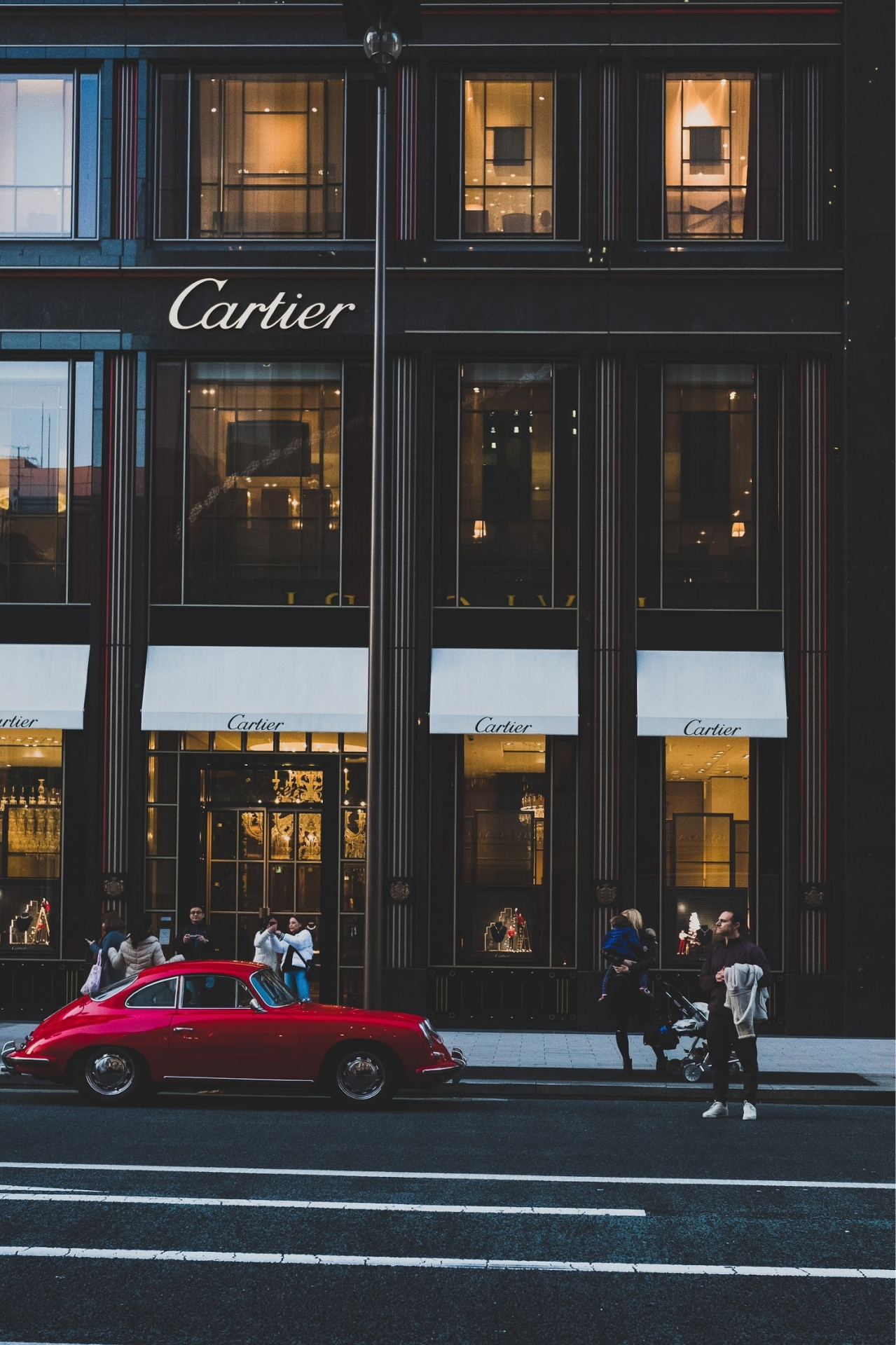
Interestingly, institutional investors are also entering the space. Hedge funds, family offices, and even pension funds are exploring partial exposure to art and collectible indices. Fractional ownership models now allow investors to buy shares in high-value items, like a Banksy painting or a 1960s Porsche, without the need to purchase them outright.
This institutional participation legitimizes the market and enhances liquidity. It also blends traditional finance with alternative investments, creating hybrid models that bridge the worlds of passion and profit. The rise of blockchain-based authentication and digital asset registries further strengthens the ecosystem, making luxury asset trading more secure and transparent than ever before.
Conclusion
The transformation of luxury goods into investment assets reflects a broader evolution in how people perceive value. In a data-driven, inflation-sensitive economy, tangible assets like art, cars, and jewelry are becoming modern hedges against volatility. Whether driven by emotion, strategy, or both, luxury asset investing illustrates a timeless truth, wealth is not just measured in numbers but in stories, craftsmanship, and legacy.