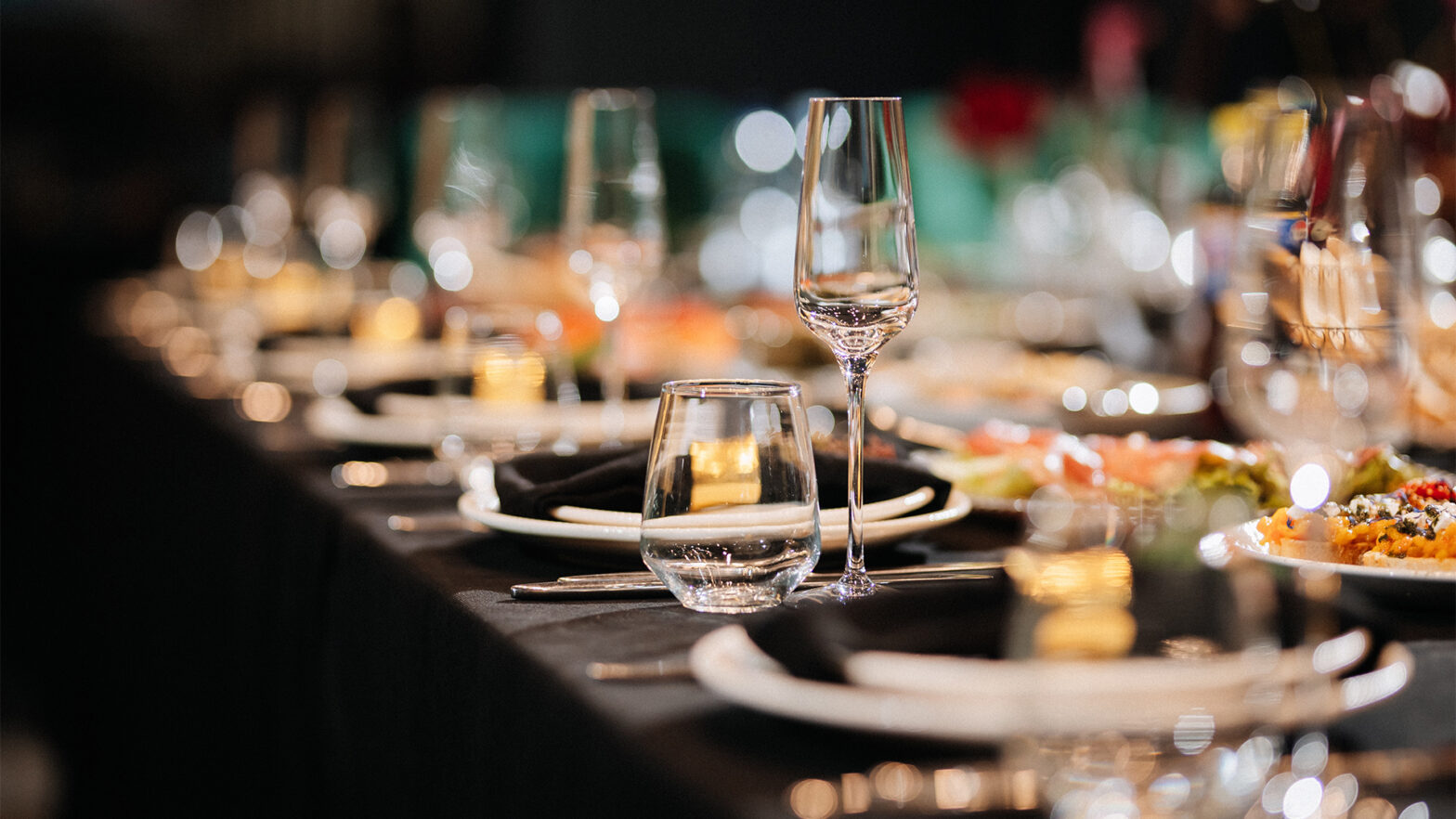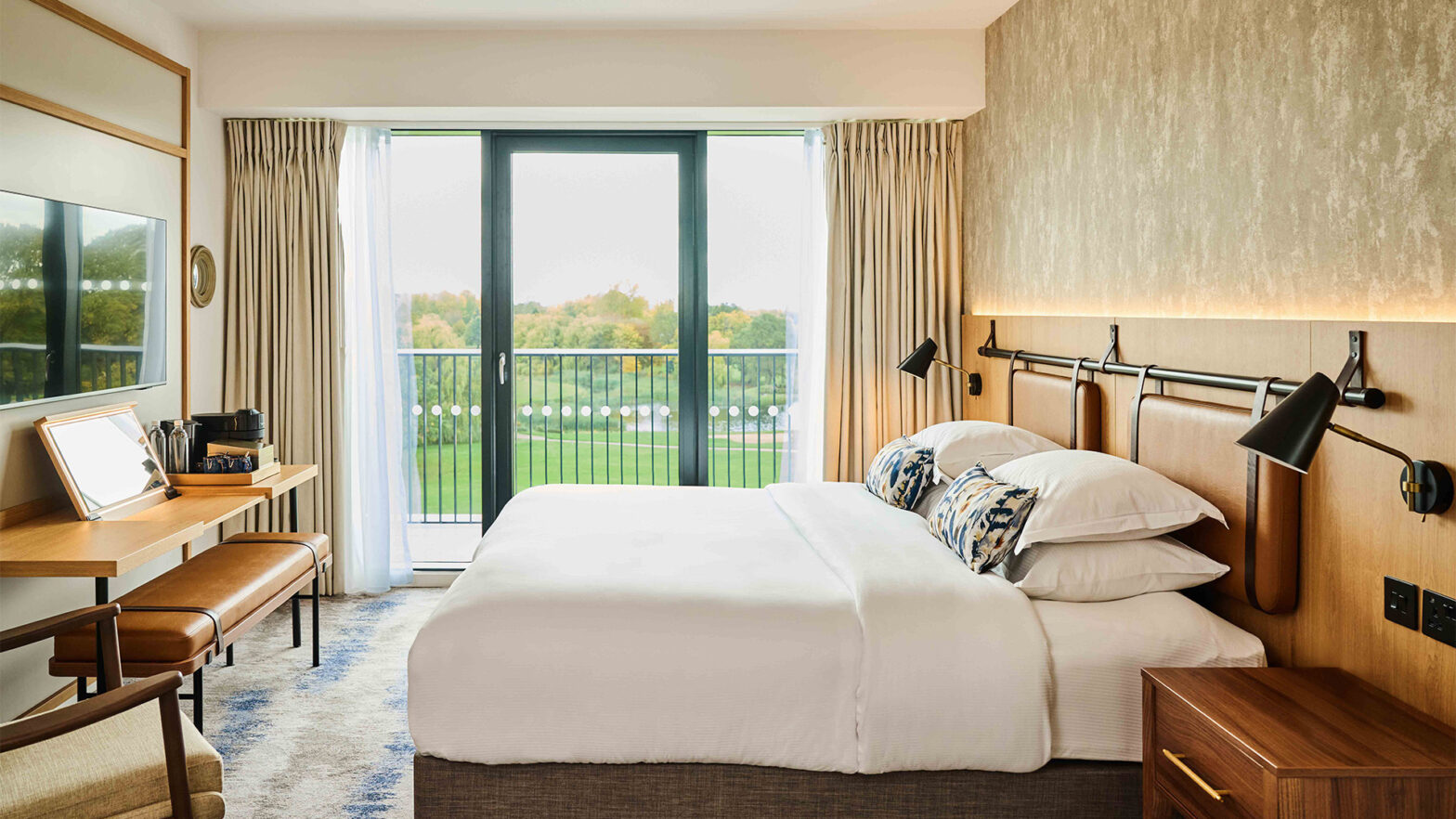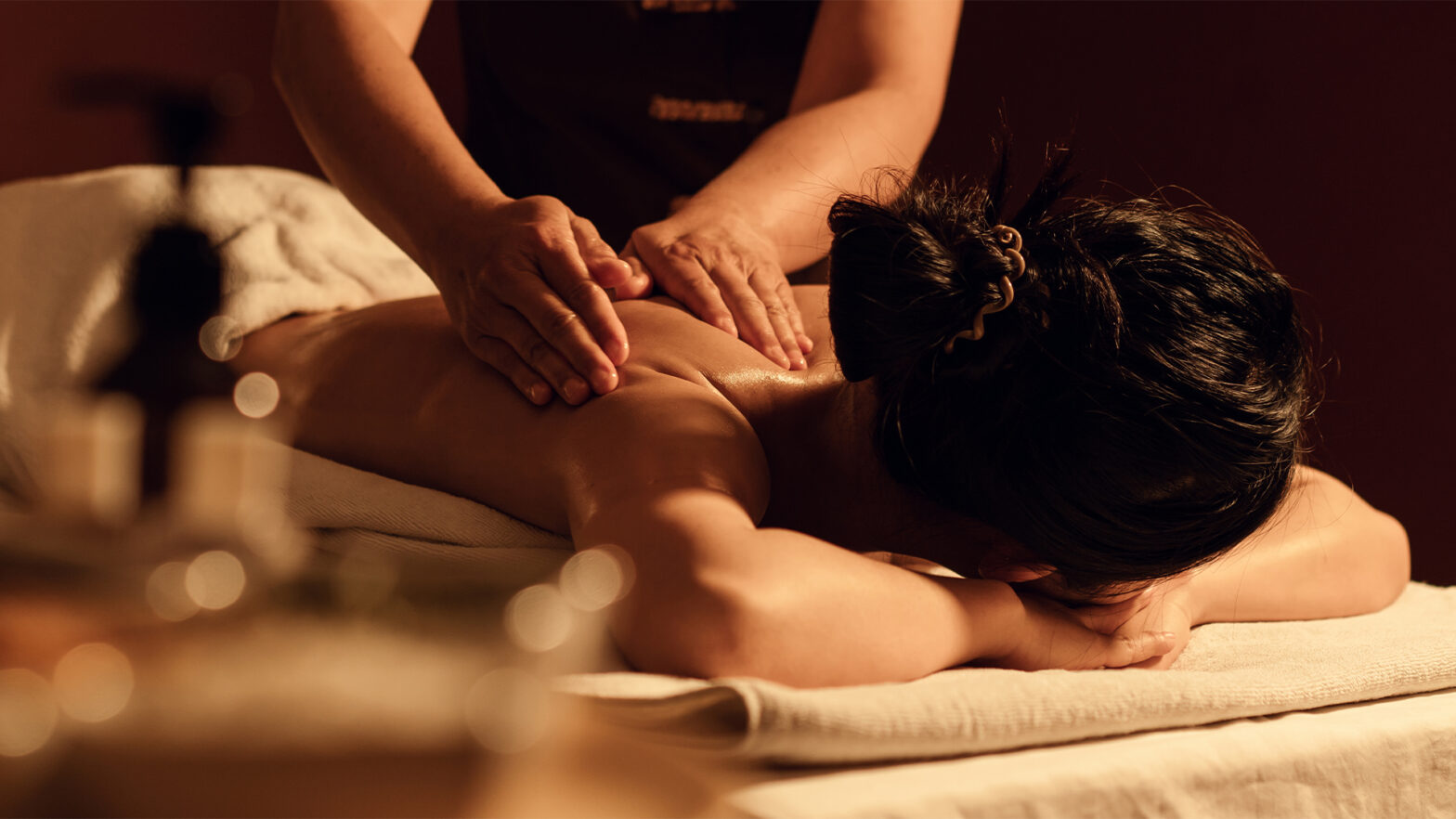



Luxury is not defined solely by price, exclusivity, or architectural grandeur. In high end hospitality, luxury lives in sensory detail. It is the quiet confidence of a venue that knows who it is and what it wants guests to feel the moment they walk through the door. The softness of lighting, the texture of upholstery, the scent in the air, the background music that blends into conversation without drowning it out. These elements work together to create an atmosphere that does more than impress surface level taste. It lingers. It becomes a memory.
For boutique hotels, upscale bars, and fine dining restaurants, atmosphere is no longer an afterthought. It is one of the most decisive aspects of modern luxury. Travelers and discerning diners are not just seeking a meal or a place to sleep. They crave an experience that feels personal, curated, and emotionally satisfying. They want something to remember, and more importantly, something to return to.
Luxury begins with arrival
Every luxury experience has a first note. Sometimes it is the weight of the front door, designed to feel substantial and confident. Sometimes it is a fragrance that signals calm after a long day of travel or work. Sometimes it is the soundscape of a lobby or lounge, set at a level that feels welcoming rather than overstated.
High end venues consider the arrival moment carefully. Staff training, eye contact, coat service, and check in flow all matter, but the environment surrounding those interactions makes them meaningful. An entryway that feels serene encourages guests to slow down. A space filled with warm light and rich tonal colors lowers tension. A complimentary welcome drink or cold towel signals that comfort is a priority, not an option.
Guests make emotional judgments quickly. A refined atmosphere ensures those first few seconds land with intention.
The role of design in shaping emotion
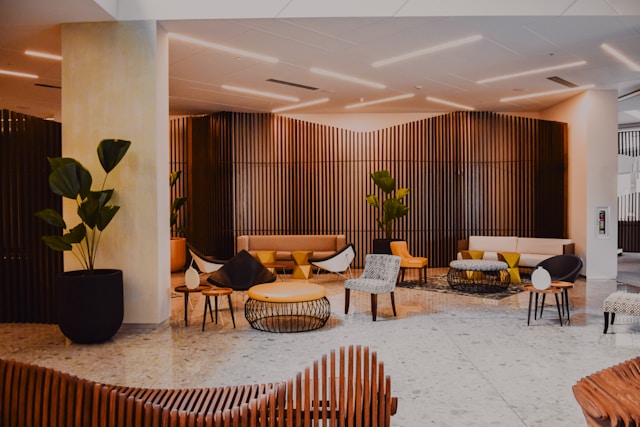
Luxury interior design is more than marble floors and artistic fixtures. It is storytelling. The best venues design rooms that speak to a narrative: heritage, culture, modern sophistication, escapism, intimacy. Every object plays a role. Chairs encourage posture or relaxation. Tables suggest lingering conversation or a lively social rhythm. Textiles soften acoustics and visually communicate warmth.
The most memorable interiors are the ones that feel cohesive. Palettes are built thoughtfully. Materials are chosen for how they age and how they feel under fingertips. Natural stone, brushed brass, velvet, dark woods, hand crafted ceramics. Luxury is tactile.
Spacing also matters. A fine dining room with tables placed too closely feels rushed. A cocktail lounge that lacks seating variety becomes monotonous. High end bars create layers: booth, bar, lounge chair, standing area. Different seating options support different moods throughout the evening. A guest may begin with a martini at the bar, settle into velvet seating for conversation, then migrate to a corner table for privacy.
Atmosphere is not visual alone. It is spatial.
Lighting that sculpts atmosphere
Lighting in premium hospitality is never generic. It is designed, calibrated, sometimes tested across many evenings to find the right tone. Luxury lighting is often layered. Ambient light forms a base glow, while accent lighting highlights architectural details or table surfaces. Candles or warm bulbs create intimacy and soften edges.
In an upscale bar, lighting should encourage longer stays. Bold overhead brightness works during early hours, but evening service often benefits from a softer environment that flatters skin, glassware, and wood finishes. Guests should feel attractive. No one enjoys harsh lighting in a beautiful setting.
Smart venues adjust light temperature throughout the day, allowing lunch service to feel fresh and dinner to feel exclusive. The shift is subtle but powerful.
Sound and ambiance that feels intentional
Music is one of the most underestimated tools for shaping luxury. When done well, it blends invisibly into the atmosphere, guiding mood without demanding attention. A boutique hotel lobby may favor relaxed, soulful instrumental tracks during the afternoon and transition toward deeper tones in the evening. A fine dining restaurant may pair jazz, soft electronic, or classical influences with slow pacing to support conversation.
Bars especially depend on sound. Volume, rhythm, and genre influence dwell time, energy levels, and perceived exclusivity. An elegant cocktail bar will not share the same soundtrack as a luxury rooftop lounge, even if both serve premium spirits. The music program must reflect brand identity and time of day. This is where licensed background music or curated programs become valuable, allowing venues to maintain ambiance without relying on random playlists.
Sensory layering makes luxury unforgettable
Luxury hospitality is sensory hospitality. The more carefully each sense is considered, the more immersive the experience becomes.
Sight
Visual aesthetics are the first cue guests register. Symmetry, color, reflections in glassware, cleanliness, and curated decor all contribute to perceived quality.
Sound
Balanced acoustics keep conversation comfortable. Thoughtful background playlists help shape identity, whether through soft jazz, world music, or modern lounge selections.
Scent
Signature scents are common in luxury hotels. Citrus for freshness, sandalwood for depth, floral notes for calm. The right fragrance can become a brand asset.
Touch
Textured menus, premium linens, polished cutlery, marble counters, and upholstered chairs communicate luxury without words.
Taste
In dining venues and bars, taste is the crown of the experience. But even exceptional cuisine shines brighter when supported by atmosphere.
Luxury happens when these senses work as a symphony, not as individual players.
Service that feels effortless
Service defines luxury more than any material finish. High end guests expect attentiveness, but they also value discretion. Staff should appear before they are needed, not after. Refilling a water glass at the right moment. Remembering a guest’s favorite drink on the second visit. Recommending a wine based on personal preference rather than price. Hospitality is about making guests feel understood.
Training is critical. The most successful venues empower staff with autonomy, knowledge, and the ability to solve problems without hierarchy slowing everything down. Smooth service is quiet confidence.
The social character of bars and lounges
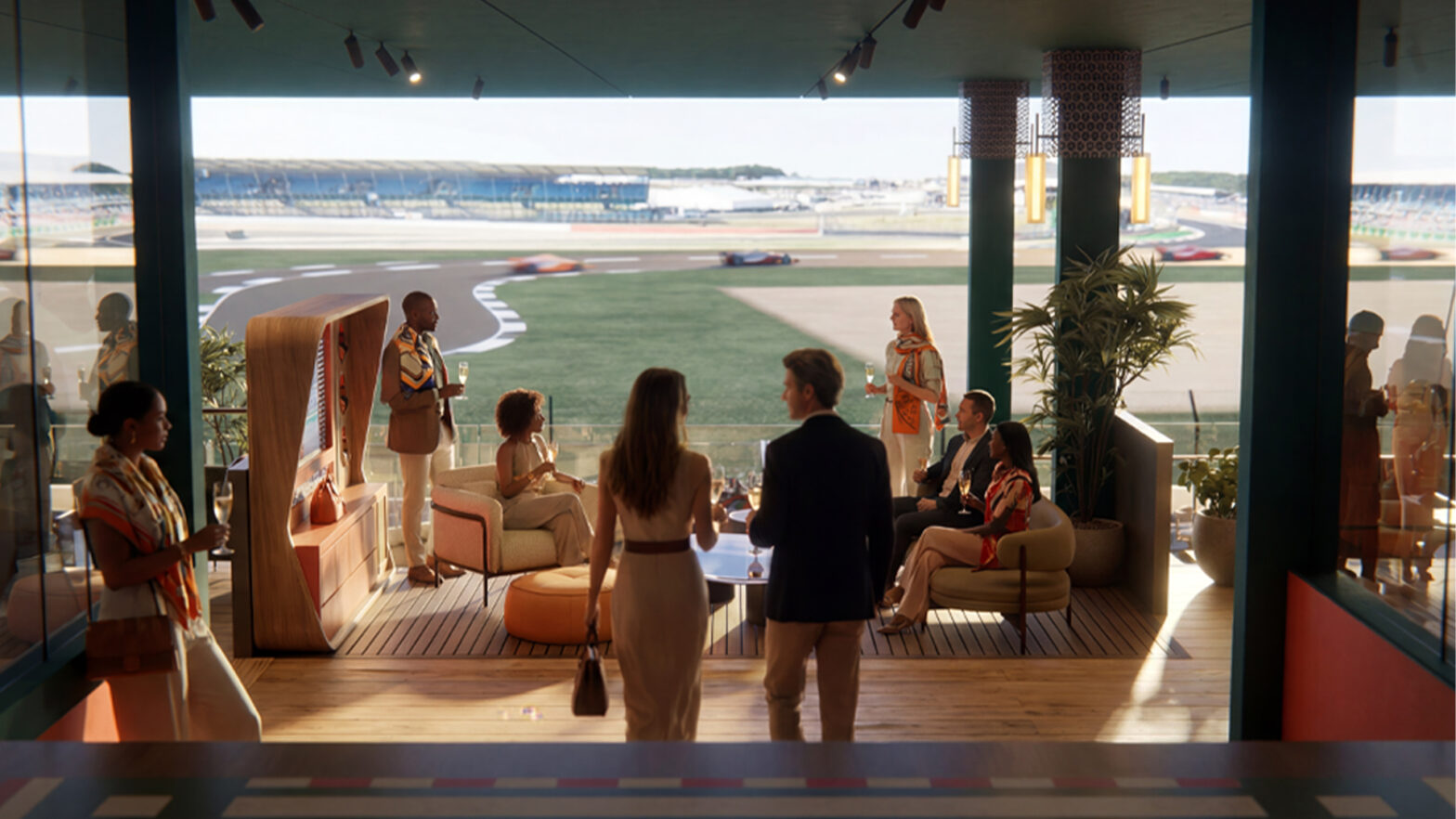
Luxury bars have evolved from cocktail destinations to social living rooms. They are stages for conversation, networking, romance, celebration. The design of a bar can shape social behavior. Taller counters invite lively discussion. Plush booths encourage longer stays. Live piano or soft DJ sets add texture without overpowering intimacy.
Music selection becomes an identity marker. A whiskey lounge might lean toward blues or classic jazz. A rooftop bar might favor upscale electronic or deep house. A Michelin restaurant bar may choose elegant instrumental playlists with tasteful modern influences. For many premium venues, tailored music for bars playlists are as intentional as the wine list, helping maintain character and flow as guests arrive, settle in, and stay longer.
Guests remember how a place made them feel. Bars that master ambiance become destinations.
Atmosphere is the luxury signature
High end venues differentiate themselves through atmosphere more than anything else. Guests remember mood, comfort, and the feeling of being looked after. A venue that understands sensory detail does not need to shout luxury. It communicates it quietly through design, sound, service, scent, and spatial experience.
Luxury is not loud. It is intentional. It is curated. It is felt before it is understood.
When atmosphere is treated as a core part of the guest journey, premium venues create something rare. They create memory. And in hospitality, memory is loyalty.