



The aesthetic industry in the UK is experiencing a profound shift, driven by a dramatic surge in demand for men’s aesthetics. Non-surgical enhancements designed for structural definition, known collectively as facial masculinisation, are now mainstream, signalling a broader cultural movement.
This rapid expansion challenges outdated stereotypes regarding cosmetic treatments for men. Data confirms this behavioural change: the British College of Aesthetic Medicine reported a staggering 70 per cent increase in male aesthetic treatments in recent years, demonstrating genuine market transformation rather than fleeting interest.
This growing demand is particularly evident in high-end practices offering bespoke services, such as facial masculinisation treatments in London like Dr Hass Clinic. Men are increasingly seeking refined contours, strong jawlines, and prominent features that correlate with perceived vitality and leadership in both competitive and social environments.
The trend is not isolated; it is underpinned by the massive growth of the men’s grooming products market, which provides context for this investment in self-presentation. Facial aesthetic treatment is now viewed by many male patients as integral to personal optimisation, deeply embedded in the modern conversation around redefining masculinity and men’s confidence.
Redefining Masculinity: The Cultural Shift in Self-Care
The rising prevalence of male aesthetic treatments reflects a cultural re-evaluation of masculinity and self-care. Aesthetic enhancements among men are no longer hidden choices; they intersect with values around authenticity, self-presentation, and personal agency.
Cultural influences, including social media visibility and celebrity culture, have shifted male beauty ideals toward chiselled jawlines and strong features. VICE UK and Rare Consulting have noted that the visibility of aesthetic work, particularly lower face and neck treatment, has decreased the stigma associated with cosmetic treatments for men.
Defining the Non-Surgical Masculine Profile
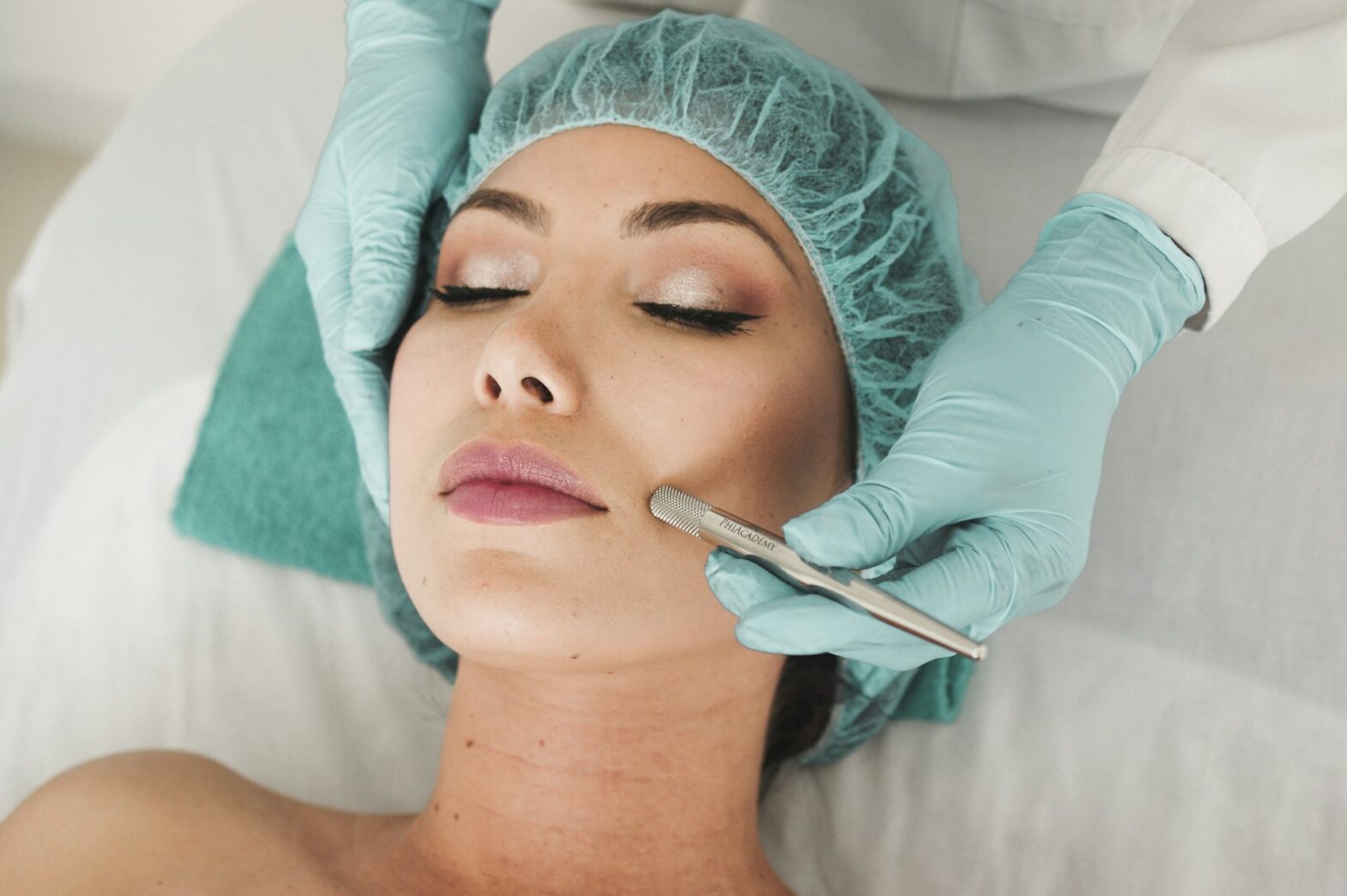
Facial masculinisation refers to purpose-driven, non-surgical aesthetic procedures, primarily utilising advanced dermal filler products. These cosmetic treatments for men are strategically employed to enhance features traditionally associated with a strong, masculine facial structure.
The goal for many male patients is refined structural harmony, not transformation. This approach appeals to maturing male patients who desire subtle yet impactful results that enhance their men’s confidence and visual presence without obvious signs of intervention.
The Symbolic Importance of the Jawline
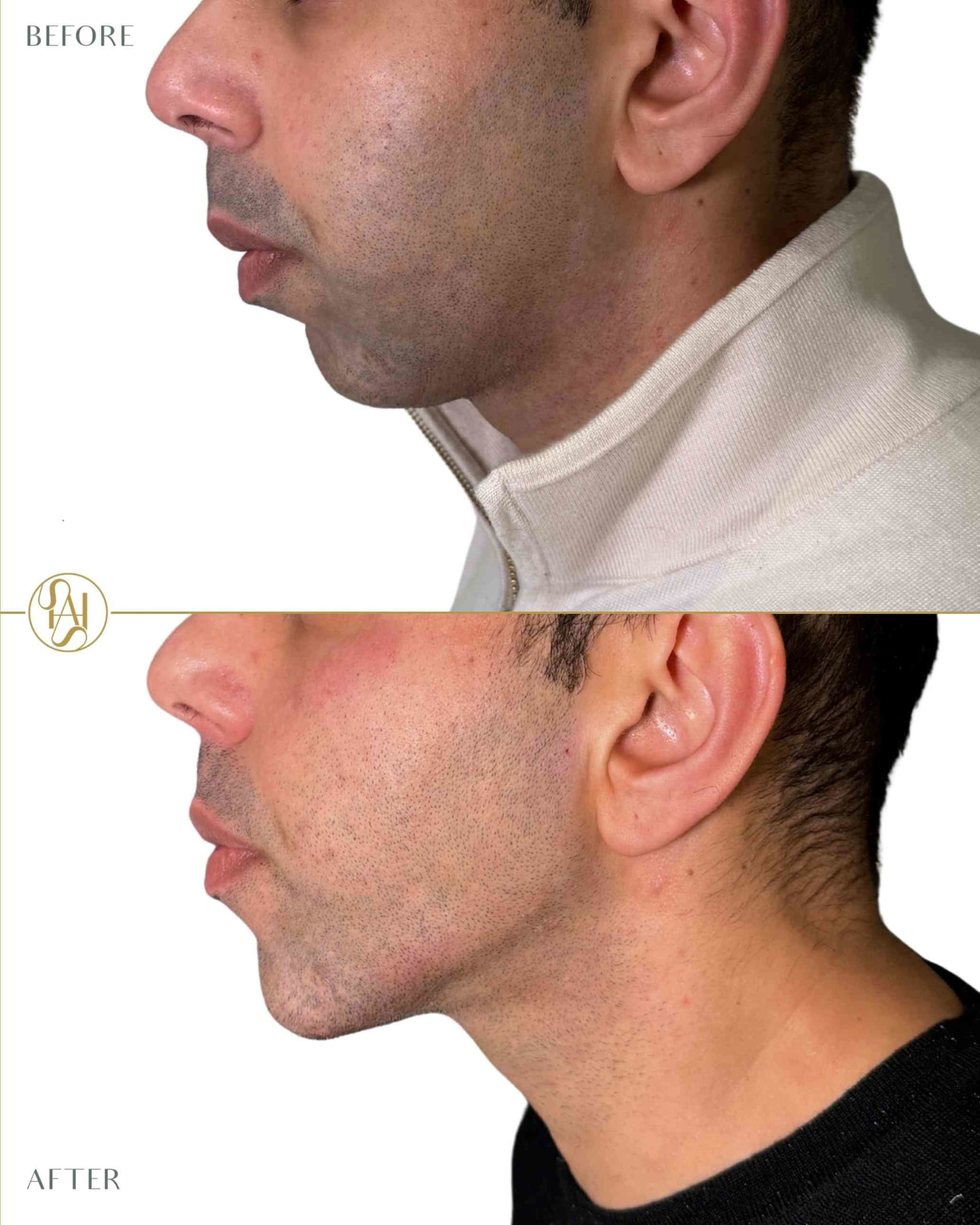
These injectable facial aesthetic treatments typically focus on three key areas: the cheekbones, the chin, and the jawline. Unlike generic cosmetic procedures, masculinisation techniques emphasise anatomical balance and projection, crafting a defined profile that is instantly associated with vitality.
Jawline fillers and chin contouring, critical components of this facial aesthetic treatment, specifically address common concerns like softening jowls or lack of definition. This focus on lower face and neck treatment reinforces the ideal of a chiselled, structured appearance.
Facial Masculinisation and Contouring Packages
Non-surgical treatments designed to sculpt the jawline and enhance facial features are experiencing a growing demand. Treatments like jawline augmentation, cheek fillers, and chin contouring are sought after for a more defined and masculine appearance.
While costs vary widely across aesthetic clinics, bespoke facial masculinisation packages often require significant volume of high-density dermal filler and high levels of expertise. Comprehensive services designed to achieve structured, lasting results can cost around £2,500 in some high-end practices, reflecting the precision required.
Selecting Expert Aesthetic Clinics
When considering advanced aesthetic treatments like facial masculinisation, clients must look for aesthetic clinics led by doctors with surgical or extensive anatomical backgrounds.
These practitioners possess the deep understanding necessary to manage complex facial proportioning and mitigate risks associated with high-volume dermal filler placement. Transparency regarding the type of dermal filler used, expected outcomes, and longevity of results is essential for informed choice among male patients.
For instance, high-end practices offering facial masculinisation treatments in London like Dr Hass Clinic provide refined packages combining cheek, chin, and jawline filler in a single consultation.
This approach is crafted to enhance structure while retaining the client’s individuality. Led by Dr Hasaneen Al Janabi, a GMC-registered aesthetics doctor and member of the Royal College of Surgeons, the clinic prioritises natural balance and anatomical harmony. This ensures outcomes that complement personal identity rather than overwrite it, positioning the practice at the forefront of precision and personalised artistry in male aesthetic treatments.
The sophisticated goals of facial masculinisation treatments differ significantly from general cosmetic procedures, reflecting a specific aesthetic logic:
| Feature | Masculinisation Goal | General Aesthetic Goal (Often Feminine Focus) |
| Jawline | Angular, wide, strong lateral definition, square shape. | Tapered, V-shape, smooth curve. |
| Chin | Forward projection, width, flat base, prominent. | Soft, rounded, proportional projection. |
| Cheekbones | Lateral prominence (width), defined malar projection, lower placement. | Anterior prominence (forward lift), higher placement. |
| Skin Quality | Improved texture, reduction of fatigue signs. | Volume replacement, hydration, fine line reduction. |
The Future of Aesthetic Clinics
As the market matures, the emphasis on quality and specialisation will define the leading aesthetic clinics. Practitioners must possess specialised knowledge in marketing specificity for male patients and male anatomy to ensure results are defined, natural, and masculine.
With non-surgical aesthetic procedures offering immediate, temporary results, typically lasting between 12 and 16 months, the accessibility and psychological benefits of facial masculinisation will ensure it remains a defining characteristic of the UK’s aesthetic industry for the foreseeable future.
Safety, Longevity, and Avoiding the Artificial Look
Are these treatments permanent? No. Non-surgical facial aesthetic treatment using dermal filler is temporary. Results are visible immediately and typically last between 12 and 16 months, depending on the product’s characteristics and the patient’s metabolism. Maintenance treatments are required to sustain the defined structure.
The risk of looking artificial or “overfilled” is significantly reduced when treatments are performed by medically qualified experts who possess deep knowledge of male facial anatomy. Male faces require different proportions and aesthetic goals compared to female faces, making specialist expertise crucial.
High-end aesthetic clinics prioritise bespoke treatment plans and anatomical harmony, ensuring the enhanced structure complements the individual’s natural features. Leading aesthetic clinics focus on delivering a subtle performance of confidence, not an exaggerated transformation that undermines credibility.