



In the heart of Rome soon after the war ended, when it was throbbing with the guarantee of a new world of excitement, fashion, and the world of the international jet set, Italy was to find its sartorial ambassador for the dolce vita in Sartoria Litrico. Founded in 1951 by Angelo Litrico, when he took over his apprenticeship workshop at the Atelier Marinelli not far from Via Sicilia, it became the great house of sartorial elegance in the new life of Italy. The atelier itself, but a stone’s throw from Via Veneto—the buzzing heart of café society in Rome and all its social life—was already at the center of the dolce vita world itself.
The spirit of la dolce vita and the Latin glow inherent in it—the phrase dolce vita is a reminder of an Italy reborn. In the late ’50s and early ’60s, Rome found itself again, and film artists and people of the nobility flocked to its elegant boulevards. The cameras clicked at the cafés of Via Veneto, and the golden age of Italian elegance was to become part of the world’s vocabulary—and Sartoria Litrico was there.
But Angelo Litrico caught that wave. His coup of creating for himself a green tuxedo for the Opera in 1955 caught the eye of such outstanding luminaries as Rossano Brazzi and Vittorio Gassman, and his atelier after that became a serious part of the world of film, elegance, and society.
Beyond Rome, his influence reached the world. His invitation in 1957 to show clothes in the Soviet Union made his house the first maison masculine to present there. One well-known anecdote tells of Soviet chief Nikita Khrushchev commissioning a complete outfit (shoes included) from Litrico—and, in a twist of sartorial history, destroying one of those very shoes on his UN desk in 1960, transforming fashion into political theatre.
In that moment, Litrico’s tailoring cut across the Iron Curtain—not as a mere business narrative, but as part of the broader story of Italy exporting its style and vision. It showed that the dolce vita wasn’t just about leisure or shimmer—it was about sophistication, internationalism, and identity.
From heritage to modern day — Luca Litrico at the helm
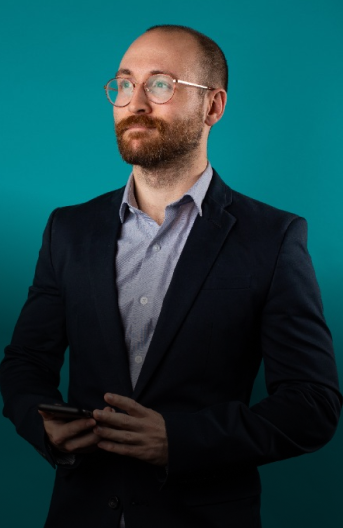
Today, the thread of Litrico’s legacy is carried forward by Luca Litrico, nephew of Angelo, who officially stepped into the Maison in 1991 and now leads the atelier with his wife Stefania. Under Luca’s guidance, Sartoria Litrico remains faithful to its artisanal roots—“100% Made in Italy,” bespoke tailoring, high-quality fabrics, and a deeply personal client relationship—but also adapts to the contemporary world. The atelier offers bespoke service at home in major cities (Rome, Milan, Venice) and internationally, blending heritage with 21st-century mobility.
Most recently, in 2025, the Maison was awarded the prestigious Premio Margutta for “Alta Moda Maschile” under Luca’s leadership—a testament not only to legacy but to ongoing relevance and excellence.
Thus, the story of Sartoria Litrico becomes one of continuity: from the golden twilight of the dolce vita through to today’s global bespoke world. The atelier remains a living monument to a style-led, craft-based vision of Italian elegance—one still seated in Rome, still measuring, cutting, and sewing for the men who move between scene, significance, and identity.
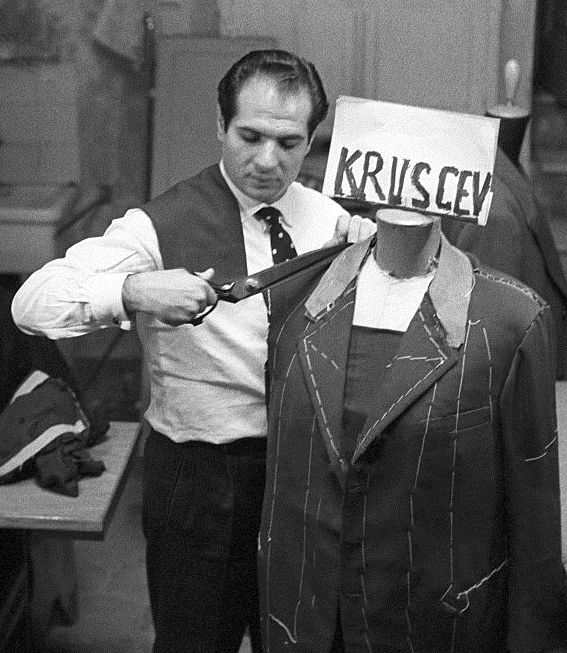
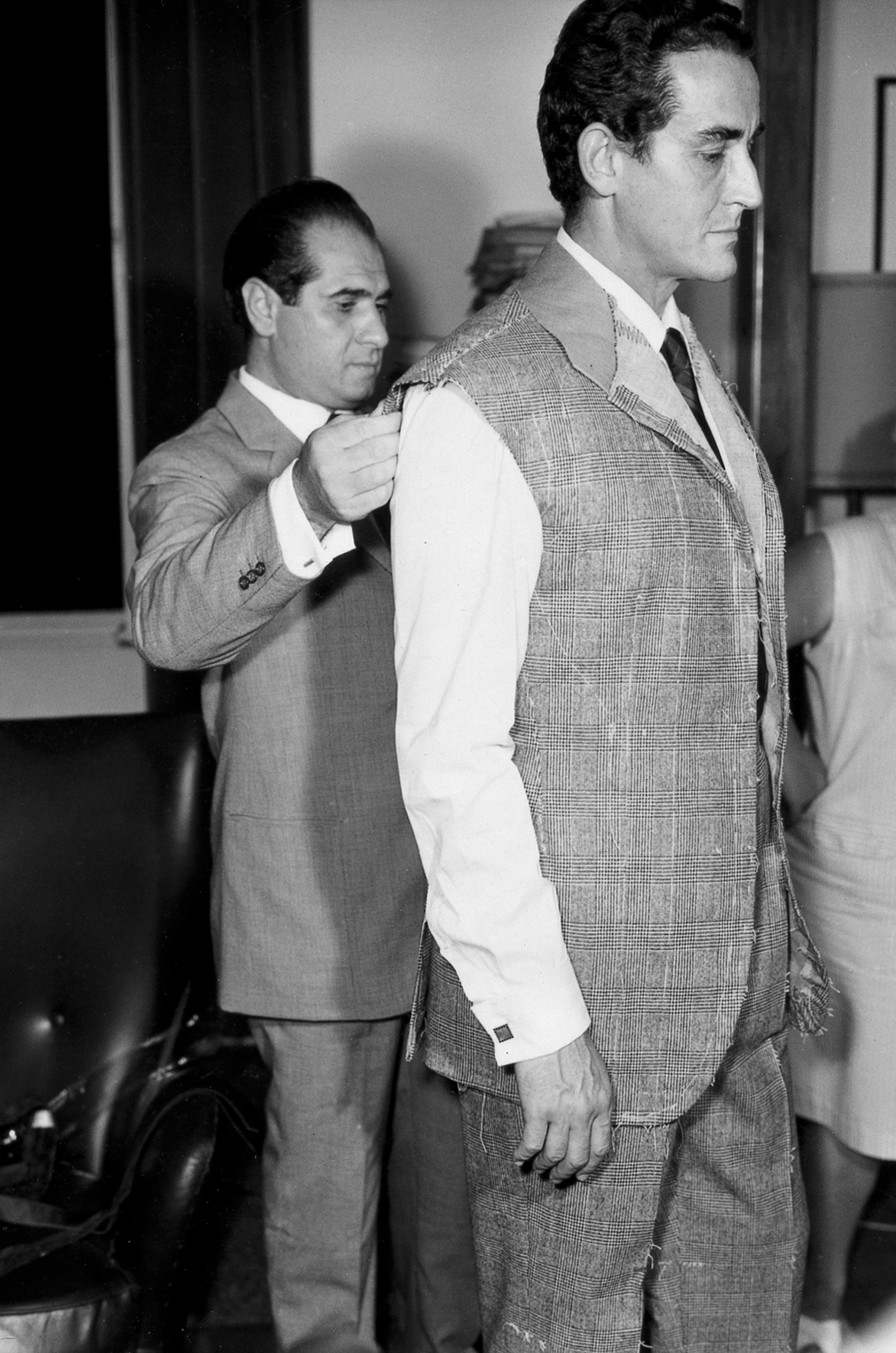

All images are Courtesy of the Sartoria Litrico Archive © – All rights reserved © SARTORIA LITRICO S.r.l. Società Benefit ®