






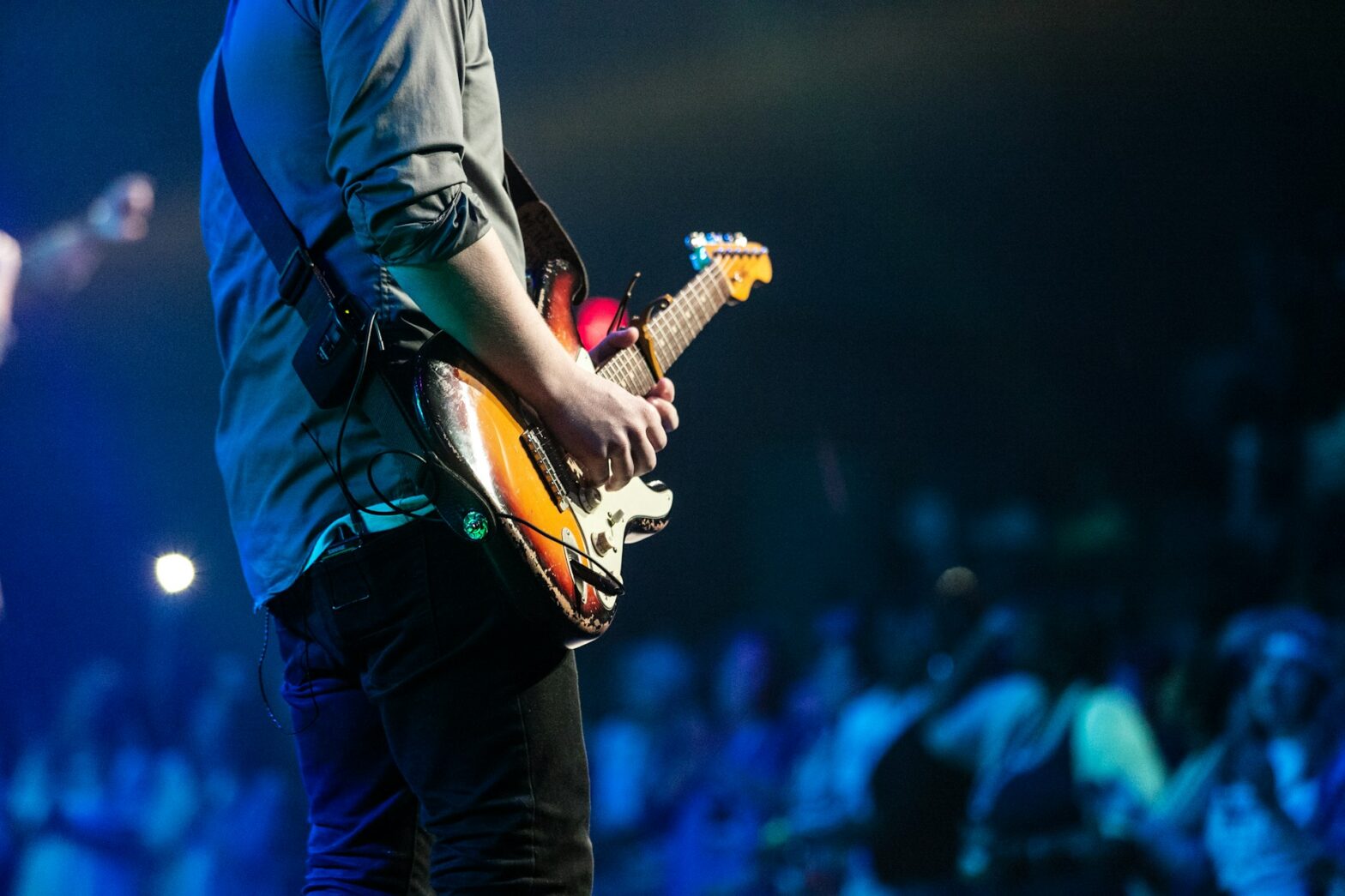
Any live performance depends not only on the performer and the instrument but also on the tools. The guitar amplifier is central to tone, energy, and projection. It is more sculptor than speaker, it is what moulds the presence, dynamics and personality of each note. Whether in small club performances or on big stages, the amp will be a clear companion, shaping how an audience listens to and experiences the music.
Crafting a Signature Tone
Each amplifier has a different voice. Some are smooth, rounded cleans; others are known for their biting distortion or sharp midrange growl. These are the tonal characteristics that are incorporated in the identity of a guitarist. Using the same amp across several gigs helps maintain consistency, despite varying venue conditions.
Tone controls can be used to do additional shaping. Bass, middle, and treble are fine-tuning the guitar position in the mix. Presence and gain settings allow the player to adapt to room acoustics or performance style without altering their technique.
Filling the Room with Confidence
An amplifier does not pass the sound; it amplifies it. This is most important in live performances where clarity and projection are needed. In the absence of a dependable amp, even the most expressive performance is likely to be lost in the background.
Stage volume plays a key role. Too low, and the guitar will be drowned by drums or vocals. Too high, and it dominates. A properly adjusted amp maintains the balance and lets the guitar cut through without making it sound too loud.
Supporting Dynamic Playing
Live music fluctuates. Songs shift to quiet verses to high-pitched choruses, to ambient sounds to riffs. A good amp is sensitive to such changes and maintains the nuance across all levels.
Tube amps, especially, are touch sensitive. They react to the impulse with which the strings are hit, and provide natural compression or disintegration where necessary. This dynamic reaction allows players to control tone with their fingers rather than their equipment.
Adapting to Different Venues
No two spaces sound alike. Some venues echo more than others. Some soak it up. One venue might require more gain or tighter EQ, while another might require a different gain setting.
A flexible guitar amplifier addresses these problems. Onboard settings enable the rapid switching of sets or songs. Some players use multiple channels to switch between clean and overdriven sounds without changing equipment. Built-in effects loops and pedal compatibility have also been added, increasing the sounds possible at the moment.
Enhancing Stage Presence
An amplifier is not just functional; it also enhances the visual and physical relationship between the player and the audience. It is also a stage identity in its size, positioning and appearance. Amping behind the guitar makes many guitarists feel more stable, and they use the amp as a monitor and a source of sonic stability.
In addition to aesthetics, the amp’s physical feedback, particularly at high volume or gain, may affect the guitar’s resonance and the musician’s response to their instrument. Such a physical reaction is incorporated into the performance, which promotes more expressive playing.
Keeping the Signal Strong
In a live set, signal clarity is essential. An underpowered amplifier may struggle at high levels or sound thin. Lead portions can be hard to hear, or riffs can be buried by poor tone. From the input jack to the speaker cone, a high-quality amplifier maintains integrity.
More headroom is a result of higher power, not always louder. This keeps the tone intact even during the most intense portions of the set by preventing distortion at higher volumes. The amplifier makes sure that the tone remains clear and focused, whether it is driving pure chords or distorted solos.
Simplifying Setup and Flow
Soundchecks and gear load-ins have time constraints. An amplifier that is simple to dial in, quick to set up, and dependable under duress can reduce stress and avert problems before they arise.
From gig to gig, some guitarists stick to the same amp and pedalboard setup. To reduce clutter, some use combination amplifiers with built-in effects. An amplifier that maintains simplicity while producing a rich, expressive sound is advantageous for both methods.
Empowering Creative Decisions
Spontaneity is usually exhibited in live performances. A musician can adjust the sound of a composition, extend a solo or respond to the level of enthusiasm. The amplifier must be able to support these choices unconditionally. These situations can be exploited as opportunities instead of threats with a sensitive amplifier. Musicians also can play with texture, form contrast, or incline to tone changes without losing their presence in the musical ambiance.
The Backbone of a Memorable Set
Seldom do audiences consider the amplifier to be the main attraction. However, it’s the engine that drives every note for those performing. During a live performance, a trustworthy guitar amplifier moulds not only music but also self-assurance, expression, and identity. The amplifier converts intention into music that fills the space, from delicate nuances to full-force drive. It enhances the overall experience for the player, the band, and everyone listening when it is carefully selected and applied.