





With World Earth Day approaching on 22nd April, the global conversation around sustainability will deepen once more. Yet the homes people live in, and increasingly invest in, are becoming one of the most powerful ways to reduce environmental impact while protecting long-term asset value. According to JLL, 76% of real estate investors say sustainability has influenced their investment decisions.
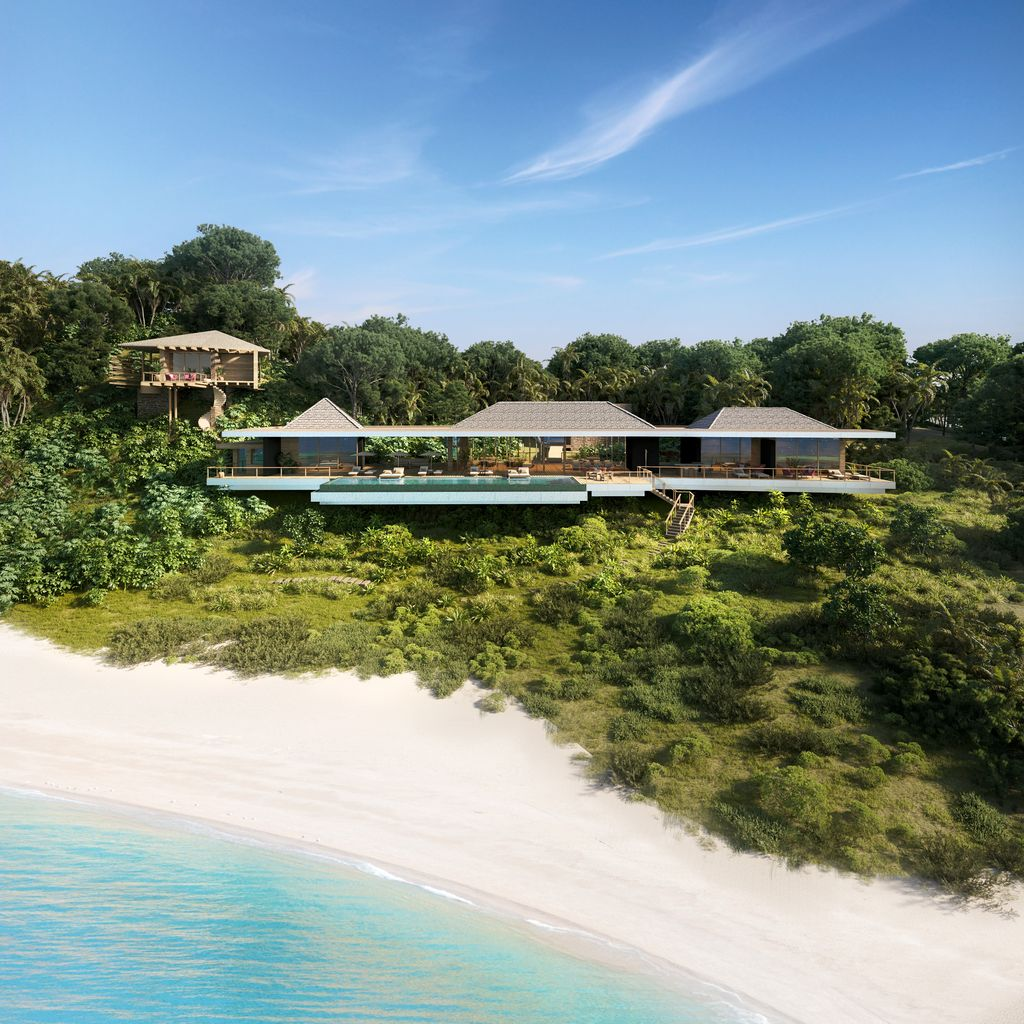
At Pearns Point in Antigua, a private community of 71 luxury beach and oceanfront homes, the shift towards sustainable living is already shaping buyer behaviour. Recently, the development has recorded a notable increase in demand for its eco-friendly properties, reflecting a wider trend of high-net-worth individuals prioritising sustainable assets within their investment portfolios.
Adam Gobat, Sales Director at Pearns Point, explains:
“The global objective for a more sustainable future is having an evident impact on the investment strategy of high-net-worth individuals which is inevitably redefining the luxury property landscape. Whilst developers have begun incorporating eco aspects into their design, we foresee this only intensifying over the coming years in order for homes to remain an attractive investment vehicle.
Compared to last year, we have registered more buyers who have made the eco-credentials of their properties a deciding factor. Whilst lifestyle buyers appreciate lower running costs, investors know that a sustainable property can generate higher rental returns amid a steady increase of eco-conscious travellers who favour accommodation with sustainable certification.”
To future-proof its homes, the Pearns Point development works closely with leading architectural firms, including London-based Studio RHE, renowned for designing innovative and energy-efficient residential properties around the world.
Richard Hywel Evans, Director at Studio RHE, explains how the project’s sustainable design began with a detailed analysis of the natural environment:
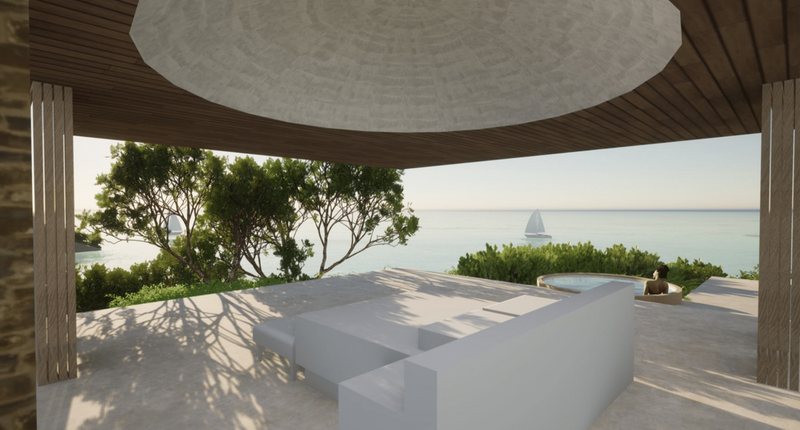
“When we first visited Pearns Point, we conducted a complete analysis of the site conditions to understand and harness the site’s natural attributes to decide on positioning. This includes a solar path analysis to study the sun at every part of the day to create shade in the house, reducing the need for cooling. We also decided to harness the trade winds as free energy using micro-generation wind turbines that send energy to central batteries, whilst chilled water can be pushed around the house from solar-driven pumps to provide water for heat pumps and AC cooling.
Lastly, to make use of freely available natural local materials, rainwater is collected and treated by coconut shells before being used to irrigate the surrounding flora.”
Buyers also have the option to equip their homes with solar heaters and battery storage systems, allowing properties to store energy for later use. This not only helps relieve pressure on government energy supplies during peak demand but also enables homes to remain self-sufficient during power outages.
Beyond the homes themselves, Pearns Point has taken steps to reduce the project’s overall carbon footprint by prioritising locally sourced materials such as shingles and stone that blend seamlessly with the natural landscape. The development has also prioritised local labour, creating hundreds of construction jobs for Antiguans throughout the build process.

As the world marks World Earth Day, Pearns Point offers a compelling example of how sustainability is reshaping the luxury property market, demonstrating that environmentally conscious design is no longer just a lifestyle preference, but an increasingly important driver of global real estate investment.
For more information, visit: www.pearnspoint.com