





Ordering made-to-measure curtains online provides the perfect solution to match your windows and personal style. However, three key decisions will determine whether you love or regret your purchase: the fabric you select, the lining you need, and the size you specify. The right combination of fabric weight, lining type, and accurate measurements will give you curtains that look professional, function properly, and last for years.
Many people feel uncertain about how to choose these options when they shop online instead of in a physical shop. You cannot touch the fabric or see the colors in your own light. Yet with the right knowledge, you can order custom curtains with confidence and achieve results that fit your windows perfectly.
This guide walks you through the most important factors to consider before you place your order. You will learn how to select the best fabric for your room, which lining options serve different purposes, and how to take measurements that result in curtains that hang beautifully. By the end, you will know exactly what to specify for curtains that meet your practical needs and aesthetic preferences.
Essential Considerations for Choosing Made-to-Measure Curtains
The success of your curtain order depends on four key decisions: fabric type, lining choice, accurate measurements, and material quality. Each factor affects both appearance and function in your space.
Selecting the Right Fabric Type
The fabric you select sets the tone for your entire room. Cotton remains popular because it drapes well and suits most interior styles. Linen provides a relaxed, natural look that works particularly well in living spaces and bedrooms.
Heavier fabrics like velvet provide better insulation and light control. These materials also add a sense of luxury to formal rooms. However, they require more effort to clean and maintain than lighter options.
Consider how much sunlight enters your room each day. Synthetic blends resist fading better than natural fibers in bright spaces. They also tend to cost less and clean more easily.
The room’s purpose matters too. Moisture-resistant fabrics suit bathrooms and kitchens better than delicate materials. For example, a made-to-measure curtains supplier from UK, as well as providers in the US and Canada, may provide fabric samples so you can check the texture and color in your own space before making a decision.
Weight affects how curtains hang and move. Light fabrics create soft folds, whilst heavy materials form more structured pleats. Test the drape quality before you place a large order.
Understanding Curtain Lining Options
Lining transforms how your curtains perform beyond their decorative role. Standard cotton lining adds body to thin fabrics and protects them from sun damage. This basic option extends the life of your curtains without adding much cost.
Blackout lining blocks nearly all light from outside. Bedrooms benefit most from this option, particularly if you work night shifts or live on a busy street. The extra layer also reduces noise levels and improves temperature control.
Thermal lining helps lower energy bills by keeping heat inside during the winter months. The insulation works both ways, so rooms stay cooler in summer, too. This option makes sense for large windows or poorly insulated homes.
Interlining sits between the face fabric and lining to create a premium finish. It adds weight, improves drape, and provides superior insulation. Professional results justify the higher cost for formal rooms or period properties.
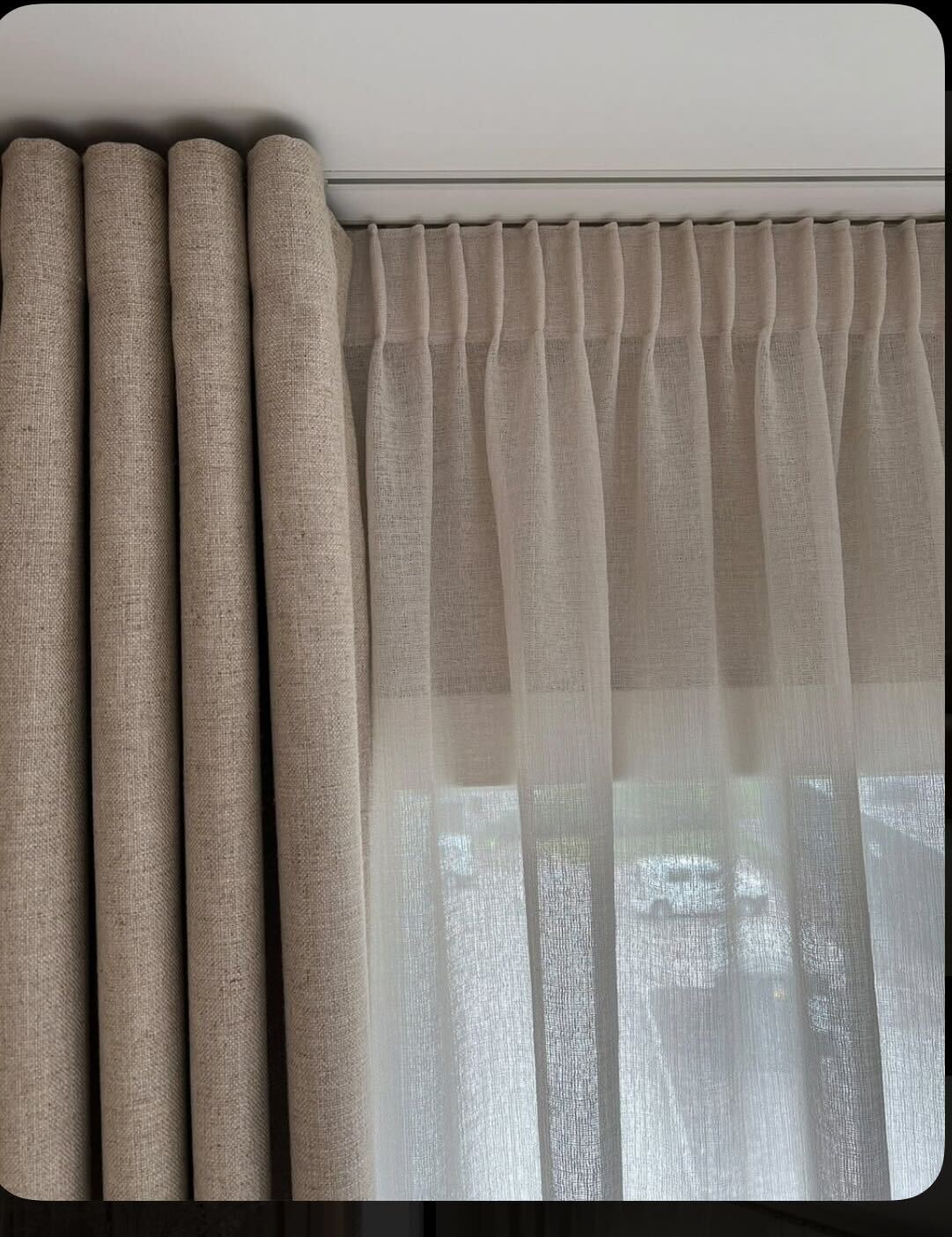
Some fabrics need lining to prevent transparency. Sheer or lightweight materials show everything behind them without a backing layer. Check samples in different light conditions to avoid surprises.
Determining the Correct Curtain Size
Accurate measurements prevent costly mistakes with bespoke orders. Measure the width of your window frame first, then decide how much fullness you want. Most curtains look best at 1.5 to 2.5 times the width of the window.
The drop measurement runs from the curtain pole or track down to your desired length. Floor-length curtains should stop about 1 cm above the ground to avoid damage and allow easy opening. Sill-length curtains finish just below the window ledge.
Add extra length if you want curtains to puddle on the floor for a dramatic effect. This style suits formal spaces but collects dust more readily than standard lengths. Measure three separate points across your window because walls and floors are rarely perfectly level.
Consider the position of radiators and furniture below windows. Curtains need to clear these obstacles whilst still providing adequate coverage. Account for pattern repeats on printed fabrics, too, as this affects the total meterage required.
Double-check all measurements before you place your order. Most suppliers cannot accept returns on bespoke items. Write down each measurement and verify it a second time to avoid errors.
Assessing Durability and Maintenance
Quality construction methods affect how long your curtains last. Check if seams are double-stitched or overlocked to prevent fraying. Neat hems and secure header tape indicate better workmanship overall.
Fabric quality varies widely even within the same material type. Higher thread counts usually mean stronger, longer-lasting curtains. Ask about fabric weight and composition to gauge durability.
Maintenance requirements differ by material. Machine-washable fabrics save money on professional cleaning but may shrink or fade over time. Dry-clean-only options maintain their appearance better but add ongoing costs.
Colorfast fabrics resist fading from sunlight and washing. Test a small area before you clean the entire curtain, especially with dark or bright colours. Some materials need specialist care to preserve their texture and finish.
Think about pets and children in your home. Tough fabrics like polyester blends withstand more wear than delicate silks or linens. Removable, washable linings also help maintain hygiene in busy households.
Customising Your Online Curtain Order
Online curtain orders provide several ways to personalise the final product. You can select colors and patterns that match your room, pick the right heading style for your window type, and choose linings that control light and privacy levels.
Choosing Colours and Patterns
The colour you select affects how your room feels and looks. Light colors like cream or pale blue make small rooms appear larger and brighter. Dark colors such as navy or charcoal create a cosy atmosphere in bigger spaces.
Patterns serve different purposes in different rooms. Bold patterns work well as focal points in plain rooms. Subtle patterns or solid colours suit rooms that already have busy wallpaper or furniture. Stripe patterns can make low ceilings look higher if you hang the curtains vertically.
You should order fabric samples before you commit to a full order. Screen colours don’t always match the actual fabric. Samples let you see how the material looks in your room’s natural light at different times of day.
Consider how the curtain colour pairs with your existing furniture and walls. Complementary colours sit opposite each other on the color wheel and create contrast. Analogous colours sit next to each other and produce a calm, unified look.
Deciding on Heading Styles
The heading style affects how your curtains hang and pleat. Pencil pleat headings create tight, uniform folds and work with most curtain tracks and poles. These headings suit traditional and modern rooms equally well.
Eyelet headings thread directly onto the pole and form deep, even waves. This style looks contemporary and slides smoothly for daily use. Tab top headings create a casual look but don’t close as tightly as other options.
Pinch pleat headings produce tailored, sophisticated folds. You can choose double or triple pleats based on how formal you want the curtains to look. Goblet pleats provide a more structured appearance for formal spaces.
Your choice depends on your pole or track type. Some headings require specific hardware to function properly. The heading also affects how much fabric you need, as fuller styles require more material.
Factoring in Light and Privacy Needs
Lining options control how much light enters your room and how much privacy you have. Blackout linings block almost all light and help you sleep better in bedrooms. These linings also improve insulation and reduce outside noise.
Thermal linings keep rooms warmer in winter and cooler in summer. They’re thicker than standard linings but don’t block as much light as blackout options. Standard cotton linings protect your curtain fabric from sun damage and add body to the drapes.
Sheer or voile curtains filter light whilst still providing daytime privacy. However, they don’t provide much privacy at night once you turn your lights on. You might need layered curtains if you want both filtered light during the day and full privacy at night.
Think about which direction your windows face. South-facing windows get more direct sunlight and might need heavier linings to prevent fading. North-facing windows receive less light, so lighter linings often work better.
Conclusion
You now have the key information to order made-to-measure curtains online with confidence. The right fabric choice depends on your room’s needs, whilst proper lining selection affects both function and appearance. Accurate measurements are non-negotiable for a perfect fit.
Take your time to review fabric samples, consider how much light control you need, and double-check your measurements before you place an order. Made-to-measure curtains provide a tailored solution that transforms your space into exactly what you want it to be.