




A table that looks pulled together doesn’t need a professional stylist or a closet full of specialty pieces. It needs a handful of decisions made in the right order: color first, then texture, then the small details that signal someone thought about the meal before the guests arrived. Once that sequence is set, it works for a Tuesday dinner or a holiday table alike.
Start With a Color Story
Every strong table setting begins with a color decision, not a shopping list. Pick two or three tones that already exist somewhere in your kitchen or dining room, whether that’s a wall color, a favorite serving bowl, or the season itself. That keeps the table from feeling like a disconnected collection of pretty things.
Neutral bases are the easiest starting point for anyone new to this. A white or linen-toned tablecloth lets you introduce color through smaller pieces, which also means you can shift the whole mood of the table by swapping out just one or two items rather than buying new everything.
Choose a Base Layer
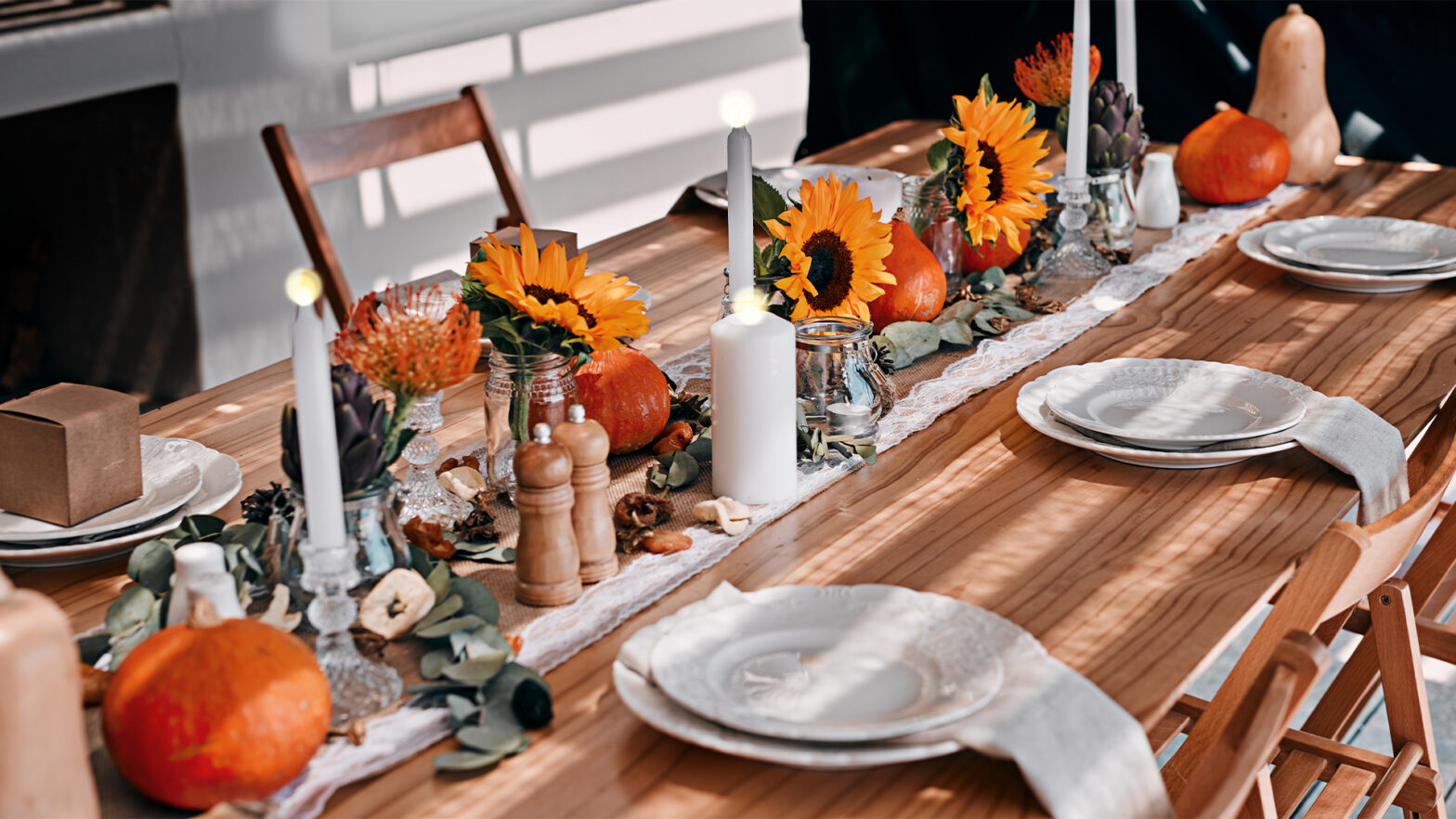
The base layer sets the tone before a single plate goes down. A tablecloth reads more formal and hides an imperfect table surface, while a runner on a bare wood table feels more relaxed and shows off the material underneath. Placemats split the difference and work well for everyday use since they’re easier to wash after a weeknight dinner.
Whichever base you choose, keep the rest of the setting visually lighter than it. A heavily patterned tablecloth paired with patterned napkins and a busy centerpiece will fight itself for attention, and the eye won’t know where to land first.
Layer in Texture and Pattern
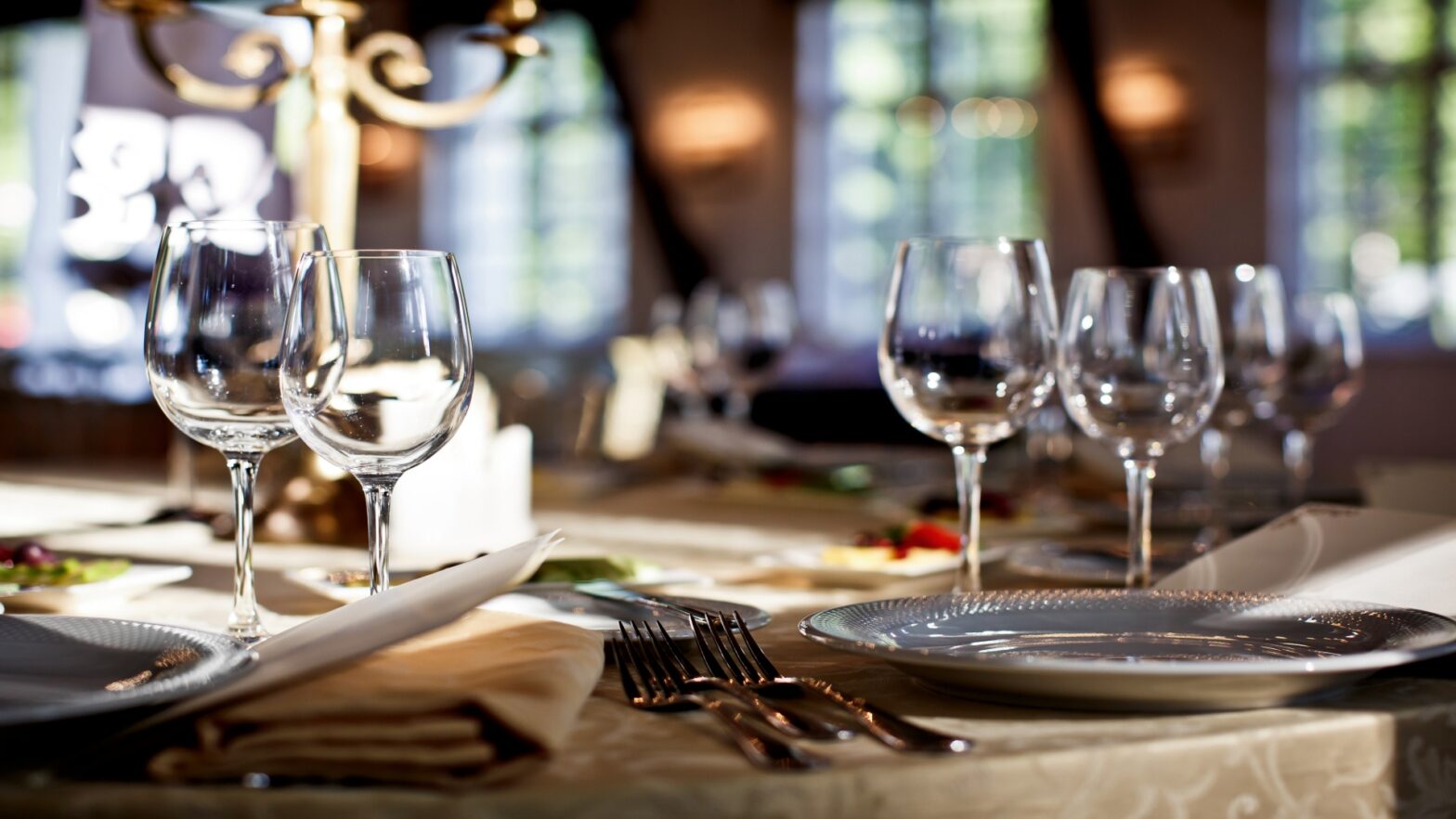
This is where the table starts to feel styled rather than just set. Texture separates a table that looks flat in photos from one with real visual depth: a woven placemat under smooth dinnerware, a slightly nubby runner against a glossy glass, linen napkins next to polished flatware.
Napkins do more styling work than most people credit them for, mostly because they sit right at eye level and touch nearly every other element on the table. A set of decorative paper napkins is one of the lowest-effort ways to introduce a seasonal color or pattern without committing to a full linen wardrobe, and because they’re disposable, they’re also one of the easiest places to experiment before you decide a look is worth repeating.
Fold napkins simply rather than elaborately unless the occasion calls for it. A clean rectangle or a loose roll tied with a ribbon reads as intentional; an overly complicated fold can look fussy on a table that’s otherwise fairly relaxed.
Dinnerware and Glassware Pairings
Mixing dinnerware patterns is a forgiving trend in table styling, but it still benefits from one rule of thumb: keep one element consistent across every place setting, whether that’s the plate shape, rim color, or glassware style, so the mix reads as a choice rather than a mismatch.
Stacking plates in two or three sizes adds height and signals a multi-course meal even when it’s just one dish served family-style. Glassware should scale with the formality of the meal: stemmed glasses for wine, shorter tumblers for water or casual drinks, and a specialty glass only when it’s actually going to be used.
Centerpieces That Don’t Get in the Way
A centerpiece’s job is to anchor the table, not dominate the conversation across it. Keep arrangements low enough that guests can see each other without leaning around a vase, or use a few smaller groupings along the table instead of one tall piece in the middle.
Flowers are the obvious choice, but they’re not the only one. A row of candles at varying heights, a cluster of seasonal fruit in a shallow bowl, or a line of small potted herbs can do the same visual job for less money and less maintenance during the meal.
Small Details That Make It Feel Finished
Place cards, a folded menu, or a small favor at each setting are easy to skip, but they’re also what makes a table feel designed for the specific people sitting at it rather than assembled from whatever was on hand. None of these need to be elaborate; a handwritten name on a simple card does the job.
Lighting matters more than most hosts plan for. Overhead lights flatten a table that otherwise looks great, so dimming them and relying on candlelight or warm lamp light does more for the mood than almost any other change. For guidance on how formal versus casual settings traditionally differ, the Emily Post Institute’s table setting guides are a useful reference point when you want to double-check the basics.
Adjusting the Formula for the Occasion
The same core steps scale up or down depending on what you’re hosting. A casual weekend brunch calls for a lighter touch: simple placemats, mismatched but complementary mugs, and napkins that can handle syrup without much fuss. A holiday dinner can support more layering: a tablecloth, a runner on top of it, stacked plates, and a fuller centerpiece, since guests expect the table to feel like part of the occasion.
Outdoor gatherings bring their own considerations. Weighted napkin rings or a simple knot keep napkins from blowing away, and sturdier dinnerware makes sense if the table is doing double duty on a patio or picnic table.
Keep It Repeatable
The easiest way to get consistently good results is to build a small rotation of pieces you already like and trust rather than starting from scratch for every occasion. A neutral base, a couple of napkin options in different colors, and one or two centerpiece ideas will cover most of what comes up over a year, and you can always add one new element at a time once you know it earns its place at the table.