






Does your small bedroom feel more like a cluttered storage cupboard than the restful retreat you deserve? You’re not alone.
Your bedroom should be your own personal sanctuary. A space where you can unwind from the day and wake up refreshed. Whilst many of us dream of spacious sleeping quarters, the reality is that compact bedrooms are incredibly common in British homes. The good news? With clever design choices, even the smallest bedrooms can feel surprisingly spacious, stylish and beautifully functional.
Smart planning makes all the difference when it comes to small bedroom layouts. Those awkward gaps between furniture and walls? They’re stealing precious space in compact rooms. Light, airy colour palettes can work wonders to create the illusion of space. Strategic storage solutions like under-bed boxes, floating shelves, and multipurpose furniture help keep clutter at bay.
You don’t need to settle for a cramped, stuffy sleeping space. Whether you’re working with a tiny box room or simply a modestly-sized bedroom, there are endless possibilities to explore. From layout strategies that maximise every inch to storage solutions that actually work, these expert tips will help you create the spacious, organised bedroom you’ve been dreaming of.
Start with a Smart Layout Plan
The secret to any brilliant small bedroom design? It all starts with a thoughtful layout plan. Small spaces push us to think creatively beyond standard solutions. How you arrange your furniture and use every available inch can truly transform a cramped room into a comfortable retreat.
Measure your space and plan zones
Before you rush out to buy furniture or make any design decisions, grab a tape measure. Take precise measurements of your bedroom—width and length at three different points (top, middle, bottom) to account for any wall irregularities. Don’t forget to note where your windows, radiators, light switches, and other fixed elements sit, as these will affect your layout options.
Once you’ve got accurate measurements, think about dividing your bedroom into functional zones:
- Sleeping zone: Your bed doesn’t always need to sit bang in the centre of the room! Positioning it against one wall rather than jutting into the middle frees up valuable floor space for other essentials.
- Storage zone: Designate specific areas for your wardrobes and storage solutions.
- Dressing zone: If space allows, create a dedicated area for getting ready.
- Relaxation zone: See if you can squeeze in a small chair or reading nook.
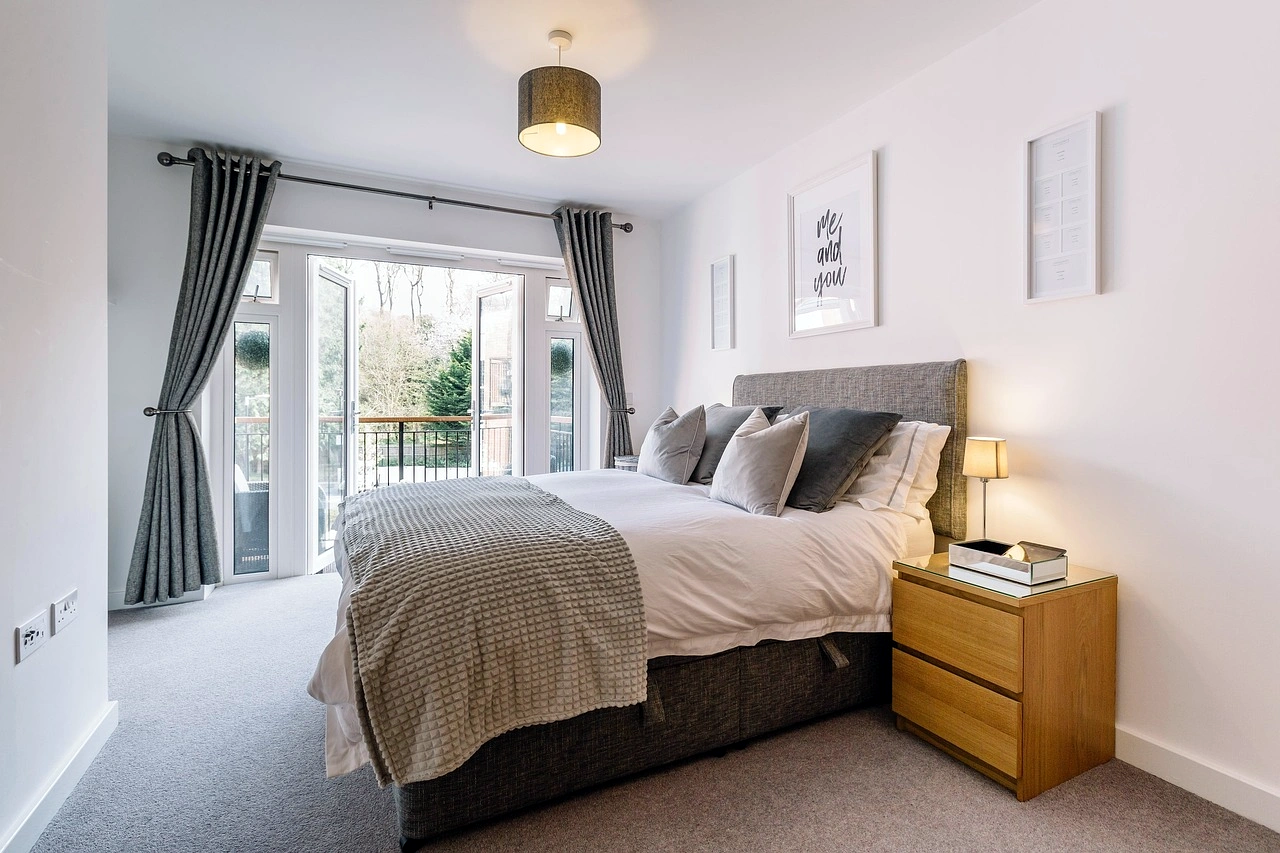
Working with a particularly small bedroom (around 10’x11′)? Place your full or small double bed along the longest wall and opt for compact nightstands. Got an unusual room shape? Work with it rather than fighting against it. Square rooms make symmetry easy—typically with the bed positioned against the wall opposite your door.
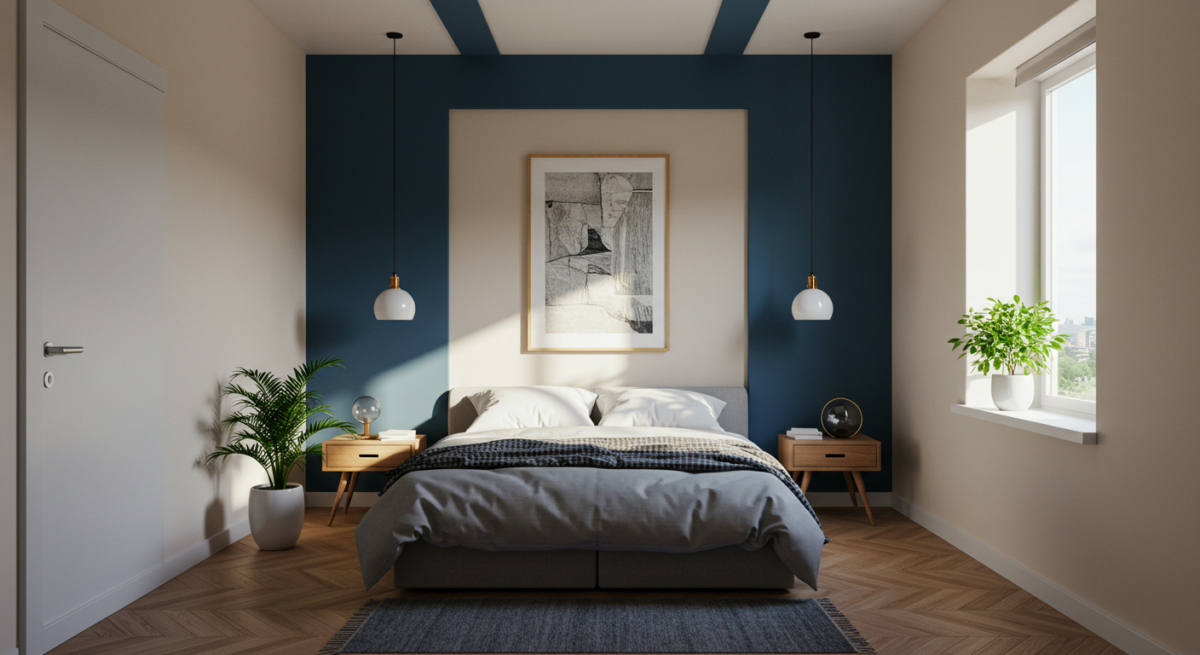
Image credit Bedstar: Small bedroom decor
Avoid blocking sightlines
Here’s something many people overlook when planning small bedroom layouts: maintaining clear visual flow. High-contrast colours or busy patterns that interrupt sightlines can make your space feel disjointed, like the walls are closing in. Focus on creating unobstructed views right across the room.
Choose sleeker furniture styles that leave plenty of space around them exposed. This allows light and sight lines to flow freely, making your floor area feel expansive and continuous to all four corners. Steer clear of large, boxy pieces that absorb light and dominate your room.
When positioning furniture, never block your windows. Keep those attractive curved window tops visible—natural light is precious in compact spaces. Leave at least two feet of walking space around your bed and keep natural pathways clear, especially routes to your bathroom.
Use sliding or pocket doors
Traditional hinged doors need significant floor clearance—typically 800-1000mm—to swing open, which wastes valuable space in small bedrooms. Sliding or pocket doors offer a brilliant solution to this problem.
Sliding doors move along tracks rather than swinging into your room, completely changing how you can use your living space. They allow you to place furniture in spots that would be impractical with traditional doors. Pocket doors take this concept even further by disappearing completely into a wall cavity when opened.
The benefits of installing pocket or sliding doors include:
·Maximising usable floor space by eliminating door swing arcs
·Creating approximately ten square feet of additional usable space
·Allowing furniture placement closer to doors and walls
·Providing a cleaner, more streamlined look
For bedrooms with en-suite bathrooms, pocket doors prove particularly valuable as they create seamless connections between spaces without requiring additional clearance. Even on a tight budget, this relatively minor change can dramatically impact how spacious your bedroom feels.
Start with a well-planned layout that considers measurements, sightlines, and space-saving doors. You’ll create a strong foundation for your small bedroom design that makes the most of every available inch.
Built-In Storage That Actually Works
Built-in storage solutions can completely transform your small bedroom. Unlike freestanding furniture that leaves awkward gaps and wasted space, custom-fitted options make the most of every single millimetre. Those underutilised corners and tricky spaces? They’re about to become your best storage friends.
Fitted wardrobes and alcove shelves worth shouting about
Traditional freestanding wardrobes are space-wasters in compact bedrooms. All those gaps above and to the sides? That’s precious storage going unused. Fitted wardrobes extend from floor to ceiling and wall to wall, maximising every inch of available storage. You’ll get up to 40% more storage space than other fitted options and twice as much as ordinary freestanding wardrobes.
Period properties with their quirky alcoves and original features can be particularly tricky. As Megan Baker, Head of Design at MyFittedBedroom.com, explains: “It’s often difficult to fit freestanding furniture around the sought-after original features of period properties and the result can feel cluttered and mismatched. Built-in furniture, on the other hand, can be designed to work around any shape and size of alcove – meaning original fireplaces and original features can stay put”.
Those alcoves beside chimney breasts are perfect opportunities for custom shelving. Transform these often-overlooked spaces with bespoke shelving designed exactly for your needs. For deeper alcoves, add a hanging rail to create a stylish wardrobe space – or if you’re renting, try a tension rod for a temporary solution.
Window seat storage that’s both beautiful and clever
Bay or bow windows offer brilliant storage opportunities that most people miss. Rather than placing an armchair that blocks precious window light, consider a custom storage bench. These bespoke window seats follow the exact curve or angle of your bay, creating a truly built-in appearance with no wasted gaps.
Storage benches work wonderfully with either lift-up lids or smooth pull-out drawers, giving you ample space for:
·Extra bedding and pillows
·Seasonal clothing
·Books and magazines
·Games and toys
Professional front-frame designs can provide up to twice the storage space of standard box designs. You’ll get comfortable seating, hidden storage, and a decorative element that enhances both light and space in your bedroom.
Built-in headboards with integrated storage
Built-in headboards with storage represent some of the cleverest space-saving solutions around. As the designer of BRIMNES headboard puts it: “Living in a small space often presents big demands for smart storage. That’s what we wanted to solve by creating BRIMNES – a series of functional bedroom furniture with storage in every piece”.
These storage headboards eliminate the need for traditional bedside tables, freeing up valuable floor space whilst keeping essentials within arm’s reach. Choose from:
·Open storage compartments for frequently used items and decorative touches
·Hidden storage for a sleeker, decluttered appearance
·Adjustable shelves that adapt as your needs change
·Integrated cable management for lamps and chargers
Some designs go further with built-in lighting, flip-down desk surfaces, and dedicated charging stations. “The built-in nightstands house a drawer where we keep our books, tissues, and all the normal things that people have next to the bed, and also a flip-up small compartment on the top where we can plug in our phones and charge them for the night,” explains designer Todd Raymond.
For particularly compact spaces, a custom-designed headboard spanning the entire bedroom width can ground your bed whilst creating both open and closed storage. This seamless integration maximises functionality and creates a cohesive, uncluttered look that makes your small bedroom feel surprisingly spacious and serene.
Make the most of vertical and overlooked spaces
Why let all that valuable wall space go to waste? Looking upward reveals brilliant storage opportunities that most people completely overlook. Vertical space offers incredible potential for keeping your room organised without sacrificing precious floor area.
Add shelves above radiators or doors
That empty wall space above your radiator? It’s begging to be useful. Installing a shelf above your radiator serves multiple clever purposes. A well-positioned shelf can redirect rising heat back into your room rather than letting it escape up the walls. Position your shelf approximately 15cm (6 inches) above the radiator for optimal heat circulation.
Use ottoman beds or storage benches
Ottoman beds are absolute game-changers for small bedroom storage. Unlike traditional beds with drawers that use only a portion of the under-bed area, ottoman designs utilise the entire space beneath your mattress. Most feature hydraulic systems that safely lift the mattress and hold it open whilst you access the storage underneath.
Want even more convenience? Electric ottoman beds open with a wireless remote control—some even include a built-in torch function for easy access in darker moments. This generous hidden storage area works perfectly for:
·Additional bedding and towels
·Seasonal clothing
·Winter or summer wardrobe items
If an ottoman bed stretches your budget too far, consider a storage bench at the foot of your bed instead. These clever pieces provide seating for getting dressed whilst offering hidden storage for extra pillows, blankets, or clothing. You can choose between hinged lids or smooth-gliding drawers, depending on what works best for your space.
Pick folding or stackable chairs
Think of folding chairs as your bedroom’s helpful friend—there when you need them, invisible when you don’t. These practical pieces solve your occasional seating needs without permanently claiming valuable floor space.
Their lightweight, collapsible design means you can easily tuck them away between uses. Some models even feature wall-mounting holes, so you can hang them completely out of sight. The beauty of folding chairs? They work just as well in other rooms—kitchens, living spaces, or outdoors. Available in wood, plastic, and various other materials, you’ll find options to suit virtually any bedroom style.
Stackable chairs offer another space-smart alternative. With modern designs available in countless colours and materials—from polypropylene to transparent polycarbonate—they blend seamlessly into contemporary bedroom schemes.
Try multifunctional bedside tables
Bedside tables might seem like simple pieces, but they’re actually unsung heroes in small bedrooms. They keep your essentials within arm’s reach whilst adding extra functionality to your space.
If you simply need somewhere to place your phone overnight, a small bedside drawer might suffice. But if you want space for lamps, plants, or decorative touches, look for tables with generous surface areas and storage beneath.
Here are some clever multifunctional options worth considering:
Bedside cabinets with doors or drawers maintain tidy surfaces whilst providing hidden storage for books and charging cables. Locker-style units bring industrial charm while hiding adjustable shelves and useful hooks inside.
For something truly innovative, try combination stool-magazine racks that offer both seating and literature storage. Tables with built-in charging stations keep your technology powered yet neatly tucked away.
Round bedside tables often work brilliantly in awkward spaces, with sleek concealed doors revealing inner shelves—perfect if you’re embracing minimalist principles. For extremely tight spots, super-slim or narrow designs squeeze into the gap between your bed and wall whilst still offering storage.
Choose furniture that multitasks, and you’ll maximise every centimetre of your small bedroom without compromising on style or comfort.
Let in as much light as possible
Natural light works magic in small bedrooms. It instantly makes cramped spaces feel airier and surprisingly spacious. The secret? Maximising every ray of light that enters your compact sleeping quarters can completely change how your room feels—without any structural work required.
Use sheer curtains or blinds
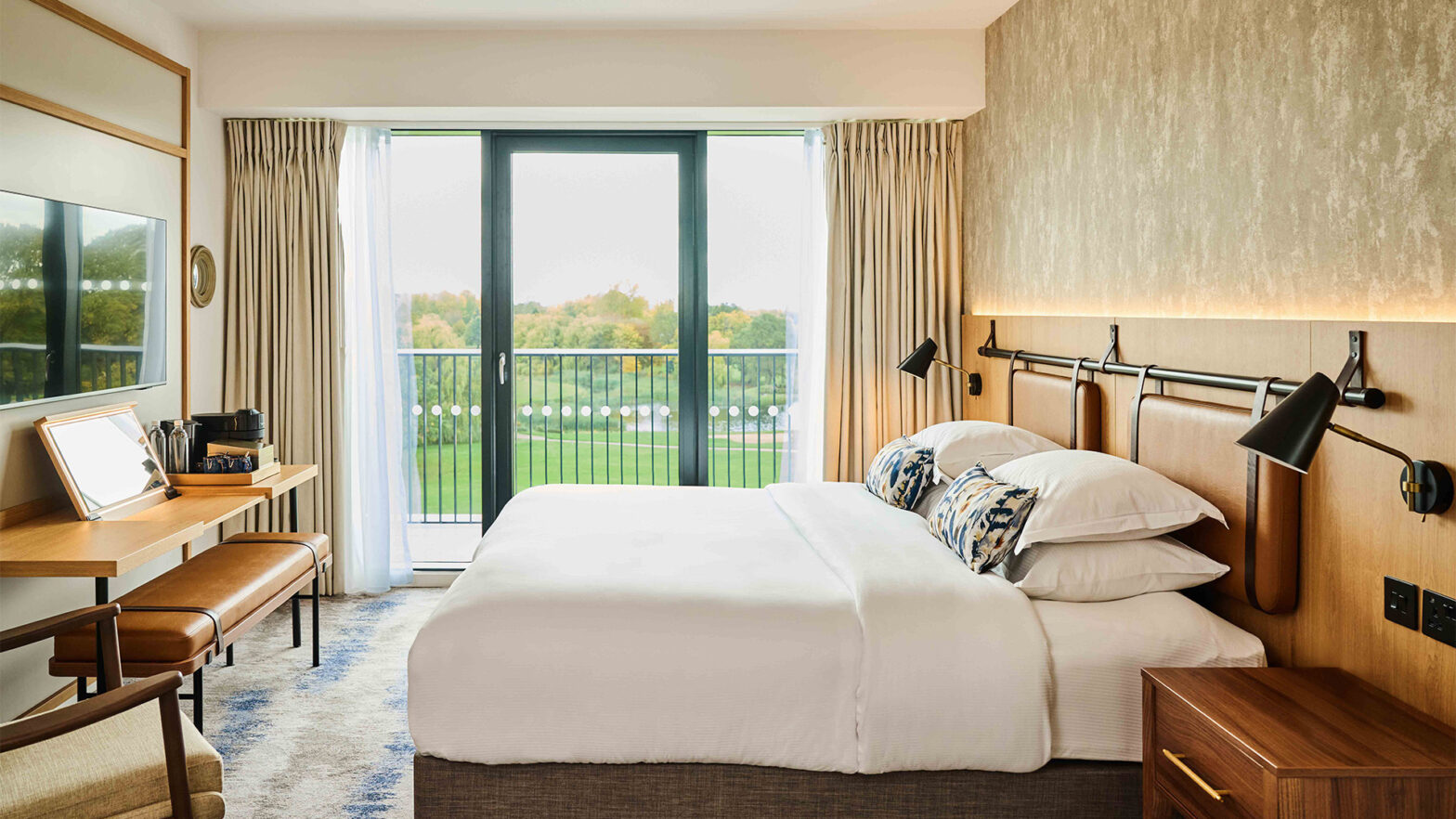
Your choice of window treatments can make or break the brightness in your small bedroom. Sheer curtains and lightweight voiles are absolute game-changers—they allow sunlight to filter gently through whilst keeping your privacy intact. These translucent fabrics diffuse harsh sunlight, creating a soft, flattering glow throughout your room.
Voile panels (sometimes called net curtains) work brilliantly as privacy screens during daylight hours whilst preserving that light, airy atmosphere you’re after. They also help protect your furniture, carpets and houseplants from sun damage.
Want the best of both worlds? Layer your window treatments:
“Combining transparent curtains with thicker, darker and/or higher-weight curtains makes for a versatile, balanced window treatment in the living room, bedroom or any room in the home”.
This clever approach lets you adjust light levels throughout the day—pull back heavier curtains whilst leaving sheers in place for filtered daylight, or close everything for complete darkness when you need proper sleep.
Avoid blocking windows with furniture
How you arrange furniture around windows makes a huge difference to natural light levels in your compact bedroom. The position of your bed and other pieces affects not just how your room looks, but how bright and welcoming it feels.
Keep windows completely clear whenever possible to let maximum natural light flood into your bedroom. This means avoiding tall or bulky pieces directly in front of light sources. Interior expert Ethan Fox puts it perfectly: “Avoid placing any tall and bulky furniture pieces in areas obstructing natural light sources, like in front of windows or entryways”.
Sometimes space constraints mean furniture has to go near windows—choose low-profile pieces when this happens. Beds or seating in front of windows work best with sleek, minimal headboards or backs. This way, plenty of light can still stream in above your furniture.
If furniture must sit near windows, make sure it doesn’t extend above the windowsill by more than a few inches. Placing items too high creates unwanted shadows and blocks precious daylight. Remember, furniture blocking windows reduces energy efficiency by limiting natural light, which means you’ll rely more on artificial lighting.
Add mirrors to reflect natural light
Mirrors are your secret weapon for amplifying natural light in compact bedrooms. A well-placed mirror effectively doubles the light in your space whilst creating an illusion of depth that makes everything feel substantially larger.
Position a large mirror opposite or adjacent to your bedroom window to bounce daylight back into the room. This technique captures whatever natural light is available, regardless of weather outside. As interior expert Todd Saunders explains: “If you hang a mirror across from a window, it will reflect natural light back into the space”.
Try these mirror placement ideas for maximum impact:
Positioning a mirror next to or opposite a window reflects both natural light and potentially beautiful outdoor views. Whilst you might naturally think of hanging mirrors vertically, turning a long mirror horizontally creates a wider reflection, capturing more landscape-style views.
Bedside mirrors work wonderfully for both practical and light-enhancing purposes. Place mirrors behind bedside lamps to reflect their light further, creating soft ambient illumination in the evenings. A pair of mirrors behind nightstands creates pleasing symmetry whilst maximising light reflection.
With thoughtful window treatments, smart furniture placement and strategic mirror positioning, you can transform even the darkest small bedroom into a bright, welcoming retreat that feels considerably more spacious than it actually is.
Play with Colour and Texture
Why should colour choice matter so much in a small bedroom? The colours and textures you choose can work absolute magic in compact spaces, creating the illusion of space or a cosy cocoon—it all depends on how you use them.
Use light colours to open up space
Light colours are your best friend when it comes to making small bedrooms feel more spacious. Colours that reflect light—such as white, light grey or cream—effectively bounce available light around your room, creating that airy, open feeling you’re after.
Don’t think you need to stick to stark white walls, though. There are plenty of gorgeous muted shades that can make your space feel larger whilst adding sophistication. Stone or beige tones paired with crisp white bedding create a fresh, hotel-like appearance. Soft greens, pinks and yellows work beautifully too, as they reflect light just as effectively.
The magic happens because light colours reflect rather than absorb light. This reflection allows light to bounce off surfaces and travel throughout your room, instantly making any space feel more open. For maximum impact, consider Dulux Light + Space Matt paint, which reflects twice as much light compared to standard paint.
Try colour drenching for a cosy feel
Have you heard of colour drenching? This technique involves painting everything—walls, woodwork, ceiling, radiators, even furniture—in the same shade. Whilst it might sound overwhelming, it creates a beautifully cohesive look that can work wonders in small spaces.
Using a light or mid-tone shade across your entire room helps blur the boundaries between walls and ceiling, making the space feel bigger and airier. This works particularly well in awkward-shaped rooms or narrow spaces.
Alternatively, embracing darker tones for colour drenching creates a cosy, enveloping atmosphere. This approach works brilliantly in bedrooms used primarily for evening relaxation, creating an intimate retreat that invites you to unwind. The technique eliminates visual interruptions and can surprisingly make small spaces appear larger.
Keep It Tidy and Personalised
Your small bedroom won’t feel like the restful retreat you deserve if it’s cluttered with random belongings. Maintaining an organised space is just as important as getting the layout right. A cluttered bedroom raises stress levels, makes relaxation impossible, and diminishes your ability to focus. An organised room isn’t just visually appealing—it’s essential for your wellbeing.
Declutter regularly
Establish a simple five-minute daily reset routine that becomes second nature. Each morning after getting ready, make your bed and put away anything that’s out of place. Before bedtime, remove items that don’t belong in your bedroom—think mugs, dirty laundry, or work papers—and return everything else to its proper home. This simple habit prevents clutter from building up without requiring marathon cleaning sessions.
Use hidden storage for essentials
Smart storage means organising items by type rather than throwing everything together in a jumble. Use attractive trays as drawer dividers for your grooming supplies. Zippered totes tucked under beds work brilliantly for storing seasonal items. Ottoman beds provide substantial hidden space—perfect for spare bedding, seasonal clothing, and accessories. Some even include wireless remote controls with built-in torch functions for easy nighttime access.
Add personal touches without overcrowding
Keep your bedside table free from clutter—only items related to sleep or with genuine practical purpose should remain. Transform meaningful possessions like jewellery into decorative elements using screens or frames. This approach celebrates your personality without overwhelming your space, creating a bedroom that feels both personal and peaceful.
Your small bedroom can be both beautifully organised and distinctly yours. The key is choosing what truly deserves a place in your personal sanctuary.
Create your perfect bedroom sanctuary
Your small bedroom doesn’t need to feel cramped or cluttered. With smart planning and thoughtful design choices, even the tiniest spaces can become beautiful, functional retreats that feel surprisingly spacious.
Remember to start with a clever layout that maximises every inch. Built-in storage solutions and vertical thinking help you discover space you never knew existed. Choose furniture that works harder from ottoman beds to folding chairs—so every piece earns its place in your room.
Light makes all the difference in compact spaces. Whether it’s natural daylight streaming through sheer curtains or carefully layered artificial lighting, the right illumination can completely transform how spacious your bedroom feels. Don’t forget the power of mirrors to bounce light around and create depth.
The colours and textures you choose set the mood for your entire space. Light, airy palettes help rooms feel larger, whilst natural materials like wood and linen add warmth without visual weight. Keep things organised with smart storage solutions and regular decluttering—a tidy space always feels more spacious.
Your bedroom should be your own personal sanctuary. A place where you can escape from the outside world and truly relax. With these practical design strategies, you can create exactly that—a stylish, functional retreat that feels much larger than its modest footprint suggests.
Small doesn’t have to mean compromised. It just means being clever about how you use your space.
Key Takeaways
Transform your compact bedroom into a spacious sanctuary with these expert-backed design strategies that maximise every inch whilst maintaining style and functionality.
• Start with smart layout planning – Measure precisely, create functional zones, and use sliding doors to reclaim valuable floor space typically lost to door swing arcs.
• Maximise vertical and hidden storage – Install fitted wardrobes, utilise space above radiators and doors, and choose ottoman beds for substantial under-mattress storage capacity.
• Choose multifunctional furniture – Select pieces that work harder, like storage benches, folding chairs, and bedside tables with built-in charging stations to eliminate clutter.
• Amplify natural light strategically – Use sheer curtains, avoid blocking windows with furniture, and position mirrors opposite light sources to double perceived brightness.
• Layer lighting for depth and flexibility – Combine ambient, task, and accent lighting with dimmable options to create atmosphere whilst saving space with wall-mounted sconces.
• Maintain organisation through daily habits – Establish five-minute reset routines and use hidden storage solutions to keep surfaces clear, as tidy spaces feel significantly more spacious.
The key to successful small bedroom design lies in thoughtful planning rather than expensive renovations. By implementing these evidence-based strategies, even the most compact sleeping spaces can feel surprisingly open, functional, and restful