






 There is a particular kind of uncertainty that comes with buying a home that doesn’t exist yet. You’ve studied the floor plans. You’ve stood in a sales suite dressed with borrowed furniture and carefully calibrated lighting. You’ve poured over the architect’s renders. And still, somewhere between the brochure and the moment the deposit clears, a question remains: will it actually feel like this?
For a long time, that question had no real answer. You made your best judgment and hoped the finished product matched the vision you’d constructed in your mind. At the upper end of the market — where a penthouse in a sought-after development or a private villa on a prime coastline represents one of the most significant commitments a person will ever make — that degree of uncertainty has always sat uneasily alongside the expectation of absolute clarity that defines luxury living.
That gap is closing. And the way it’s closing says something interesting about how the experience of acquiring a truly exceptional home is evolving.
The Limits of a Still Image
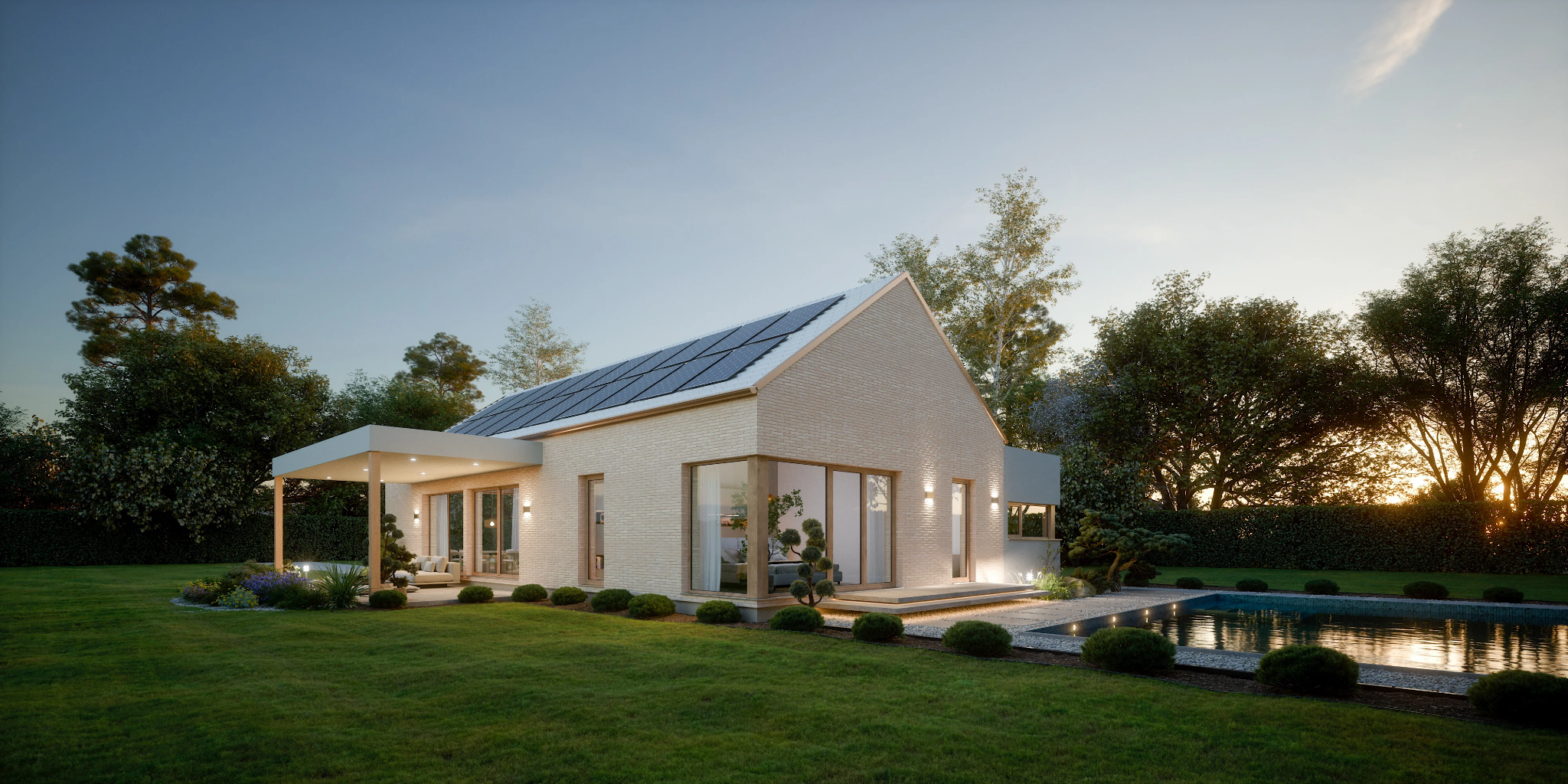
A beautifully produced render has always been the standard presentation tool for off-plan luxury property. And for good reason — at its best, architectural CGI is genuinely stunning. But a still image, however masterfully composed, is frozen. It shows you one moment, from one angle, in one light.
It cannot show you how the morning sun moves across a stone kitchen surface. It cannot convey the particular quality of a double-height room as you enter it, or the way a terrace feels when the doors are folded back on a warm evening. These are the sensory details that make a home — and they are precisely what a single frame is unable to communicate.
Living in a Home That Hasn’t Been Built
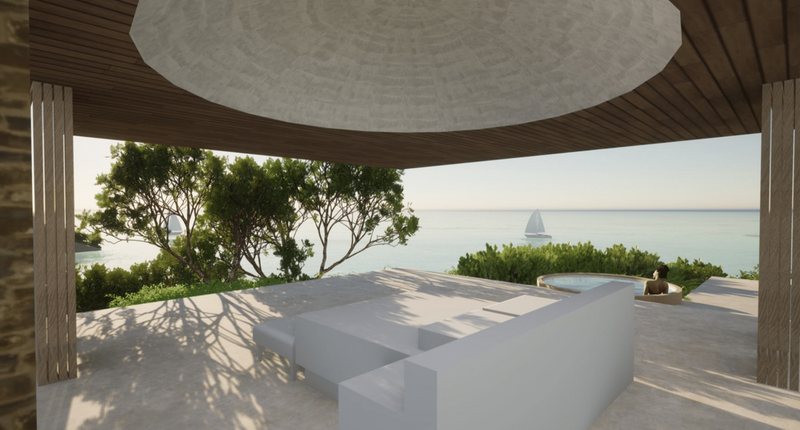
The most discerning buyers and the developers who court them are increasingly turning to 3d architectural animations as the new standard for pre-sale presentation. These are not slideshows or simple flyovers. They are cinematic, photorealistic walkthroughs of a property — produced from architectural drawings with a level of accuracy that extends to material grain, the behaviour of natural light at different times of day, and the precise proportions of every space.
A buyer can move through the entrance hall, pause in the kitchen, step out onto a terrace and watch the light change over a view that will one day be theirs. The experience is immersive in a way that no brochure or sales suite can replicate. More importantly, it is informative — in the truest sense of the word.
For international buyers making decisions from a distance, the value is even more pronounced. When a physical visit isn’t possible before exchange, a rigorously produced animation becomes, in effect, the property itself. The decision is made not on faith, but on something close to direct experience.
Confidence as a Luxury in Itself
At the level of the market where this is becoming standard practice, certainty is not a nice-to-have. It is part of what is being purchased. Affluent buyers have come to expect absolute transparency and precision in every other significant acquisition — whether a bespoke piece of jewellery, a commission with a tailor, or a custom automobile. The expectation has now arrived in property.
Developers offering this level of visual rigour are finding that it changes the nature of the buying relationship entirely. Decisions are made with greater confidence and made faster. The conversation between buyer and developer begins on firmer ground. And the finished property, when it arrives, tends to match the experience that was promised — because the promise itself was so precisely made.
The Presentation as Part of the Experience
There is a broader principle at work here. In the luxury market, the experience of acquiring something exceptional is inseparable from the thing itself. The presentation, the process, the level of care evident at every stage — these are not peripheral to the transaction. They are part of what is being offered.
A developer who invests in a cinematic, architecturally precise animation is communicating something about the project long before the first stone is laid: that the same attention to detail visible in the presentation will be present in the finished building. For a buyer who measures everything by the quality of what they encounter, that signal carries real weight.
Seeing your future home — truly seeing it, before it exists — is no longer a matter of imagination. For those who know where to look, it is simply a matter of asking.