




Luxury travel has evolved. Today’s most discerning travelers are no longer defined by how many destinations they can fit into a single itinerary, but by how deeply they experience the places they choose. Slow travel, once considered a niche approach, has become a defining element of modern luxury, offering a more thoughtful, immersive way to explore the world while preserving what makes it extraordinary.
At its best, slow travel blends comfort with consciousness. It invites travelers to linger longer, engage more fully, and appreciate the delicate balance between indulgence and responsibility. Nowhere is this more apparent than in destinations where conservation and luxury exist in quiet harmony.
The Meaning of Slow Travel in a Luxury Context
Slow travel is not about doing less; it’s about doing things better. For luxury travelers, this means fewer transitions, more meaningful encounters, and experiences that feel curated rather than rushed. Staying longer in one place allows for a deeper understanding of local culture, cuisine, and landscapes – elements that can be easily overlooked when moving too quickly.
In a luxury setting, slow travel often includes private guides, small-group excursions, and accommodations designed to complement their surroundings. These journeys prioritize quality over quantity, creating space for reflection, connection, and authenticity. The result is travel that feels effortless yet intentional.
Ecuador: A Model of Conservation-Led Luxury
Ecuador stands out as a destination where environmental stewardship is deeply woven into the travel experience. Despite its relatively small size, the country boasts remarkable biodiversity, from Andean highlands to Amazonian rainforest and pristine Pacific islands. Protecting these ecosystems has long been a national priority, shaping how travelers are welcomed and guided.
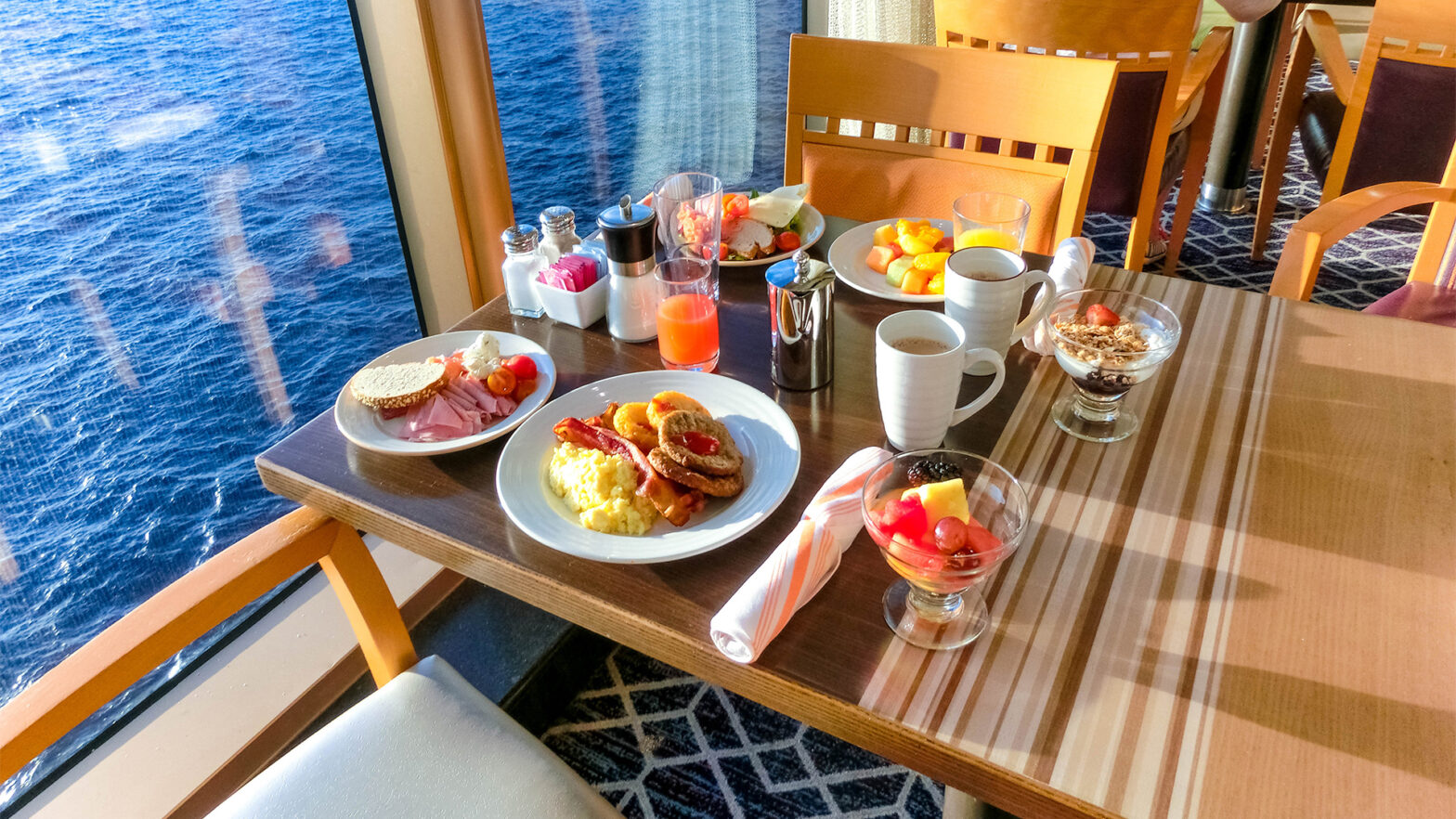
In the Galápagos Islands, strict regulations ensure that tourism remains sustainable. Visitors experience the archipelago through controlled, educational journeys that emphasize conservation and respect for wildlife. Many travelers explore the islands via Galapagos cruises, which offer carefully managed access to remote locations while maintaining high standards of comfort and environmental responsibility. These voyages demonstrate how thoughtful planning can preserve fragile ecosystems without compromising the quality of the experience.
The Nordic Region: Minimalism Meets Sustainability
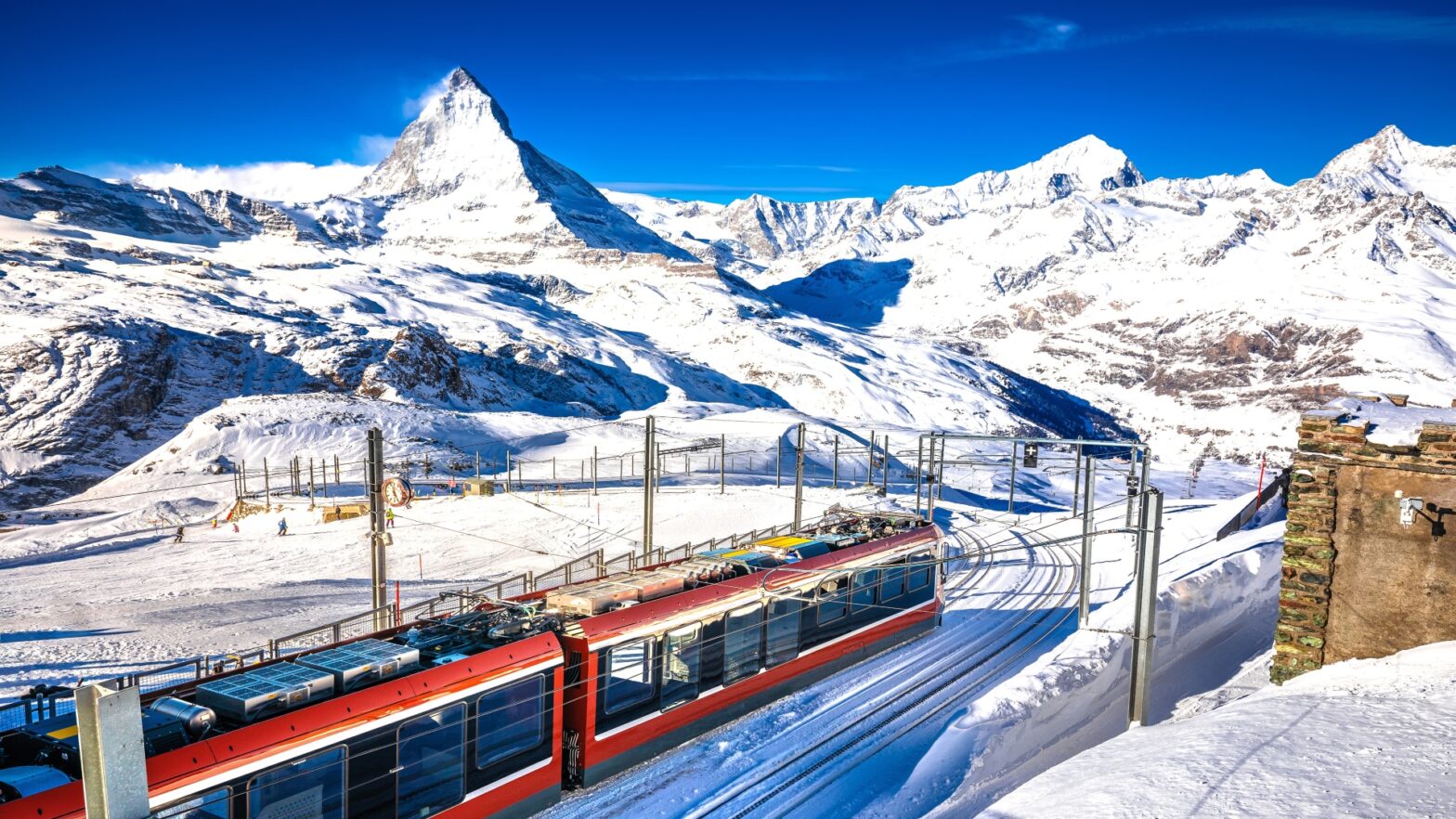
The Nordic region offers a refined approach to conservation-led luxury, where design, comfort, and environmental responsibility exist in quiet harmony. Across Norway, Sweden, Finland, and Iceland, travel experiences are shaped by simplicity: clean architecture, natural materials, and a deep respect for the surrounding landscape.
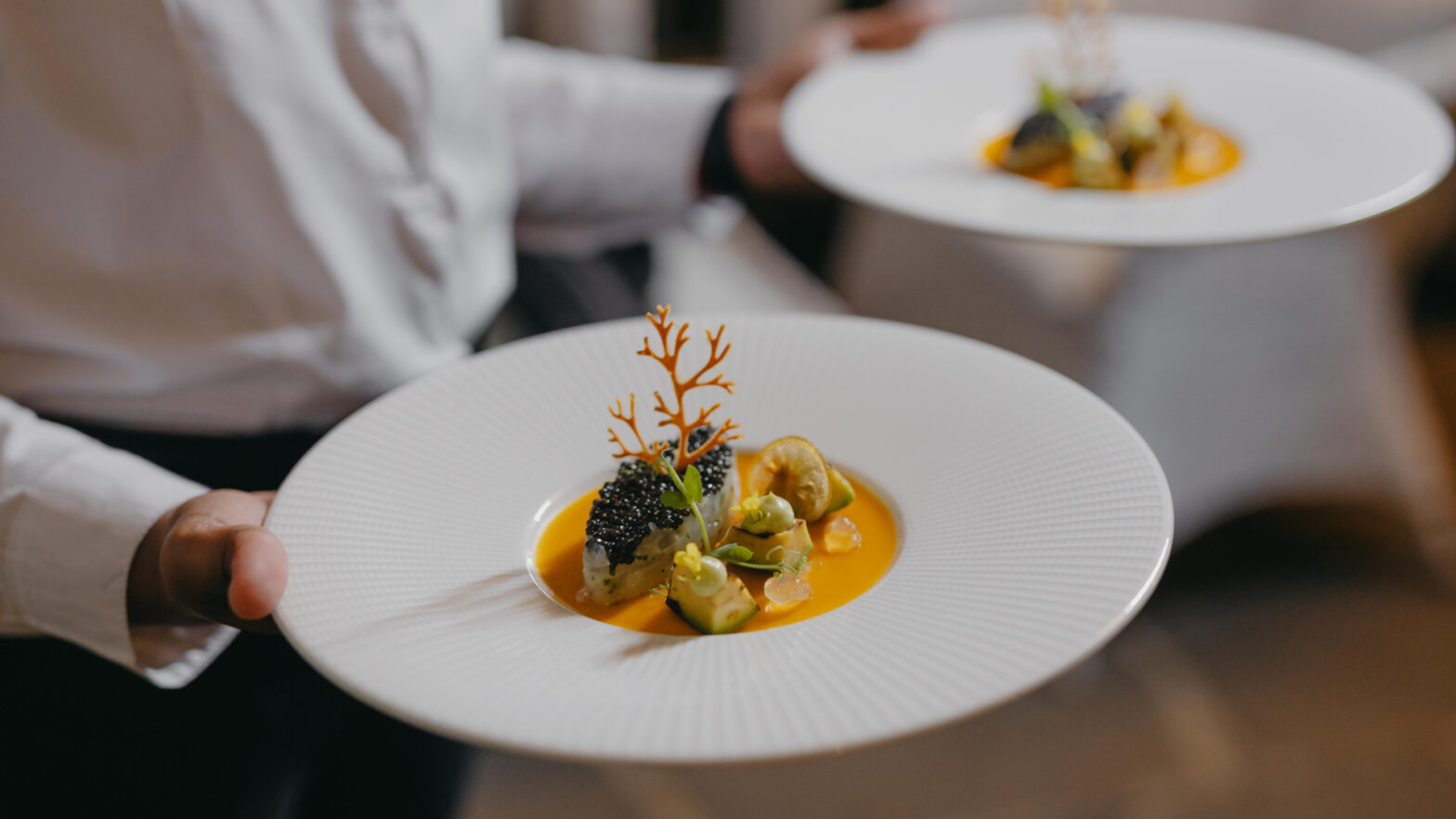
Luxury here is understated. Remote retreats focus on renewable energy, locally sourced cuisine, and small-scale experiences that allow nature to remain the central presence. Slower pacing encourages travelers to linger, observe, and reconnect, reinforcing the idea that true luxury often lies in restraint rather than excess.
Other Destinations Where Luxury Supports Preservation
Ecuador is not alone in redefining what luxury travel can look like. Around the world, destinations are embracing a slower, more responsible model that benefits both travelers and the environments they visit.
In parts of Africa, conservation-focused safaris have transformed the traditional game drive into something far more meaningful. Private reserves limit visitor numbers, fund wildlife protection, and support local communities, all while offering elegant lodges and personalized service.
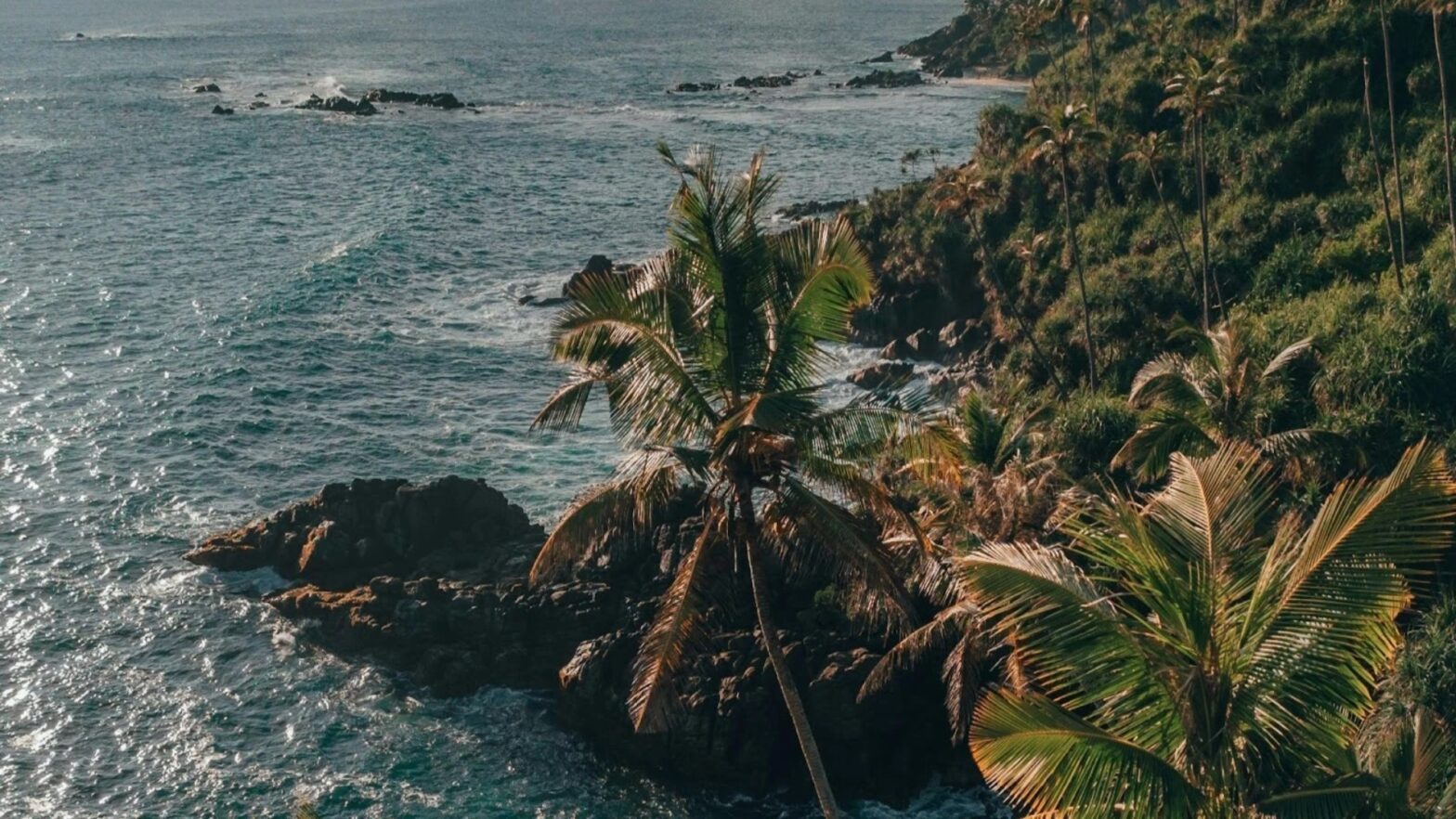
In Southeast Asia, a growing number of eco-conscious resorts are demonstrating how thoughtful design and cultural respect can elevate the travel experience. Set within rainforests, rice terraces, or along protected coastlines, these properties prioritize low-impact construction, community engagement, and preservation of local ecosystems while still delivering refined comfort.
Elsewhere, private island stays emphasize marine conservation, protecting coral reefs and sea life while offering secluded, high-end escapes. These experiences prove that exclusivity and environmental care are not opposing concepts but complementary ones.
Why Where You Stay Matters
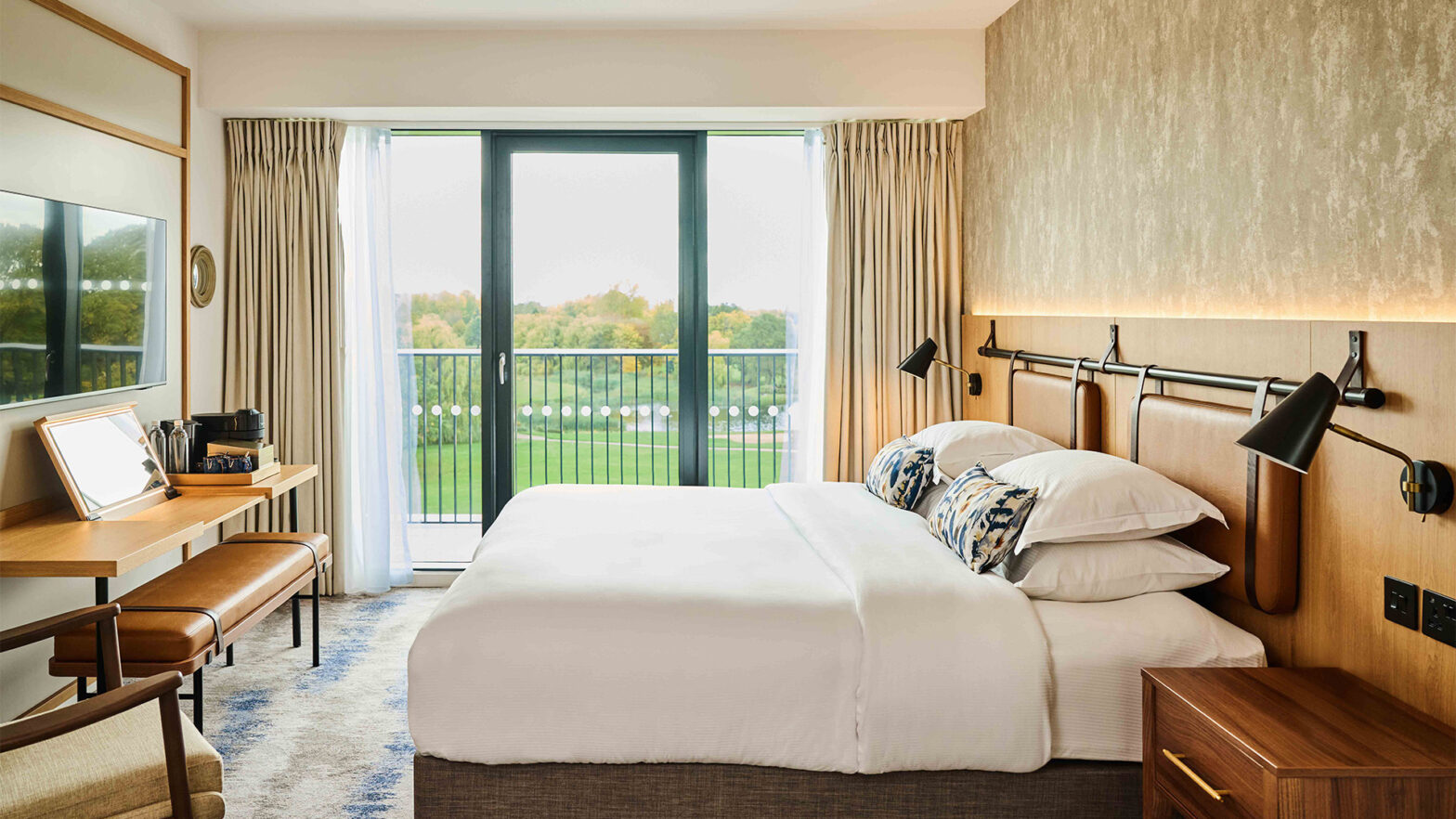
In slow travel, accommodations are more than a place to rest, they are an extension of the destination itself. Luxury properties increasingly focus on low-impact design, local materials, and community engagement. Smaller guest capacities reduce strain on the environment, while thoughtful architecture enhances a sense of place.
Choosing the right accommodation can shape the entire journey. Properties that prioritize sustainability often provide deeper access to their surroundings through expert-led experiences, educational programming, and meaningful connections to local culture. This approach transforms a stay into something immersive rather than transactional.
Responsible Travel Without Sacrifice
One of the most persistent myths about sustainable travel is that it requires compromise. In reality, today’s luxury travelers expect comfort and responsibility to coexist seamlessly.
From locally sourced cuisine and wellness experiences rooted in tradition to guided excursions that emphasize learning rather than spectacle, conservation-minded luxury is often more enriching than conventional alternatives. Travelers benefit from a sense of purpose, knowing their presence supports preservation rather than detracts from it.
This effortless integration of responsibility appeals to those who value refinement with substance. It allows travelers to enjoy the finest elements of a destination while leaving a lighter footprint behind.
Why Slow Travel Feels More Luxurious
There is an undeniable elegance in unhurried travel. Without the pressure to see everything, travelers gain the freedom to truly notice their surroundings – the changing light, the rhythm of daily life, the subtleties that make a place memorable.
Slow travel also fosters emotional connection. Conversations last longer, experiences feel personal, and memories linger well beyond the journey itself. In many cases, these thoughtfully paced trips become the most meaningful, precisely because they allow space for presence and appreciation.
Luxury, in this sense, is not defined by excess but by intention.
The Future of Intentional Travel
As luxury travel continues to evolve, slow, conservation-led journeys are becoming the benchmark rather than the exception. Travelers are increasingly drawn to experiences that reflect their values, offering both comfort and conscience in equal measure.
The future of luxury lies in choosing destinations and experiences that give back as much as they offer: places where beauty is preserved, cultures are respected, and time is treated as the most valuable indulgence of all.
In embracing slow travel, today’s luxury traveler isn’t just seeing the world more thoughtfully, they’re helping ensure it remains extraordinary for generations to come.