




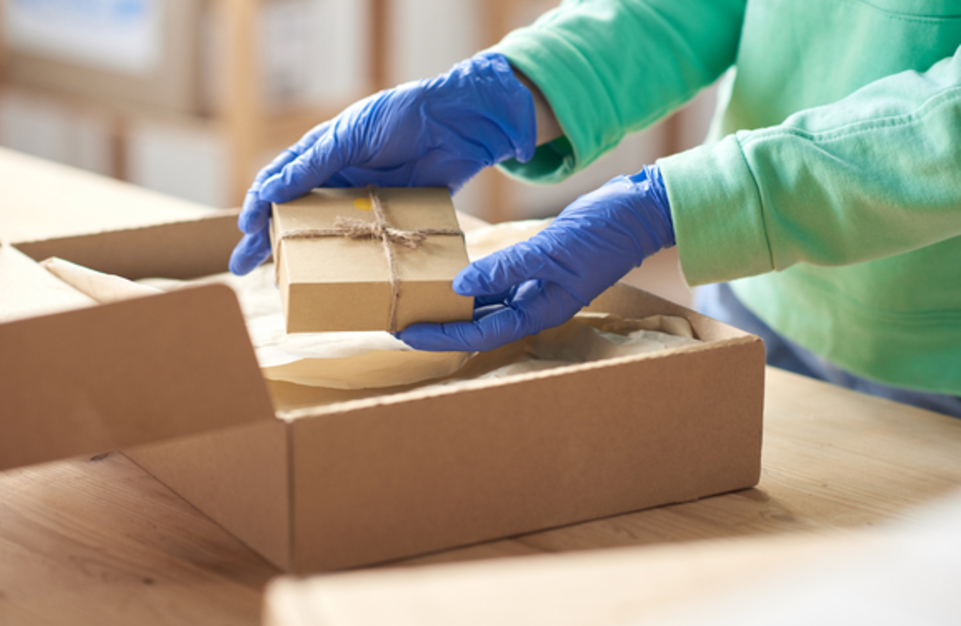
If you have ever opened an elegantly arranged gift set, premium confectionery box or beautifully presented collection of cosmetics, you may have wondered how the brand achieves the same polished result across hundreds or thousands of units.
That question becomes especially important when launching or growing a premium brand. The creative ambition may be clear: carefully positioned products, layered packaging, decorative elements, personalised inserts or a reveal designed to turn opening the box into an experience. The practical challenge is reproducing that concept consistently, efficiently and without damaging the products or the impression they are meant to create.
This is where specialist co-packers enter the picture. These companies prepare products for sale on behalf of brands, handling processes such as filling, labelling, wrapping and assembling sophisticated retail or gift sets. By combining trained manual teams, packaging equipment and quality control, they allow premium concepts to be delivered at commercial scale.
The human craft behind premium packaging
Luxury packaging is often discussed in terms of design: colours, textures, typography and materials. Yet the final result depends just as much on execution.
Premium confectionery, fine teas, cosmetics, fragrances, wellness products, limited-edition beverages and seasonal gift collections may all require more than placing an item inside a standard box. Products might need to be arranged in a precise order, secured within custom inserts, wrapped in tissue, combined with accessories or finished with ribbons, sleeves, labels and printed cards.
Some elements can be automated, but complex sets frequently depend on manual work. A machine may fill a bottle, apply a label or shrink-wrap a standard pack with impressive speed. It is less suited to positioning several differently shaped products inside a presentation box or ensuring that every decorative element faces the right direction.
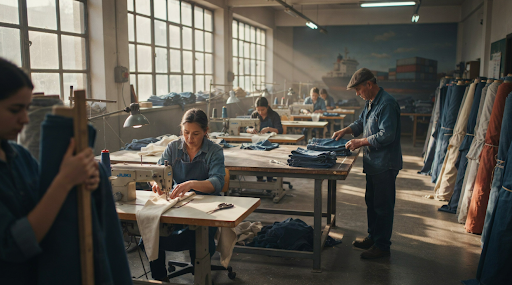
The people carrying out this work are often employed by co-packers specialising in preparing FMCG goods for retail. Their role is not simply to place items in boxes. They must follow detailed instructions repeatedly, recognise damaged components and ensure that every finished set reflects the visual standard expected from the brand.
This is the less visible side of luxury packaging: skilled, carefully supervised manual work supporting the creative concept.
How specialist co-packing works
The process begins with the brand defining its desired packaging format and supplying the products, packaging components and instructions. Depending on the project, the co-packer may receive bottles, jars, boxes, inserts, tissue paper, promotional gifts and printed materials from several different suppliers.
Before full production begins, a test run is normally used to confirm the sequence of work, presentation of the finished pack and time required for each unit. Potential problems can then be identified before large quantities of valuable products or packaging materials are involved.
Once the specification is approved, trained workers reproduce the format at scale, while supervisors and quality-control teams check that the correct components are used and that the final result remains consistent.
This expertise can be particularly useful for new brands, before they finalise packaging design. A concept may look beautiful in a rendering or prototype but prove unnecessarily difficult to assemble, fragile in transport or expensive to reproduce. Co-packers have seen many packaging formats perform in real production conditions and can identify practical risks that a new brand may not anticipate.
They do not however replace the designer or decide what luxury should look like. Its value lies in ensuring that the creative vision can survive contact with production, storage, transport and the final customer.
For a broader explanation of how this type of specialist works, visit TRANSPAK Co-packing’s website, which offers resources covering packaging services and outsourcing. The company’s own bundle-packaging work commonly involves cosmetics, sweets, teas and other food products, including promotional and gift sets.
Why premium brands use co-packers
The first advantage is creative freedom. Without access to specialist support, a brand may have to simplify an ambitious packaging concept because it lacks the people, machinery or processes required to execute it reliably.
A co-packer makes it possible to choose a format that genuinely reflects the brand rather than settling for the easiest option to manage internally. This is particularly valuable for launches, festive collections, influencer packages and limited editions where presentation forms an important part of the product’s appeal.
The second benefit is removing a substantial operational burden. Manual packaging requires recruitment, training, workspace, supervision and detailed instructions. Demand may also fluctuate sharply. A brand might need considerable capacity before Christmas, Valentine’s Day or a major campaign, but have little use for the same workforce once the peak has passed.
Managing this internally risks paying for unused capacity or recruiting temporary workers precisely when deadlines are tightest. A co-packer absorbs much of that complexity by maintaining trained teams and assigning them according to changing project requirements.
Quality control is equally important. With premium goods, small details matter. A creased sleeve, misaligned label, scratched box or missing insert may not affect the product itself, but it can undermine the entire experience. Professional packaging operations use checks before and during production to detect unsuitable components and prevent the same error from being repeated across a full batch.
Finally, outsourcing allows the brand’s own team to focus on the areas where it creates the most value: developing products, shaping the identity, telling the story and building relationships with customers and retailers.
Luxury is completed in the final detail
A premium product does not become luxurious solely because of its ingredients, design or price. The customer’s impression is shaped by how it arrives, how it is presented and whether every detail feels deliberate.
Specialist co-packers provide the practical bridge between an imaginative packaging concept and its reliable execution at scale. For premium brands, that partnership can preserve creative freedom while reducing operational risk and help ensure that the final product feels as considered in the customer’s hands as it did in the designer’s original vision.