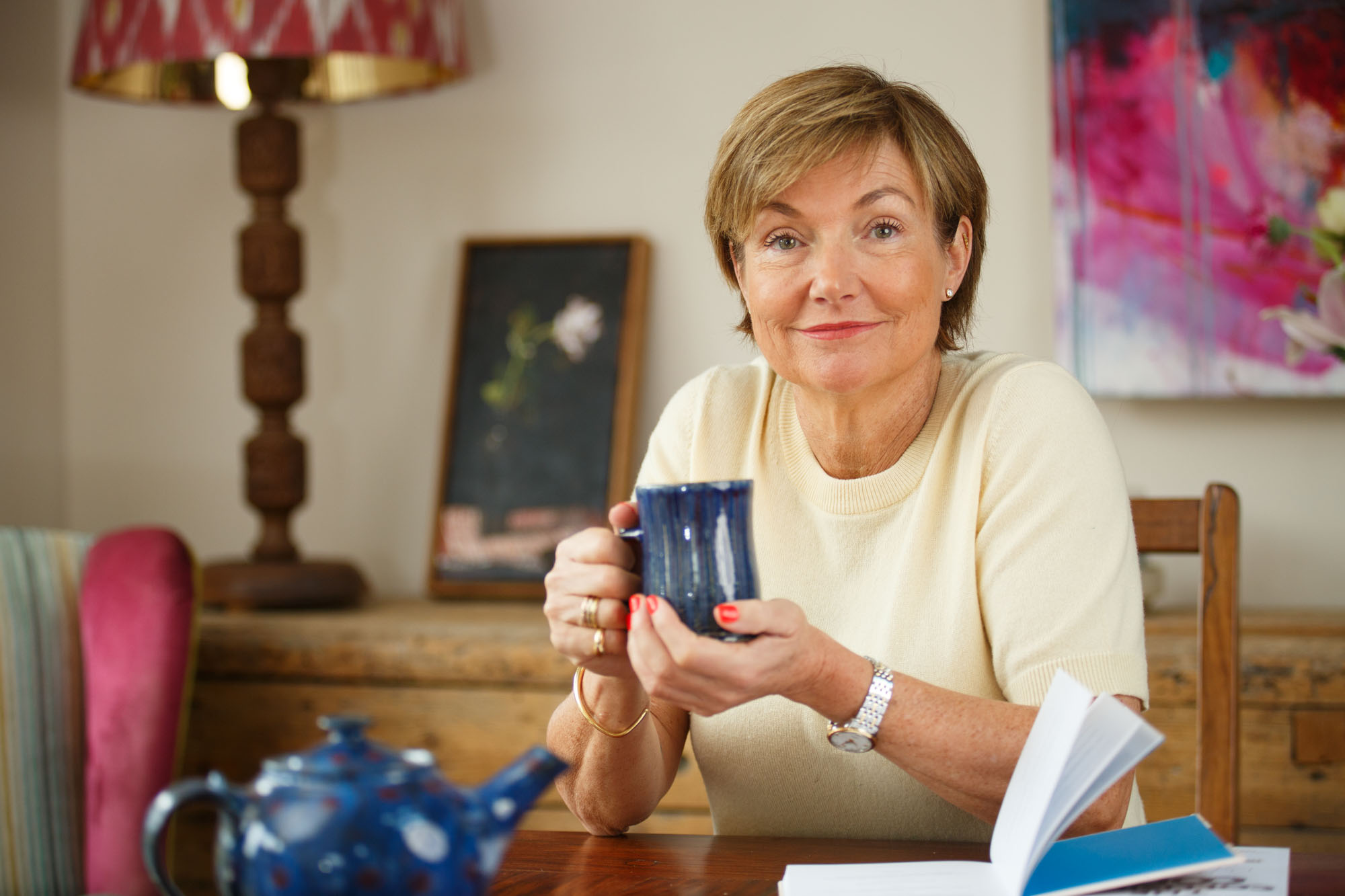






By Rachel Clacher, Co-Founder of Coertze + Clacher
Luxury homes have always been designed around how we want to live. But increasingly, I think we’re starting to ask a slightly different question: how do we want to live for longer?
Longevity has become one of the biggest conversations in wellness, and inevitably it is beginning to influence the way we think about our homes too, moving well beyond the simple additions of a home gym and swimming pool. At the very top end of the market, we’re seeing everything from infrared saunas and cold plunges to red-light therapy, advanced air and water purification and lighting designed around our natural circadian rhythms.
It’s fascinating. But I also wonder whether the most important elements of a longevity home might be rather less futuristic.
Designing for the Life Ahead
Through my work in property, and particularly living between the UK and Mallorca, I’ve become fascinated by how much our physical environment influences our wellbeing.
Natural light affects how we feel and sleep. Fresh air matters. Being able to move easily between indoors and outdoors matters. So does having somewhere pleasant to walk, people to talk to and a community in which we feel we belong.
None of these things sounds particularly revolutionary, but perhaps that’s the point.
At Coertze + Clacher, we often talk about designing around a life rather than a floorplan. For me, longevity takes that idea one step further: designing not only for the life you’re living today, but for the life you hope to be living in 10, 20 or 30 years’ time.
That might mean layouts that can adapt as families change, spaces that allow different generations to spend time together without living on top of one another or simply designing homes that remain easy and enjoyable to navigate as we get older.
And, ideally, you shouldn’t notice it at all.
Wellness Without the Wellness Room
I’m intrigued by the growing appetite for dedicated recovery spaces, but I don’t think wellness can be contained within one beautifully designed room.
A sauna is wonderful, but so is a bedroom that helps you sleep properly.
A cold plunge may have its benefits, but so does stepping outside your front door and being able to walk somewhere.
And sophisticated air filtration has an important role to play, but we shouldn’t overlook the value of natural ventilation, shade, planting and materials that work with the climate and environment around them.
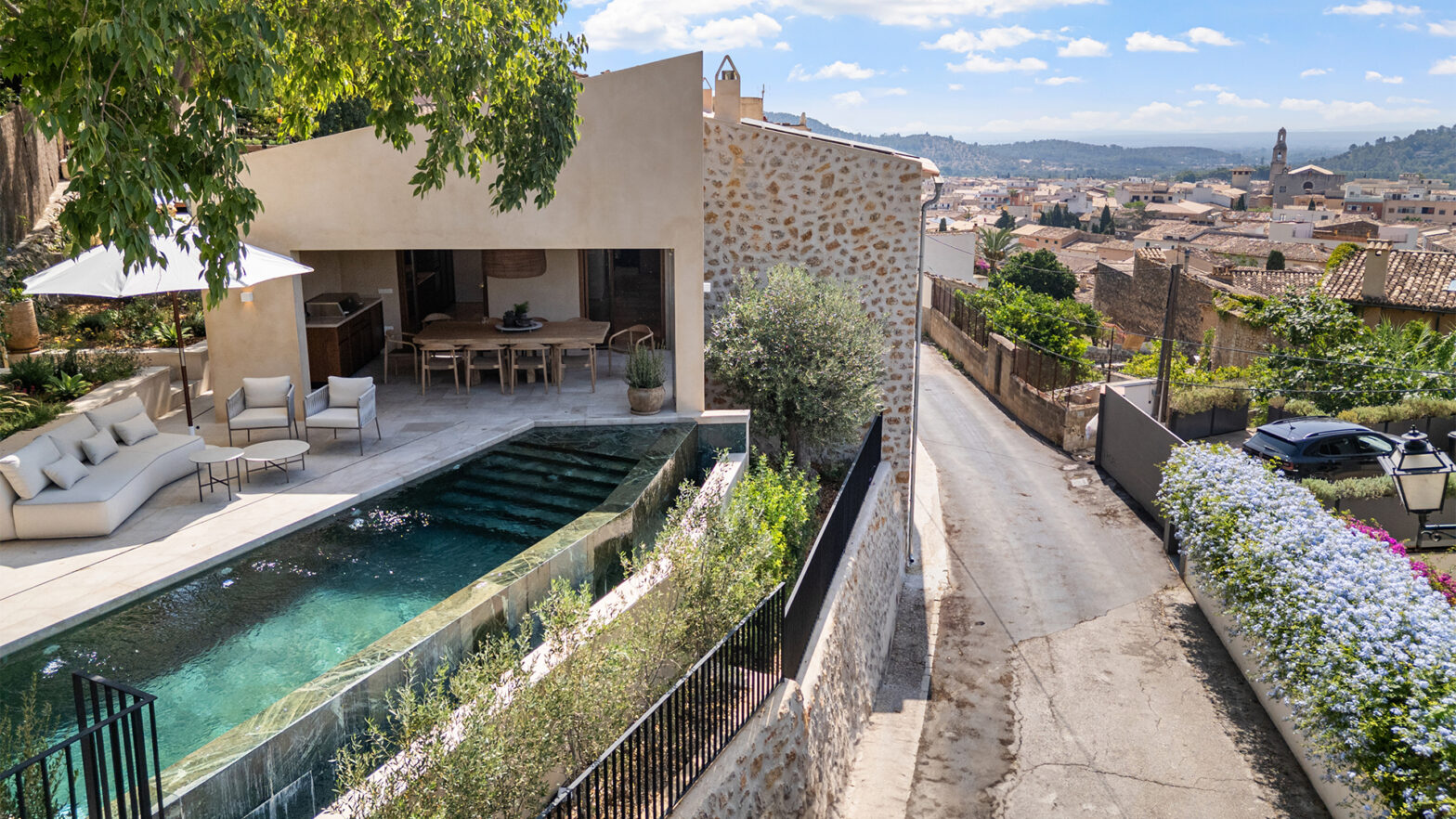
In Mallorca, many of these principles have existed for generations. Traditional architecture responded intuitively to heat, light and airflow long before we had technology to measure them. Local stone, shutters, courtyards and thick walls weren’t aesthetic trends; they were intelligent responses to place.
There’s something rather lovely about combining that centuries-old knowledge with the best of modern design and technology, rather than assuming newer must always mean better.
Longevity Doesn’t Stop at the Front Door
Perhaps the biggest shift, though, is recognising that a healthy home can’t exist in isolation.
We can create the most technologically advanced house imaginable, but if we have to get into a car every time we want to buy a loaf of bread, see a friend or go for a coffee, have we really designed for longevity?
Walkable neighbourhoods, green space, local shops and services, and opportunities for spontaneous human connection all matter. Increasingly, I think the quality of the community around a home will become just as important to luxury buyers as the quality of the home itself.
Because one of the greatest threats to living well isn’t simply physical ill health is it. Beautiful buildings need good people and thriving communities around them to truly come alive.
A Home That Grows With You
For me, this is where the longevity conversation becomes really interesting.
It isn’t about filling our homes with technology in an attempt to outsmart ageing. It’s about creating environments that make healthy choices easier, connection more natural and everyday life more enjoyable.
Luxury will, of course, always include beautiful materials, extraordinary craftsmanship and exceptional design. I hope it does.
But perhaps the next evolution is a home that gives something back to us: better sleep, more movement, cleaner air, deeper connection, less stress and the ability to continue living well in a place we love as we grow older.
After all, what could be more luxurious than a beautiful home that doesn’t simply look after you today, but is designed to look after the person you’ll become?
Coertze + Clacher is a design and build practice based in Mallorca, for further information please visit coertzeclacher.com