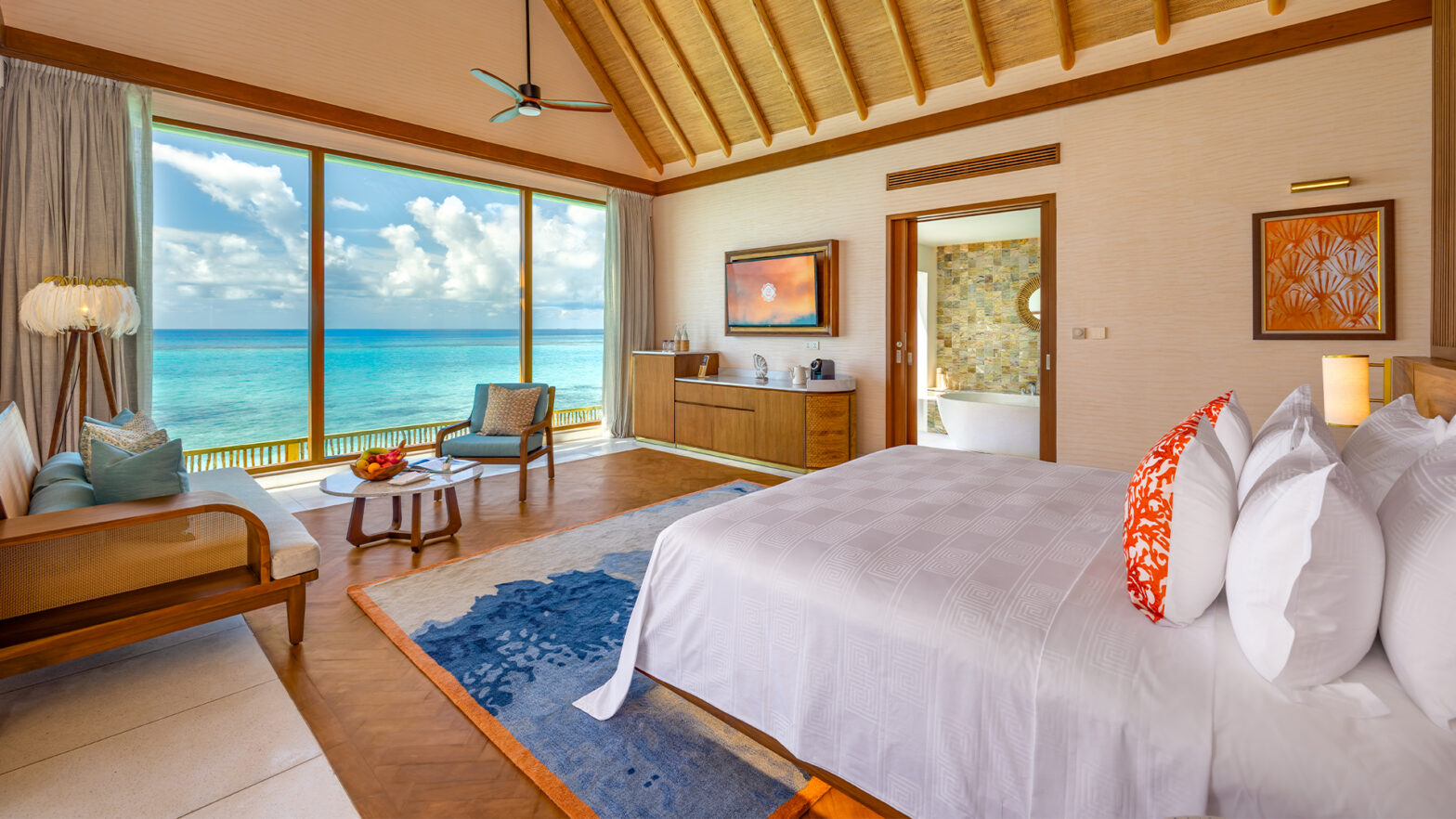








Over the past decade, the global luxury travel market has undergone a profound transformation. Discerning travelers are no longer simply seeking five-star accommodations; they are searching for privacy, autonomy, and experiences tailored entirely to their lifestyle. At the center of this evolution lies the growing demand for luxury villa rentals — a segment that has shifted from niche indulgence to mainstream preference among high-net-worth travelers.
This shift is more than a passing trend. It reflects broader structural changes in how affluent travelers define comfort, value, and exclusivity.
From Hotel Prestige to Private Space
For decades, the gold standard of luxury travel was defined by iconic hotels and established resort brands. While these institutions remain influential, a growing segment of travelers is moving beyond traditional hospitality models in favor of private residences that offer greater control over their environment.
Luxury villas provide what even the most refined hotel often cannot: uninterrupted privacy, expansive living space, and the ability to shape each day without imposed schedules. For multigenerational families, groups of friends, or entrepreneurs combining work and leisure, this flexibility has become essential rather than optional.
The appeal is particularly strong among travelers who value discretion. A private estate eliminates shared lobbies, crowded amenities, and fixed dining times — replacing them with bespoke services delivered on demand.
The Forces Driving the Villa Boom
Several macro trends have accelerated the growth of the sector.
Privacy and Well-Being
The pandemic fundamentally reshaped travel priorities. Personal space, health considerations, and controlled environments moved to the forefront of decision-making. Villas, by nature, offer contained settings that limit exposure while preserving comfort.
Remote and Hybrid Work Models
As professional mobility increases, travel durations have expanded. Longer stays require space, reliable connectivity, and environments that accommodate both productivity and leisure — criteria well suited to private residences.
Experience Over Uniformity
Luxury is no longer defined solely by thread counts and marble bathrooms. Today’s affluent traveler seeks immersion: access to local culture, regional gastronomy, and authentic surroundings. Private villas allow guests to engage with a destination at a residential pace, rather than through the lens of a standardized hotel experience.
Industry data reflects this evolution. The short-term rental segment has seen significant growth since 2019, particularly in high-end inventory across Europe, the Caribbean, and parts of Asia, indicating sustained demand for premium private accommodations.
The Emergence of Curated Villa Specialists
As demand has expanded, so too has the need for professional structure within the villa market. What was once fragmented and informal is becoming increasingly organized through specialized operators who oversee quality control, service standards, and guest experience.
In this evolving landscape, Villanovo luxury villas illustrate how private residences can deliver both autonomy and hotel-level service standards. Rather than replicating traditional hospitality, these properties combine architectural character, carefully selected locations, and personalized concierge support — enabling travelers to experience destinations with both independence and reassurance.
The result is a more structured and reliable experience, particularly for travelers transitioning from traditional hotel luxury to private stays.
Challenges Within a Growing Market
Despite its momentum, the villa sector is not without complexity.
Regulatory frameworks vary significantly by destination. As local authorities balance tourism growth with residential needs, compliance requirements have become more stringent in key markets.
Sustainability expectations are also rising. High-end properties situated in sensitive coastal or rural environments must address resource management, energy efficiency, and responsible integration with local communities.
Service consistency remains a differentiator. Unlike hotel brands operating under centralized systems, villa experiences rely on local teams and partners, which can result in variability. Professional intermediaries therefore play a crucial role in maintaining standards and safeguarding reputation.
A Structural Shift in Luxury Travel
The growth of curated villa travel represents more than a preference for larger accommodations. It signals a broader redefinition of luxury itself — one centered on privacy, personalization, and spatial freedom.
Hotels will undoubtedly continue to hold an important position within the luxury ecosystem. Yet the sustained rise of luxury villa rentals suggests that private, design-led, and service-supported residences are becoming a permanent pillar of the high-end travel landscape.
For today’s affluent traveler, exclusivity is no longer about visibility. It is about space, control, and experiences shaped entirely around individual rhythm — a standard that curated villa travel is uniquely positioned to deliver.