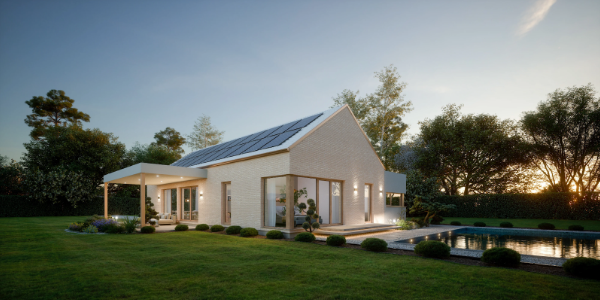







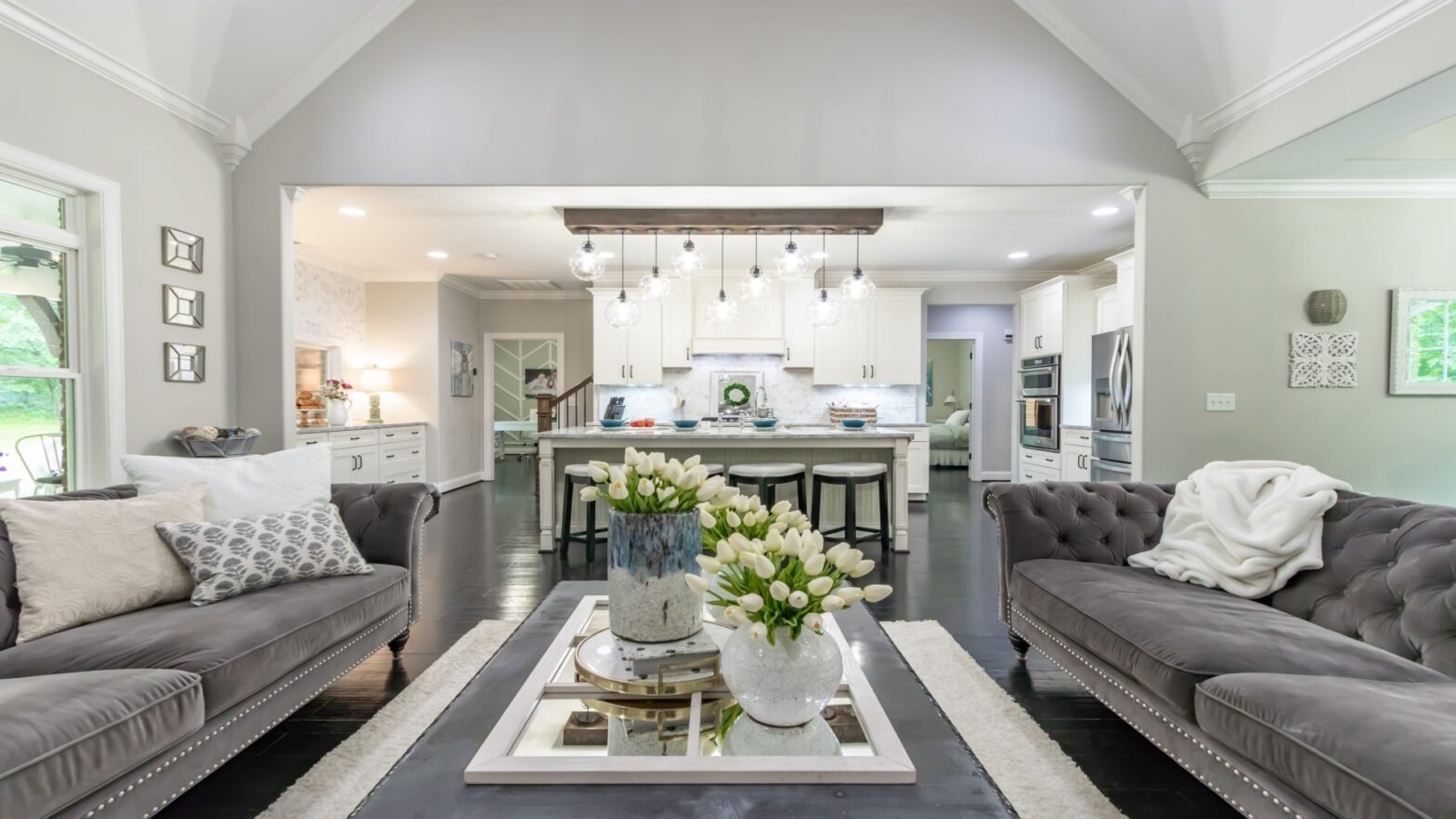
Luxury homes have long been defined by thoughtful architecture, refined interiors, and carefully curated details. In recent years, another element has taken on greater importance: the quality and design of outdoor living spaces. Gardens, terraces, and decks now serve as natural extensions of the home, offering places to relax, entertain, and enjoy time outdoors without leaving the comfort of one’s property.
Homeowners increasingly approach these spaces with the same attention given to interior design. Materials, layout, lighting, and landscaping all contribute to creating environments that feel cohesive with the home’s architecture. Rather than functioning as simple backyards, outdoor areas are being shaped into inviting retreats that support everyday living as well as special gatherings.
This growing interest reflects a broader shift in how people experience their homes. Comfort, privacy, and connection to the outdoors have become central priorities, encouraging designs that blend indoor and outdoor spaces seamlessly. The result is a new approach to residential living in which outdoor environments play a meaningful role in a home’s overall character and enjoyment.
The Growing Appeal of Luxury Outdoor Living
Outdoor living has become an integral part of contemporary home design, particularly among homeowners seeking spaces that support both relaxation and social connection. Well-designed outdoor areas provide an opportunity to step outside while remaining within a private and comfortable environment, turning everyday moments into experiences that feel calm and restorative.
Several factors contribute to this shift. Many homeowners now prioritize environments that encourage time outdoors, whether that means quiet mornings with coffee, family meals in the open air, or evenings spent gathering with friends. These experiences place greater value on thoughtfully designed outdoor settings that feel welcoming throughout the day.
Design trends have also played a role. Inspiration from boutique hotels and resort properties has influenced residential design, bringing features such as comfortable lounge seating, ambient lighting, and integrated dining areas into private homes. Outdoor spaces are increasingly planned with the same care as living rooms and kitchens, with a focus on comfort, flow, and visual harmony.
As this approach becomes more common, outdoor living areas have evolved beyond simple patios or decks. They are now designed as purposeful extensions of the home, offering spaces that support everyday life while creating opportunities to unwind and connect with nature just steps from the door.
Designing Outdoor Spaces That Reflect the Home’s Architecture
Creating a refined outdoor living space often begins with thoughtful design that complements the home itself. When materials, layout, and visual elements align with the architecture, the outdoor environment feels like a natural continuation of the interior rather than a separate area.
Material selection plays an important role in this process. Wood, composite decking, stone, and metal accents can echo finishes used inside the home or along the exterior façade. These choices help establish visual continuity, allowing outdoor areas to blend smoothly with the property’s overall aesthetic.
Layout planning also shapes how the space functions. Seating arrangements, dining areas, and pathways should support comfortable movement while maintaining a sense of openness. When these elements are carefully arranged, outdoor areas become suitable for both relaxed everyday use and larger gatherings.
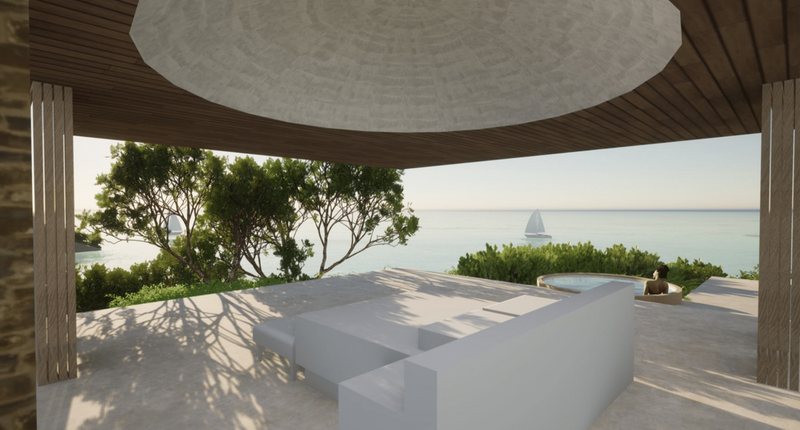
Lighting contributes another essential layer to outdoor design. Soft ambient lighting can highlight architectural features, outline pathways, and create a welcoming atmosphere after sunset. Designers often encourage approaching exterior spaces with the same attention given to interiors, focusing on comfort, atmosphere, and spatial balance. Thoughtful examples of this approach can be seen in these private outdoor retreats, where compact terraces and gardens are transformed into inviting, highly livable spaces.
By focusing on architectural harmony and careful planning, homeowners can create outdoor environments that complement the home’s character while offering spaces designed for comfort and enjoyment.
The Role of Deck Design in Modern Outdoor Living
Many outdoor living spaces begin with a strong structural foundation, and in many homes, that foundation is the deck. It helps define where people gather, dine, and relax, while also creating a natural transition between the home and the landscape. When thoughtfully designed, a deck gives the entire outdoor area a stronger sense of shape and purpose.
In Tennessee, deck design often involves a distinct set of local considerations. Moisture levels can vary throughout the year, making material performance an important part of the planning process. As a result, some homeowners turn to a custom deck builder in Mount Pleasant TN when choosing materials and layouts that suit local conditions and the character of the home.
Approaches to outdoor construction can look quite different in other parts of the country. In Florida, for example, humidity and coastal exposure often influence material choices, while in Minnesota, freeze-thaw conditions can shape decisions around structural stability and long-term durability. Similar contrasts also appear from city to city. A project in Phoenix may require different planning considerations than one in Seattle, where moisture management tends to play a larger role.
Costs and timelines can vary from one market to another as well. In larger cities such as New York or San Francisco, labor and permitting expenses often push outdoor projects into a higher price range. In smaller communities, the process may feel more straightforward, even when the design itself remains highly customized. Across locations, the broader goal remains the same: creating an outdoor space that feels comfortable, durable, and visually connected to the home.
When that balance is achieved, a deck becomes more than a practical feature. It becomes part of the way the property is experienced every day, supporting quiet routines, easy entertaining, and a stronger connection between the home and the outdoors.
Features That Define a Refined Outdoor Retreat
While structure provides the foundation for outdoor living areas, the atmosphere of the space is often shaped by the features added around it. Thoughtfully selected elements can transform a simple outdoor area into a setting designed for comfort, relaxation, and social gatherings.
Comfortable seating typically takes center stage in these spaces. Lounge chairs, sectional seating, and dining arrangements allow outdoor areas to function much like interior living rooms. When arranged thoughtfully, these seating areas encourage conversation and make it easier for guests to move naturally between different parts of the space.
Lighting also plays a significant role in shaping the mood of an outdoor environment. Soft pathway lights, subtle deck lighting, and overhead fixtures can create a warm atmosphere during the evening hours. Well-placed lighting highlights architectural details and landscaping features while making the space usable long after sunset.
Additional elements can further enhance the experience of outdoor living. Fire features often create a natural focal point where people gather during cooler evenings, while outdoor kitchens and dining spaces support meals and entertaining in the open air. Landscaping contributes another important layer, adding privacy, greenery, and seasonal character that complements the surrounding architecture.
When these features are planned carefully, outdoor environments begin to feel like fully realized extensions of the home. Each element contributes to a space that supports everyday relaxation while offering an inviting setting for gatherings and shared experiences.
Outdoor Living as a Defining Element of Modern Luxury Homes
Outdoor spaces have become an important part of how many homeowners experience their properties. Rather than serving as occasional-use areas, gardens, decks, and terraces increasingly function as everyday living environments where people gather, relax, and spend time with family and friends.
This shift reflects broader changes in residential design. Homeowners often look for layouts that allow interior rooms to connect easily with exterior spaces, creating a sense of openness throughout the property. Large doors, continuous flooring materials, and carefully positioned outdoor seating areas help create this visual and functional connection.
Designers frequently note that outdoor areas can influence how a home feels overall. A well-planned deck or terrace adds another dimension to daily living by providing space for quiet mornings, casual meals, or evening gatherings. These environments contribute to the atmosphere of a home while expanding the range of activities that can take place within the property.
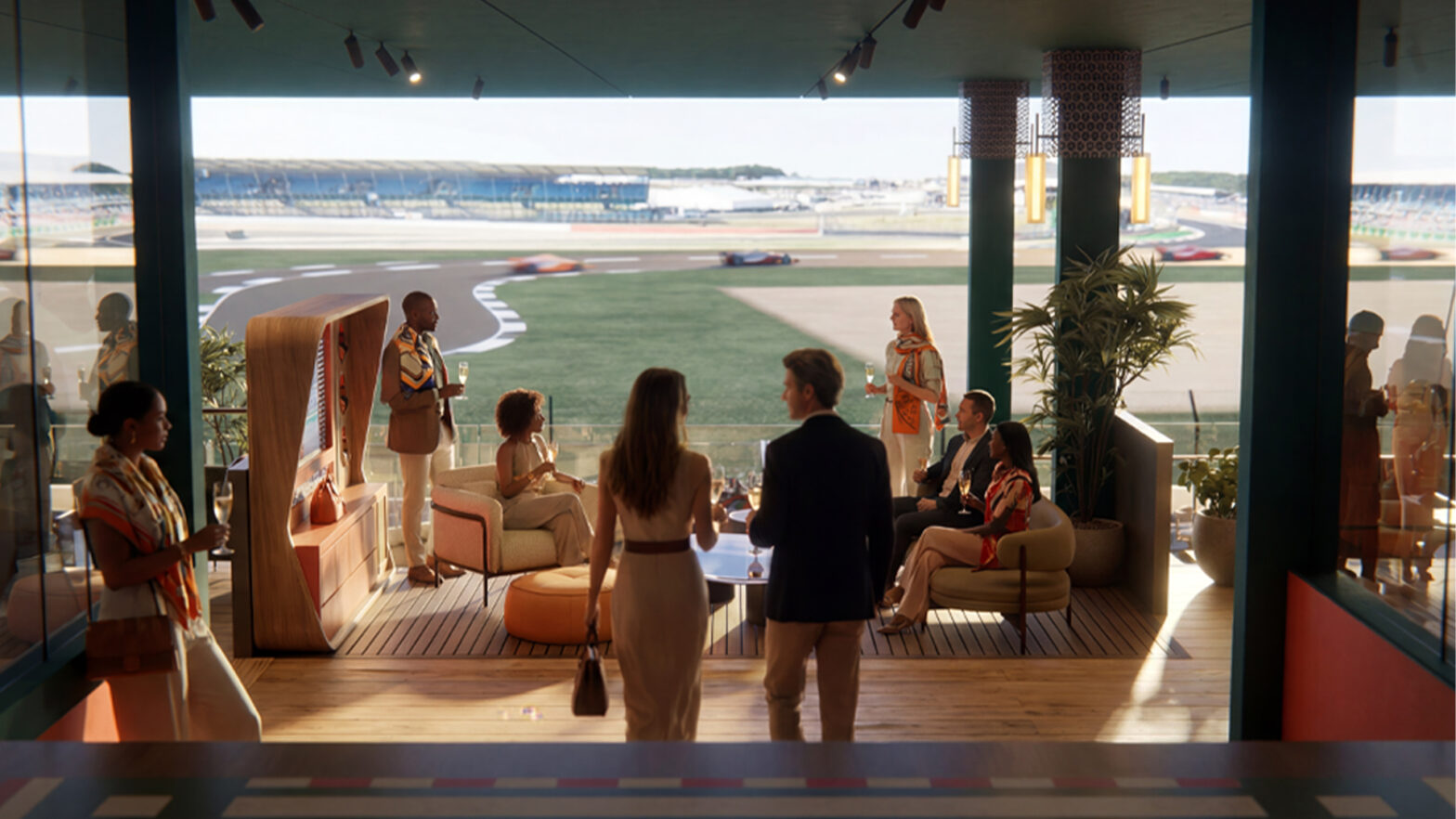
Conversations about contemporary residential design increasingly highlight how lifestyle preferences shape how properties are planned and experienced. Buyers and investors often prioritize homes that support relaxation, entertaining, and flexible living environments, reflecting a broader shift toward lifestyle-focused luxury properties.
For many homeowners, the appeal of outdoor living lies in its balance of simplicity and versatility. A carefully planned outdoor area can support quiet relaxation just as easily as larger gatherings, making it a valuable part of the modern home environment.
Conclusion
Luxury outdoor living has become an increasingly important part of modern home design, shaping how properties are used and experienced on a daily basis. Thoughtful layouts, cohesive materials, and carefully chosen features help exterior spaces feel connected to the home’s architecture while offering comfort and functionality.
Decks, seating areas, lighting, and landscaping all contribute to outdoor environments that support both quiet routines and social gatherings. When these elements are planned with care, they create spaces that feel intentional, durable, and inviting throughout the year.
As homeowners continue to place greater value on comfort, privacy, and lifestyle-driven design, outdoor spaces remain central to the character of the modern luxury home. A well-designed outdoor retreat offers more than visual appeal; it adds depth, versatility, and lasting enjoyment to how a home is lived in