



Italy does not offer itself easily. It rewards patience, discernment and the willingness to move through it at the pace it demands rather than the one a crowded schedule imposes. A luxury Italy itinerary built with genuine care is not a sequence of famous places ticked off in rapid succession. It is a considered architecture of experiences, each one chosen to deepen the one before. For those visiting for the first time, Elicompany offers the infrastructure that makes this architecture possible, connecting Italy’s most exceptional destinations by helicopter with a service built entirely around the traveler’s agenda. What follows is a framework designed to make ten days feel like a complete immersion rather than a breathless survey.
Why Italy Deserves a Luxury Approach
No other country compresses this density of civilisation into a comparable space. Seventy UNESCO World Heritage Sites. A culinary tradition recognised by UNESCO itself as intangible cultural heritage. Landscapes that shift register every hundred kilometres, from Alpine glaciers to volcanic coastlines to Renaissance hill towns that seem to have been placed by a set designer rather than by history. Italy does not forgive half-measures. A poorly chosen hotel in Rome drains energy that should go toward the city. A badly organised transfer between Florence and Venice can consume half a day that deserved to be spent differently. Traveling well here is not indulgence for its own sake. It is the only rational response to a country of this complexity.
Day 1-3: Rome, the Eternal City
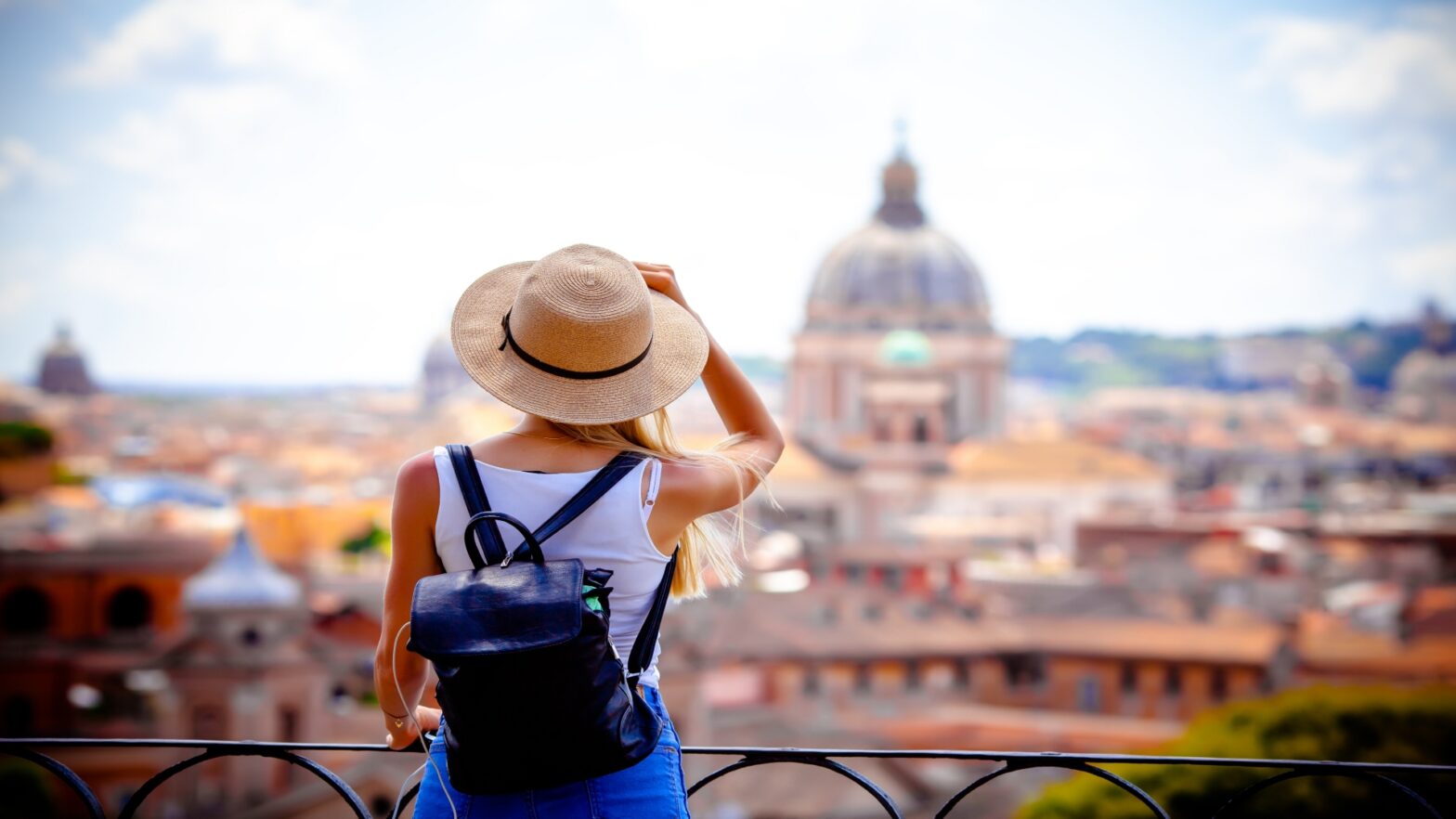
Rome resists introduction and rewards surrender. The first three days work best when built around a rhythm that is selective rather than comprehensive: the Vatican Museums in a private early-morning visit before the public crowds arrive, the Pantheon at dawn when the light falls through the oculus and turns ancient marble into something almost liquid, a dinner on the Aventine Hill with the illuminated Forum spread out below. The finest hotels cluster between the historic centre and the Parioli district, many with terraces that frame the roofline in a way that no photograph has ever quite captured. Arrivals by private aviation land at Fiumicino’s general aviation terminal, minutes by road from the city’s operational helicopter base at Ponte Galeria.
Day 4-5: Florence and the Tuscan Countryside
Florence requires less time than most people allocate to it and more attention than most people bring. Two days, used well, cover the Uffizi in a dedicated private visit, Palazzo Pitti, and the Oltrarno neighbourhood on the south bank of the Arno that the standard itineraries consistently overlook. The surrounding countryside is where the itinerary earns its depth. The Chianti hills twenty minutes from the city centre, the vineyards of the Valdarno, the wine estates that open their cellars only by appointment: these are not distractions from Florence, they are the fuller version of what Florence points toward. A private cooking class with a Tuscan chef in a farmhouse kitchen is, for many, the memory that outlasts every museum visit.
Day 6-7: Venice and the Venetian Lagoon
Venice requires no explanation and rewards every extra hour given to it. The city makes more sense from the air than from any map: its calli and canals, its islands and lagoon, form a pattern that only becomes legible at altitude. Arriving by helicopter over the lagoon is one of those travel experiences that permanently reorders the category. The operational base at Lido di Venezia, with the Nicelli heliport positioned two minutes from the international airport, connects directly with the city’s finest hotels. From Venice, Cortina d’Ampezzo is forty minutes by air, Lake Garda forty-five, Florence fifty-five. The lagoon itself, Murano, Torcello and the quieter islands beyond: two days are sufficient for those who know where to look.
Day 8-10: Lake Como or the Amalfi Coast
The itinerary’s final movement asks for a choice of character. Lake Como for those who prefer the north: historic villas on still water, the cool clarity of the Alps on the horizon, an atmosphere of refined understatement that has drawn European aristocracy and creative minds for centuries. The Amalfi Coast for those who want to close with the Mediterranean in full voice: lemons, turquoise water, terraces suspended above the cliffs, the particular quality of southern Italian light that makes everything look slightly more vivid than reality. By helicopter from Rome, Positano is seventy minutes. From Milan, Como is eighty. Both arrivals, by air, are worth the journey for the approach alone.
How to Connect Each Destination Seamlessly
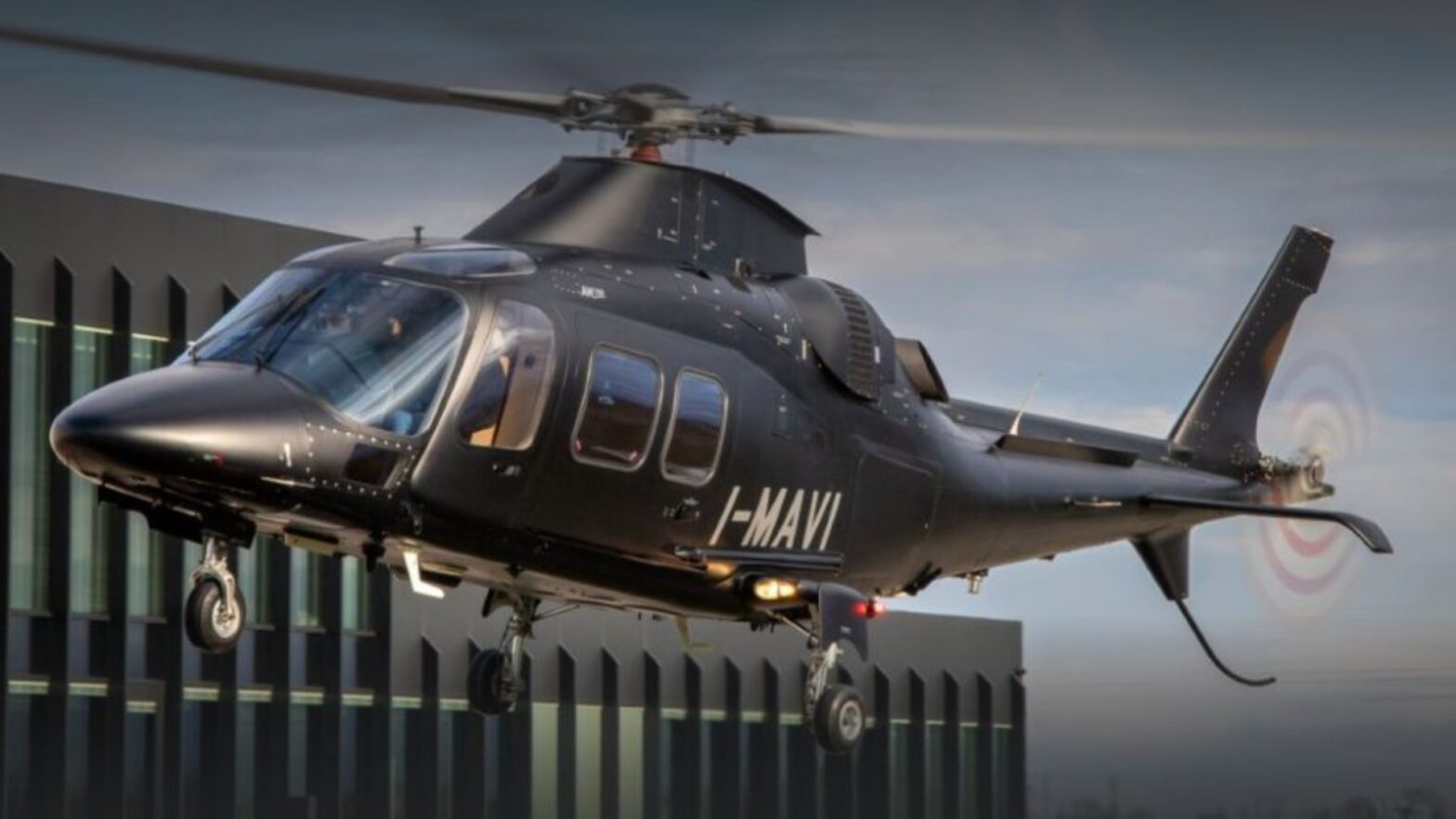
The itinerary holds together only if the transfers between stages do not consume more energy than the destinations themselves restore. The high-speed train between Rome and Florence is fast and reliable: ninety minutes, no complications. The more complex connections are where the calculation changes. Coastal destinations, lake towns and mountain resorts sit outside the high-speed rail network, and the road alternatives in high season carry costs in time that the itinerary cannot absorb. This is where Elicompany enters the equation naturally. With bases in Rome, Milan, Venice and Olbia, a fleet of Bell and Sikorsky helicopters, and a service model that coordinates ground transfers, baggage handling and dedicated assistance throughout, the operator fills precisely the gap that conventional transport leaves open. The objective is not speed for its own sake. It is the seamless passage between one exceptional experience and the next, without the friction that turns a great itinerary into an exhausting one.
Tips for Planning Your Luxury Italian Adventure
Booking six months in advance is the baseline for access to the best properties and the most sought-after experiences, particularly between May and September. The optimal window for a first luxury visit is spring, from April through to mid-June: temperatures that invite extended outdoor time, light that photographers spend careers chasing, and crowds that remain manageable even at the most celebrated sites. A realistic budget for an itinerary at this level, excluding intercontinental flights, sits between five and ten thousand euros per person for ten days, depending primarily on accommodation choices. The single most common error to avoid is trying to see too much. The finest Italian itineraries are built by subtraction, not accumulation. What you choose not to include is as important as what you put in.