





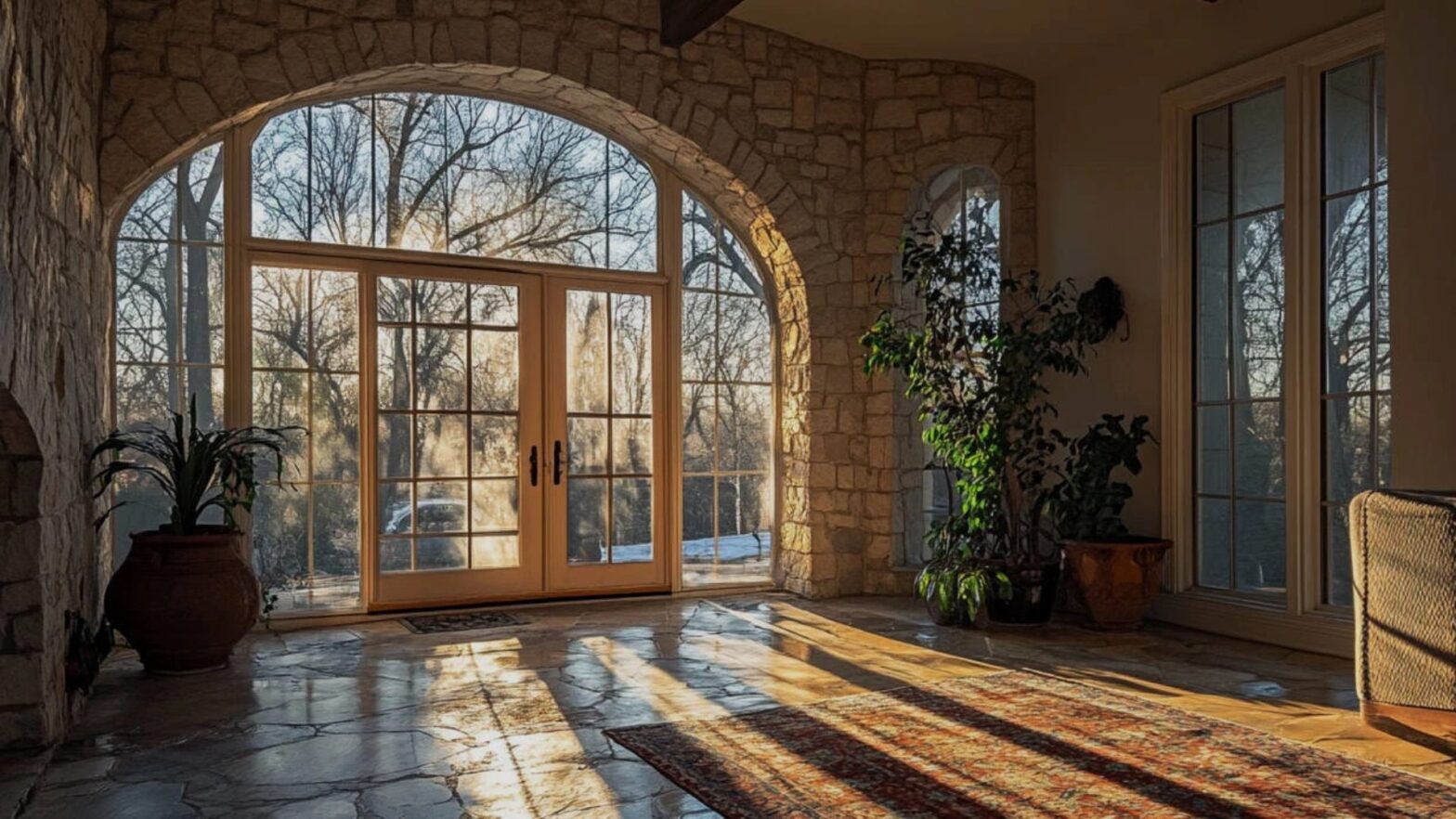
The entrance to a luxury home holds a unique power: it can intrigue, disappoint, or set the stage for everything that follows. In luxury interiors, this small space becomes a hallmark, an immediate revelation of personality, priorities, and taste. When well designed, it feels like the opening scene of a movie you can’t wait to watch.
It is no coincidence that when you step into a luxury home, the first thing you might see is an Italian Baxter furniture piece, or a limited-edition Gaetano Pesce sofa. Whether used in the foyer of a compact apartment or the large entrance hall of a coastal villa, these elements define the style of a well-kept, modern, and discreetly self-assured home.
Luxury Starts at the Door: This is What Guests Really See
An entrance works like a handshake: quick, instinctive, and surprisingly revealing. Guests read the space in seconds: the proportions, the materials, the atmosphere. A well-designed foyer tells a coherent story about the rest of the home, acting as a stylistic bridge between the outside and the inside. It also sets expectations: a curated foyer gives the impression that the home is intentional, not accidental, and that every inch has been shaped with purpose.
Choosing Unique Design Pieces That Stand Out (and Know When to Stop)
A luxury entryway doesn’t require many items, but it does require the right ones. A slim Porada console with architectural legs, a sculptural Flexform leather bench, or a discreet Acerbis cabinet for everyday items can define the entire space. The key is picking pieces that have personality without overwhelming the space. One eye-catching element, such as a curved lacquered wooden Arflex console, a dramatic Henge mirror with a bronzed frame, or a compact Cassina leather chair, often works better than several competing features. Modern foyers thrive on balance: bold accents paired with quiet surroundings. Good design creates presence, not pressure, and the best foyers feel edited rather than filled.
The Color Strategy That Creates Calm, Depth, and Quiet Luxury
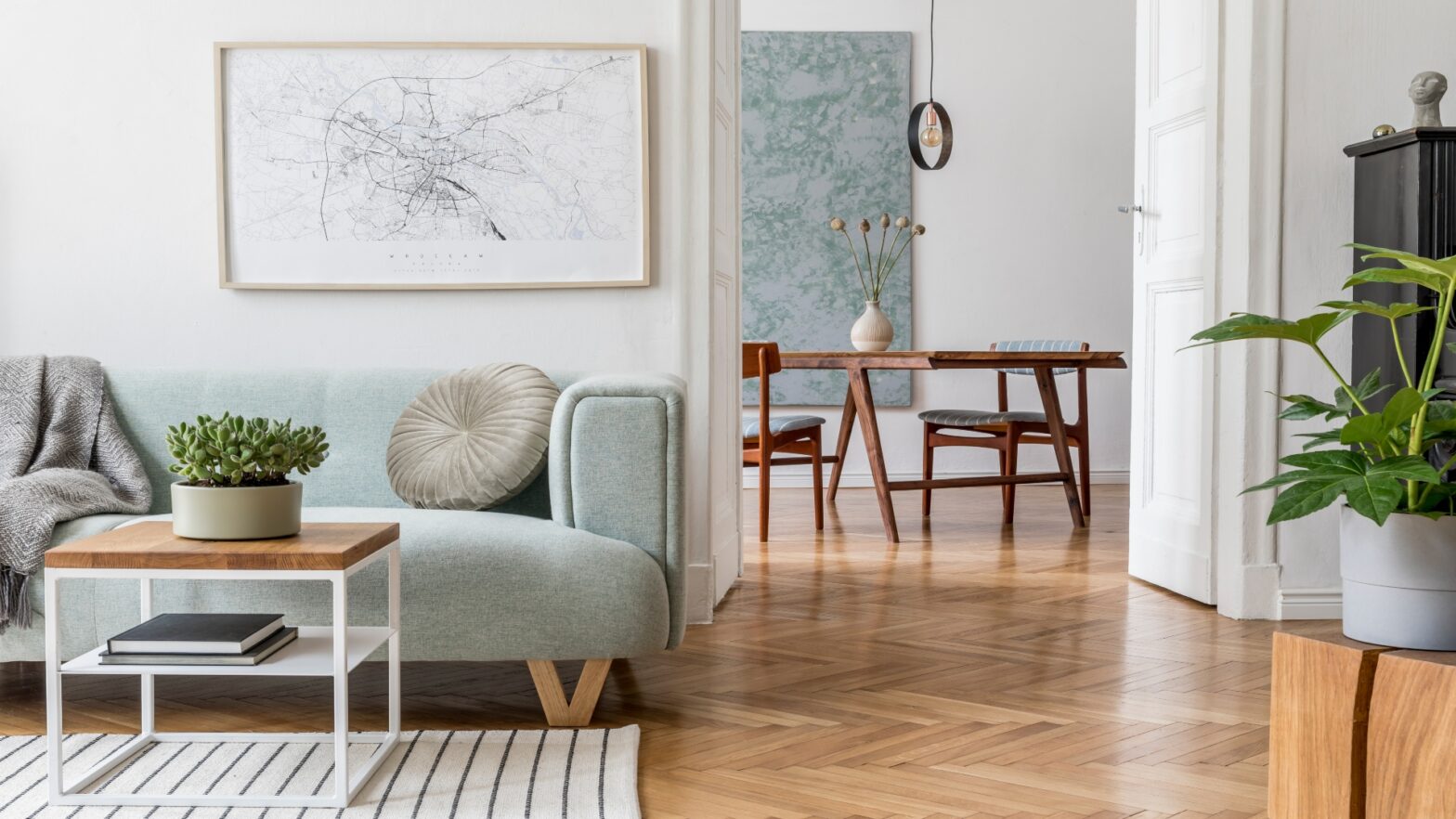
Colour is the quickest way to adjust the mood. Neutral colours remain a popular choice for entryways as they create a calm and cohesive visual experience. Warm whites, greige, sand, and muted stone tones offer a serene backdrop for bolder materials. Darker hues, like charcoal or ink blue, can be used on one wall to add depth without shrinking the room. The palette should feel effortless but intentional, supporting both natural light and warm artificial lighting. These shades also make it easier to incorporate iconic design pieces like De Sede ones without visual noise.
Why High-End Foyers Always Start With the Right Materials
Materials tell stories long before furniture does. Marble Poliform consoles, brushed metal frames, smoked glass surfaces, and fine woods such as Canaletto walnut instantly raise the level of sophistication. Leather details, whether in trays, bench seats, or handles, add a tactile layer that feels both modern and welcoming. The goal is to mix textures that complement each other, creating a foyer that looks curated and feels luxurious. Even simple choices like a textured wall finish or a stone-look ceramic floor can lend depth and visual interest.
A Refined Entryway Needs Layered Light, Not Brighter Light
The lighting in an entryway can transform the space. Natural light should be enhanced wherever possible using reflective surfaces, strategically placed mirrors, and clean window treatments. Artificial lighting should be warm and layered: think of a soft glow from a table Kundalini lamp, a pair of wall sconces, or thin LED strips that illuminate architectural features. Adjustable spotlights can highlight artwork, while dimmers allow the ambiance to shift from daytime brightness to evening intimacy. The right lighting helps create a welcoming mood from the moment the door opens.
The Unexpected Value of Empty Space
In contemporary luxury design, empty space is never wasted space. A foyer packed with furniture feels cramped and disorganised, while a more curated layout allows each piece to breathe. Negative space helps the eye to read the room clearly, giving materials, colours, and textures the attention they deserve. This approach is especially important in modern homes where visual clarity is part of the aesthetic language. When the entrance is visually calm, it becomes instantly more sophisticated.
How Luxury Homes Keep Their Entrances Perfectly Organized
A luxury entrance shouldn’t resemble a drop zone for daily chaos. Smart storage solutions like Novamobili are essential: a hidden drawer for keys, a Falper cabinet with a clean front for shoes and bags, or a minimal tray that keeps small objects under control. Design solutions should feel effortless, practical, yet invisible. The goal is to create a space that works hard without looking like it does, supporting daily routines without compromising style. Everything remains accessible yet out of sight.
Adapting the Design Style to Any Type of Home
Every entrance has its own rhythm. Small apartments can rely on slim Arketipo consoles, Fiam mirrors that expand the space, and vertical solutions like tall Catellani&Smith lamps or narrow shelving. Larger homes may benefit from sculptural pieces, generous Gervasoni benches, or even kinetic artworks placed strategically to guide the eye inward. Open-plan layouts often require visual boundaries such as a Paola Lenti rug, a striking light fitting, or a Moroso console that subtly marks the transition from the entrance to the living area. The design should respond to the architecture, enhancing its flow rather than fighting it.
The Entryway as a Luxury Home Signature
A beautifully designed entrance does more than welcome guests; it creates a memorable first impression that reflects a person’s lifestyle, values, and desired atmosphere. Despite its small size, this area has immense expressive power, hinting at warmth, creativity, order, or sophistication. Taking the time to consider this space encourages a more intentional way of living, where your home greets you every day with clarity and style, long before anyone else steps through the door.