


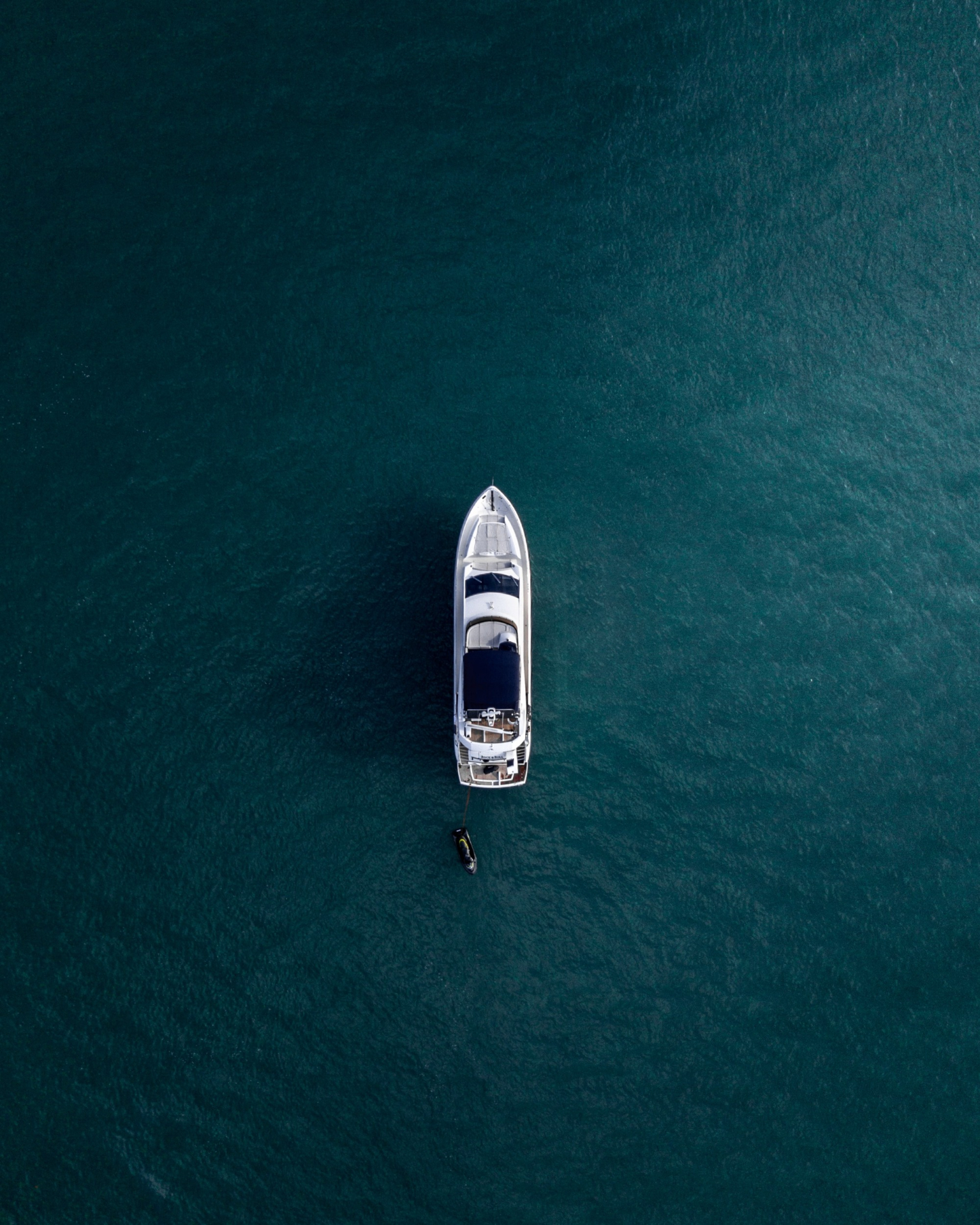




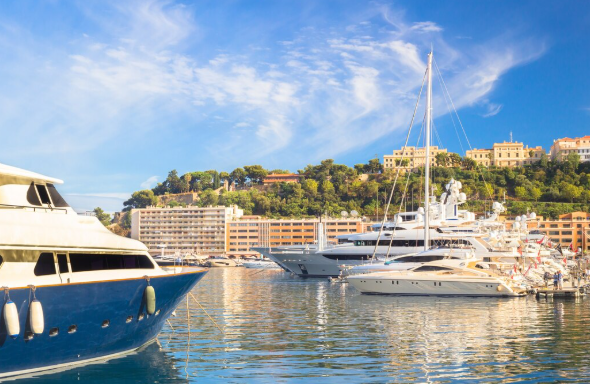
There’s a particular kind of magic that comes with stepping onto a private yacht in the Mediterranean, knowing the next week of your life involves nothing more demanding than choosing between the south of France and the Amalfi Coast. Europe has long been the world’s most coveted yachting playground, and for good reason. The combination of cultural depth, glittering coastlines, and unmatched service onboard makes it the destination every serious charterer wants to experience.
But pulling off a flawless trip takes more than a vague desire to sail somewhere beautiful. Knowing how to book it properly is half the battle.
Key Takeaways
- A crewed superyacht charter in Europe is best booked through a specialist broker who handles yacht selection, contracts, and itinerary planning.
- The Mediterranean season runs roughly May through September, with July and August booking up nine to twelve months in advance.
- Charter fees cover the yacht and crew but exclude fuel, food, drinks, and port fees, paid via an APA of 25 to 35 percent.
- Region, yacht size, and crew dynamic are the three biggest factors in shaping your experience.
- A reputable, MYBA-affiliated broker offers protection, transparency, and access to the full charter fleet.
Why Europe Reigns Supreme for Yacht Charters
Europe’s yachting scene is the most developed in the world. The Western Mediterranean, including the French Riviera, Italian Riviera, Sardinia, Corsica, and the Balearics, hosts the largest concentration of luxury charter yachts on the planet during summer.
Further east, Croatia, Greece, Montenegro, and Turkey offer a different rhythm. Quieter anchorages, ancient ruins, and warm island waters make for slower, more exploratory itineraries.
For the truly adventurous, Northern Europe has emerged as a serious option. The Norwegian fjords, Scottish lochs, and Baltic islands each offer something the Mediterranean simply cannot.
Picking Your Region First
Before anything else, settle on where you want to go. The “where” shapes nearly every other decision: yacht type, crew profile, dining style, and budget.
If you want vibrant nightlife and easy island hopping, the French Riviera and Balearics make sense. For history and food at a slower pace, Italy and Croatia win. For dramatic landscapes and pure escape, Scandinavia delivers.
Your timing matters too. June and September often offer the best balance of weather and availability, while peak July and August bring crowds and premium pricing.
Working with a Specialist Charter Broker
This is where most first-time charterers underestimate the importance of who you book through. A reputable charter broker is not a salesperson. They are an advisor with deep knowledge of every yacht in the fleet, its crew, its strengths, and its quirks.
Brokerages like Ocean Independence operate globally with offices across Europe and decades of experience pairing clients with the right vessel. Working with an established firm means access to a curated fleet, transparent pricing, and a single point of contact who handles the logistics from contract to disembarkation.
A good broker will ask about your group dynamic, dining preferences, activity interests, and pace of travel before recommending yachts. They negotiate on your behalf, structure the contract, and stay reachable throughout the trip if anything needs adjusting.
Understanding the Real Cost
Charter pricing can look intimidating until you understand how it works. The base rate is the weekly fee for the yacht and its crew, ranging from around €40,000 per week for a smaller motor yacht to over €1 million per week for the largest superyachts.
On top of that, you pay an APA (Advance Provisioning Allowance), typically 25 to 35 percent of the base fee. The APA covers fuel, food, beverages, port fees, dockage, and any special requests, with the captain providing a full accounting at the end of the trip.
VAT applies depending on the cruising country, often around 20 to 22 percent in EU waters. A crew gratuity of 5 to 15 percent of the base fee is also customary at the end of a successful charter.
Choosing the Right Yacht
Yacht selection comes down to four things: size, style, crew, and amenities. A 30-meter motor yacht handles a family of eight beautifully. A 60-meter superyacht delivers a different scale of experience entirely, often with a beach club, gym, multiple tenders, and a full water toy collection.
Sailing yachts appeal to those who want a quieter, more elegant experience and don’t mind a slower pace. Motor yachts dominate the European charter market for their speed, stability, and onboard space.
Crew chemistry matters more than people realize. The captain sets the tone, the chef shapes the trip, and the interior team creates the daily rhythm. A good broker will steer you toward crews known for matching your travel style.
Designing Your Itinerary
Once the yacht is booked, the captain and broker work with you to plan the route. Most weeks balance lively port stops with quiet anchorages, and the best itineraries leave room for spontaneity.
In the South of France, that might mean a morning in Cannes, lunch anchored off the Îles de Lérins, and dinner in Saint-Tropez. In Croatia, the rhythm shifts to konobas in tucked-away coves and afternoon swims in the Pakleni Islands.
If celebrating onboard is part of your plan, a few smart yacht party tips can elevate the experience from memorable to unforgettable. The crew will handle execution, but bringing your own ideas helps shape what they deliver.
Booking Timelines and Contracts
Peak summer weeks book early. For July and August in the Mediterranean, serious inquiries should start nine to twelve months out. Shoulder season weeks offer more flexibility, sometimes available as little as two to three months in advance.
The standard charter contract used in Europe is the MYBA agreement, recognized industry-wide. It outlines the charter fee, APA, delivery and redelivery ports, insurance terms, and cancellation conditions.
Once signed, a 50 percent deposit is typically due, with the balance and APA paid roughly a month before embarkation. Travel insurance and cancellation cover are worth considering for peace of mind.
What to Expect Onboard
The crewed experience is what separates a yacht charter from any other form of travel. The captain handles navigation and safety, the chef caters every meal to your group’s preferences, and the deck and interior teams ensure everything runs invisibly in the background.
Standards on European charter yachts are extraordinary. Many crews come from luxury hospitality backgrounds, and chefs frequently hold Michelin-level pedigrees.
Communicate openly with the captain at the start. The more honest you are about your expectations, the better the trip becomes.
Final Thoughts
A European superyacht charter is one of those experiences that lives up to the imagination. The water, the food, the freedom to wake up somewhere new each morning, all of it amounts to a kind of luxury that’s hard to replicate anywhere else.
Book early, choose your broker carefully, and be honest about how you want to spend the week. The rest tends to take care of itself.
FAQ
How much does a crewed superyacht charter in Europe cost? Base rates start around €40,000 per week for smaller yachts and exceed €1 million per week for large superyachts. Add roughly 30 percent for APA, plus VAT and a crew gratuity.
How far in advance should I book? For peak summer in the Mediterranean, nine to twelve months out is wise. Shoulder season can sometimes be booked two to three months ahead.
What’s included in the charter fee? The yacht, the crew, insurance, and standard equipment. Fuel, food, beverages, port fees, and special requests are paid through the APA.
Do I need a broker, or can I book directly? A specialist broker offers vetted yachts, contract protection, and on-call support. Booking through one usually costs you nothing extra and protects your interests.
Is a crewed charter better than bareboat? For superyachts in Europe, crewed is the only realistic option. Bareboat charters apply to smaller sailing yachts and require the charterer to hold appropriate licenses.