




What if the best way to fall in love with a French city wasn’t a museum, a restaurant, or a wine tasting, but simply walking through its streets with someone who genuinely loves the place?
Bordeaux is one of those cities that rewards slow travel. It has the architecture, the riverside, the food culture, and the wine heritage that deserve more than a rushed afternoon. But arriving somewhere new and knowing where to begin can feel overwhelming, especially in a city this layered.
That’s the problem a good walking tour solves, and in Bordeaux, it can shape the entire tone of your trip from day one.
Why Bordeaux Deserves More Than a Day
Bordeaux attracts visitors from across Europe, the United States, and beyond with its elegant architecture, renowned wine culture, and relaxed atmosphere. It manages to feel genuinely grand without ever becoming overwhelming.
The old city is a UNESCO World Heritage Site. The waterfront along the Garonne is one of the most beautiful urban riversides in France. The dining scene ranges from traditional bistros to Michelin-starred restaurants. And the wine region stretches right from the city’s doorstep.
It’s a lot to take in. Starting with a walk that gives you the shape of the city, its neighbourhoods, its history, and its rhythm, makes everything that follows make more sense.
What a Walking Tour Actually Does for Your Trip
There’s a version of city tourism where you arrive, check your list of sights, tick them off, and leave. And there’s another version where you actually understand the place you’re in.
A good walking tour does the second thing. It builds context. By the end of a couple of hours on foot, you know:
- Which neighbourhoods feel like locals actually live there
- Where the architectural highlights are and why they look the way they do
- What the city’s history shaped, the wine trade, the grand boulevards, the darker chapters
- Which streets and squares are worth coming back to later in the trip
That context is what makes a trip feel complete rather than surface-level. You stop wandering aimlessly and start exploring with intention.
Why Free Walking Tours Work So Well
The free walking tour format has grown significantly in popularity across European cities, and for good reason. No upfront cost means no obligation. You show up, see if the guide and the group feel right, and tip at the end based on the value you received. That dynamic tends to attract guides who are genuinely passionate rather than simply going through a script.
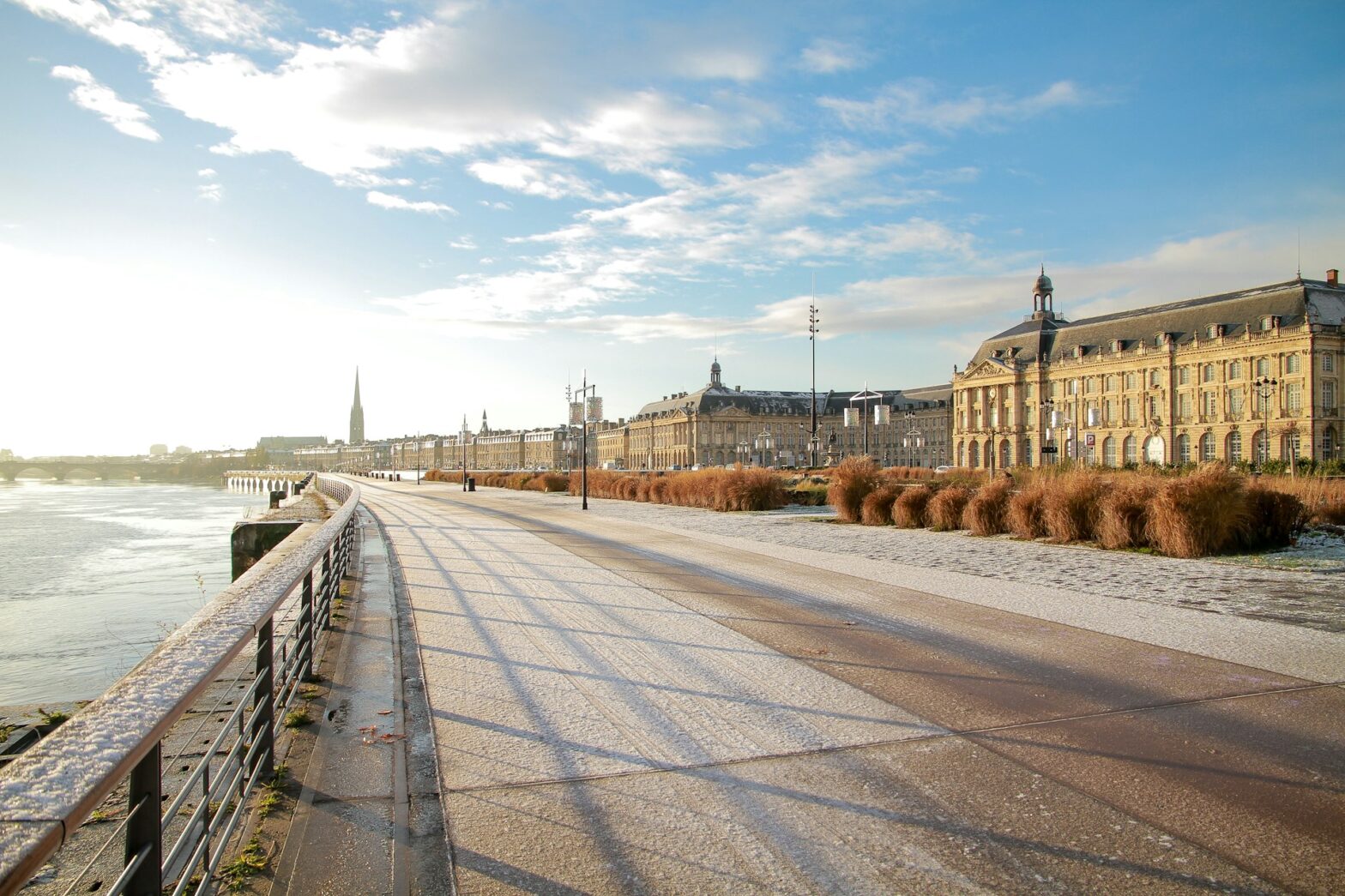
Bordeaux Free Walking Tours operates on exactly this model, covering the city’s key highlights, from the Place de la Bourse and its famous mirror pool to the Chartrons district and the historic quays, with guides whose enthusiasm for the city comes through naturally.
The approach works well because you’re getting a local’s reading of the city, not just a rehearsed list of facts. Those details, the story behind a particular building, the neighbourhood that changed character, the hidden square tourists walk past every day, are what you actually remember.
The Best Time to Do It
Experienced travelers tend to take a walking tour on their first full day in a new city. The logic is simple: everything you learn on that tour becomes the foundation for the rest of your trip.
You’ll walk past a wine bar and remember the guide mentioning it. You’ll find yourself in a square you’d only recognise because you passed through it on foot the day before. You’ll have an instinct for the city’s geography that no amount of map-reading gives you.
Do it too late in the trip, and you’re getting a tour of places you’ve already visited, but without the depth that would have changed how you experienced them.
What Comes After the Walk
One of the quiet pleasures of a good walking tour is the conversation it generates. After two hours with a guide who knows the city, you’ll have a mental list of things you want to go back to:
- The wine merchant in Chartrons that the guide mentioned in passing
- The restaurant tucked off the main square
- The viewpoint that isn’t in the guidebook
Bordeaux rewards that second layer of exploration. The walking tour opens the door; the days that follow let you walk through it properly.
A City That Earns Its Reputation
Bordeaux has evolved significantly over the past two decades. What was once considered a fairly sleepy provincial city has become one of France’s most praised urban destinations, with investment in transport, culture, and the waterfront transforming the experience for visitors.
But what hasn’t changed is the quality of the historic core and the quality of the food and wine culture around it. These are genuine, not manufactured. And the best way to access them, especially early in a trip, is on foot, with someone who knows where to look.
Conclusion
A walking tour isn’t a tourist activity. It’s a tool for understanding a place. And in Bordeaux, where the history runs deep and the neighbourhoods each have their own character, starting your trip with a walk through the city changes the quality of everything that follows.
It gives you context for the landmarks, stories behind the streets, and a better sense of how the city fits together. Whether you’re visiting for a weekend or a longer stay, that perspective makes every experience more meaningful.
Get the lay of the land on day one. Everything else will feel richer for it.