






By Paul Stannard, chairman and founder of Portugal Pathways
Portugal has been transformed over the last two decades from a struggling, underdeveloped economy requiring international bail outs into Europe’s new lifestyle darling. It’s now viewed as being synonymous with elegance and an aspirational lifestyle. And it’s achieved this through maintaining its cultural authenticity, implementing strategic policies to attract global investment and tapping into a growing realisation of just how attractive the lifestyle is.
And what makes it so attractive? The relaxed way of life plays a big role, and let’s face it, with 300+ days of sunshine a year, the weather definitely has appeal. Then there’s the incredible beaches, beautiful cities and unspoiled countryside. It all adds up to an alluring prospect, which, when coupled with a country characterised by a distinct ‘slow living’ ethos, makes it particularly attractive to people focused on personal wellbeing and a favourable work/life balance.
A policy-driven approach to inward investment
Much of the credit for this transformation should go to the Portuguese government. It has actively implemented policies aimed at attracting global residents and investors through favourable tax and investment incentives and relatively painless residency pathways. And the impact of those policies is evident in the revitalised neighbourhoods, restored historical buildings, economic growth and regeneration happening across the country thanks to significant inward investment.
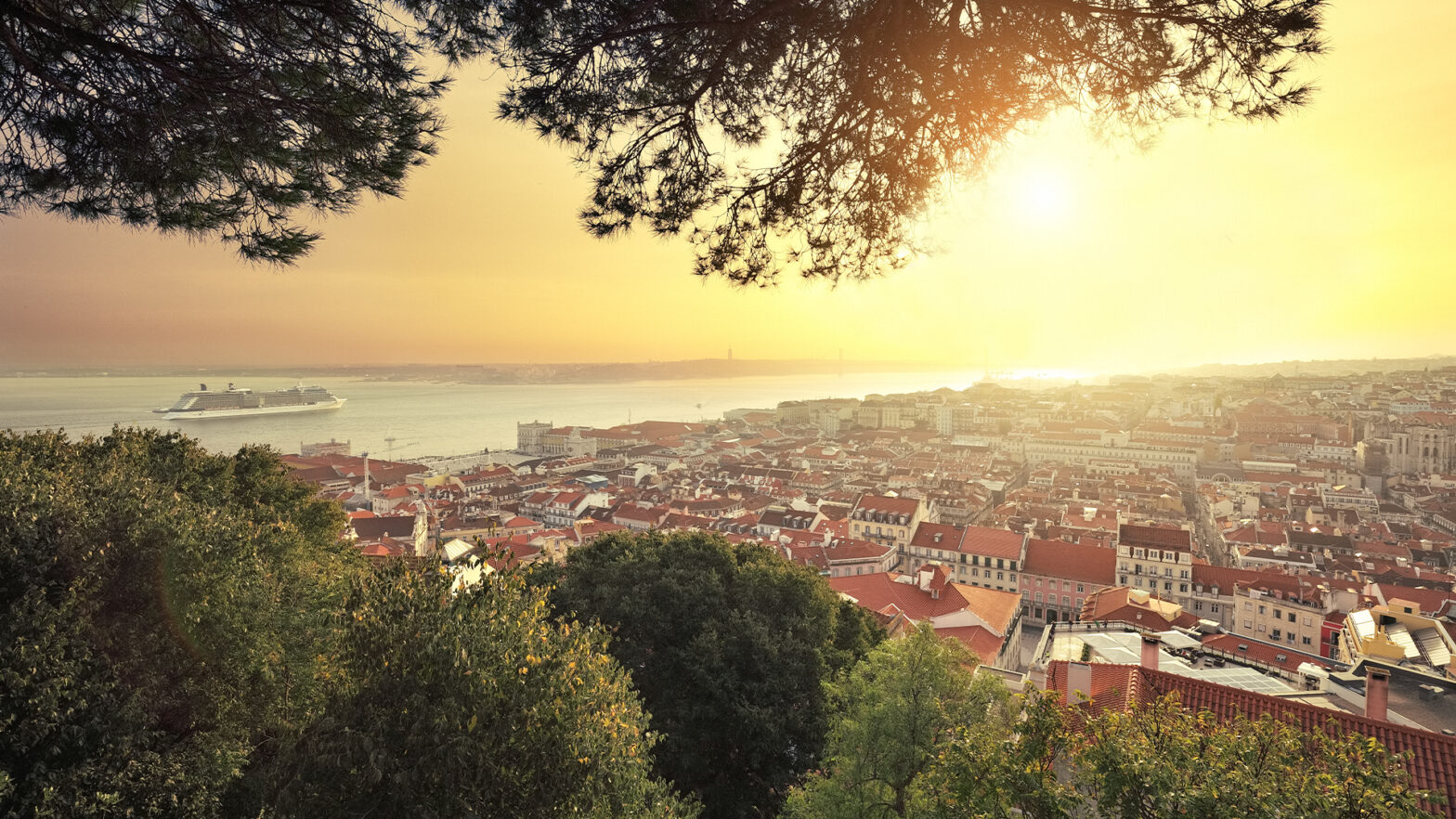
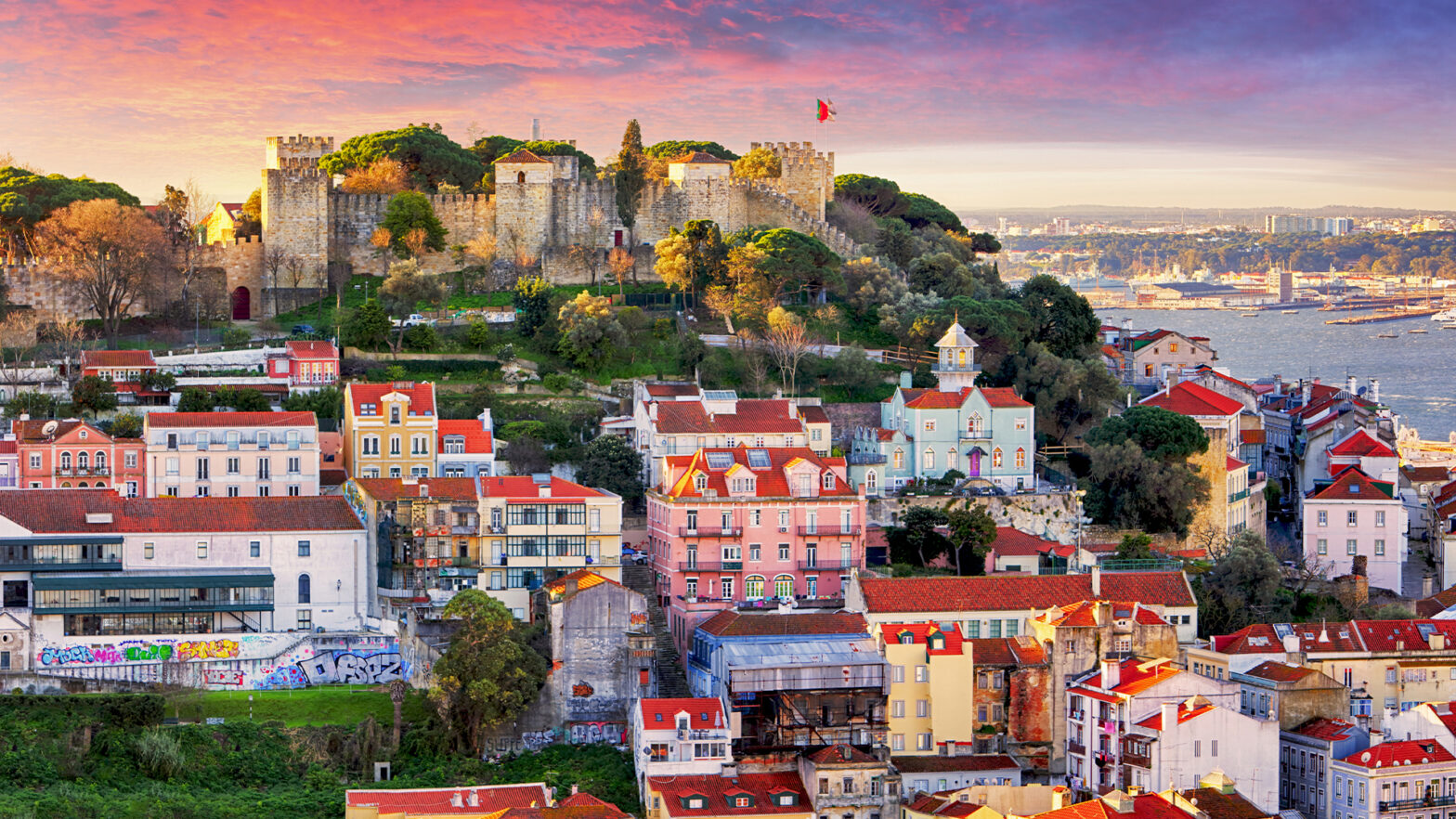
Portugal has pulled off the difficult trick of modernising without losing its unique appeal or erasing its heritage and soul. Metropolitan areas like Lisbon and Porto have managed to seamlessly introduce innovation without destroying their original architecture and charm. They’re now locations filled with design-forward hospitality venues, boutique hotels, concept stores and a restaurant scene that effortlessly combines a reinterpretation of tradition with contemporary flair. In essence, Portugal has managed to keep its distinct identity; while ensuring it offers everything needed for 21st Century living.
In an era of wellness destinations, Portugal has much to offer. Those looking for a relaxation can choose from a wide range of options, from yoga and nature-immersive retreats to thermal spas and surfing hotspots. It’s a location and culture that carries a lot of emotional appeal thanks to the safety, friendliness and sense of belonging experienced by many of those who have settled there.
A digital infrastructure designed for flexible living
And when it comes to a desirable work/life balance, Portugal has worked hard to implement a digital infrastructure designed to support flexible living and enable remote working. Lisbon has a thriving tech scene that’s become a magnet for developers, entrepreneurs and tech professionals. It’s emerging as one of the globe’s more dynamic tech hubs and is drawing in startups and major international corporations from around the world. And in an era of digital nomads, developments like Madeira’s remote-work villages, which combine co-working and living facilities, provide a peaceful environment and a community of likeminded individuals equipped with the digital infrastructure to encourage and facilitate remote working.
Outside of work, Portugal is increasingly being recognised as a centre of gastronomic excellence. A new generation of chefs is transforming Portuguese cuisine from the rustic to the globally celebrated. Local chefs are reimagining traditional ingredients and elevating them to fine dining standards, which is reflected in the emergence of more than 30 Michelin-starred restaurants across the country in recent years. And let’s not forget the wine, either. Portugal’s wine culture is undergoing something of a renaissance and gaining global recognition for its quality and value.
Diverse regions supporting diverse life choices
Aside from the wine renaissance, there’s what many refer to as a ‘regional renaissance’ too. There are multiple emerging lifestyle hotspots outside of the metropolitan areas. Comporta and Melides are becoming renowned for their minimalist luxury and rural chic, while the Alentejo coast is hugely popular thanks to its wild beauty and slow-paced living. The quieter areas of the Algarve, which has long been a tourist hotspot, are now attracting increasing numbers of people, while the Azores offers superb eco-tourism opportunities. All of which suggests that whatever lifestyle people want, Portugal and its diverse regions will have something that’s ideal for them.
For many, it’s all about the Portuguese vibe
We’ve looked at some of the tangible reasons why Portugal is such a desirable location, but what about the intangible factors? Vibe is a much-overused term these days, but many of those who visit and settle in Portugal are struck by its vibe. They claim there’s a distinct feeling of warmth and hospitality from its people and way of life. It’s a feeling that lingers long in visitors’ consciousness, alongside a sense of nostalgia and optimism that truly sets it apart from other European destinations.
The question is; however, can Portugal maintain its dominance as a destination of choice? Preserving local authenticity is crucial, but it needs to be balanced alongside a drive to attract more international visitors. The key to its continued success will lie in encouraging sustainable development capable of delivering growth and opportunity, while preserving Portugal’s unique cultural identity. Huge investment has gone into providing the 21st Century infrastructure and economic opportunities that have helped to increase its appeal. Portugal’s challenge now is to continue that evolution without losing the cultural identity that made it so special in the first place.