




By Thery Jean Christophe, founder of MusaArtGallery, an online art gallery specialising in modern, abstract and statement wall art for contemporary interiors.
Wall art is becoming far more than a finishing touch. In today’s most considered interiors, it is often the element that gives a space its identity.
The growing interest in abstract compositions, cultural influences and large statement pieces reflects a wider shift in the luxury lifestyle market. People are moving away from choosing artwork simply because it matches a sofa or fills an empty wall. Instead, they are looking for pieces that create emotion, start conversations and reveal something about their personality.
The most successful interiors now feel collected rather than coordinated. Artwork plays an important role in creating that sense of individuality.
Abstract Art with Emotional Impact
Abstract art remains one of the strongest trends in contemporary interiors, largely because it gives the viewer space to form a personal interpretation.
Rather than depicting a recognisable scene, an abstract piece can communicate through colour, movement, texture and composition. A dramatic artwork may bring energy to a social space, while softer forms and muted tones can create a calmer atmosphere in a bedroom, retreat or private lounge.
Within luxury interiors, there is also growing interest in abstract work that feels expressive and imperfect. Visible brushstrokes, layered surfaces and organic shapes can add warmth to spaces that might otherwise feel overly controlled.
The key is to choose a piece based on the feeling it creates, not only on whether its colours complement the room. An artwork that produces an immediate emotional response is more likely to remain meaningful as personal tastes and lifestyle trends change.
Cultural Influences and a Sense of Story
Art influenced by different cultures, traditions and landscapes is also becoming increasingly prominent.
Japanese minimalism, Mediterranean colours, African-inspired patterns and classical European references are all appearing in contemporary collections. When approached thoughtfully, culturally influenced artwork can bring depth and a sense of discovery to an interior.
Travel is often closely connected to these choices. A piece may remind someone of a favourite destination, a memorable retreat or an important period of their life. Others may choose artwork that reflects their family background or an artistic tradition they have always admired.
However, cultural artwork should not be selected simply because it is fashionable. The strongest choices usually have a genuine connection to the owner. Understanding the story, symbolism or inspiration behind a piece makes it feel more personal and prevents it from becoming a temporary decorative trend.
The Rise of Statement Artwork
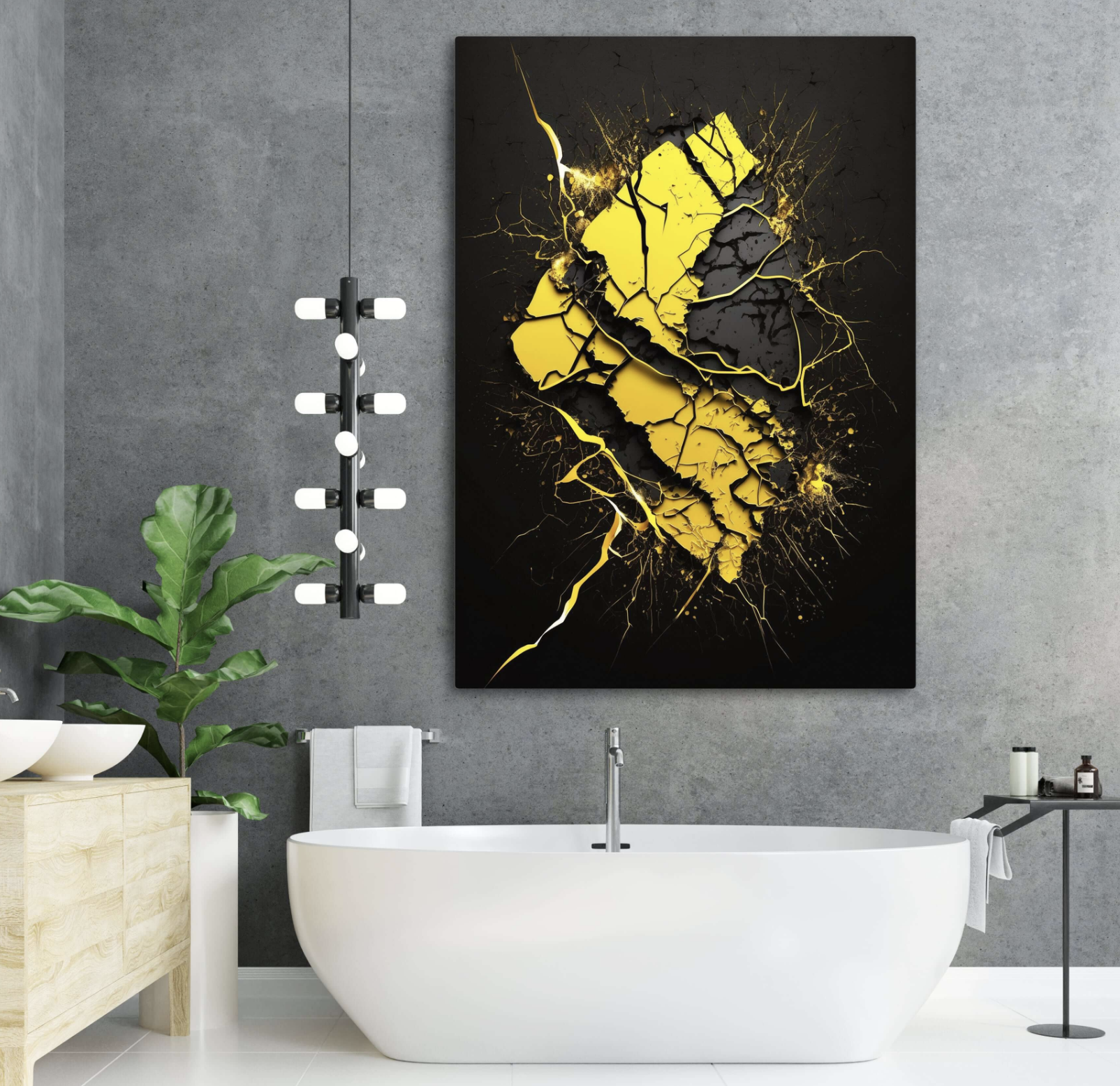
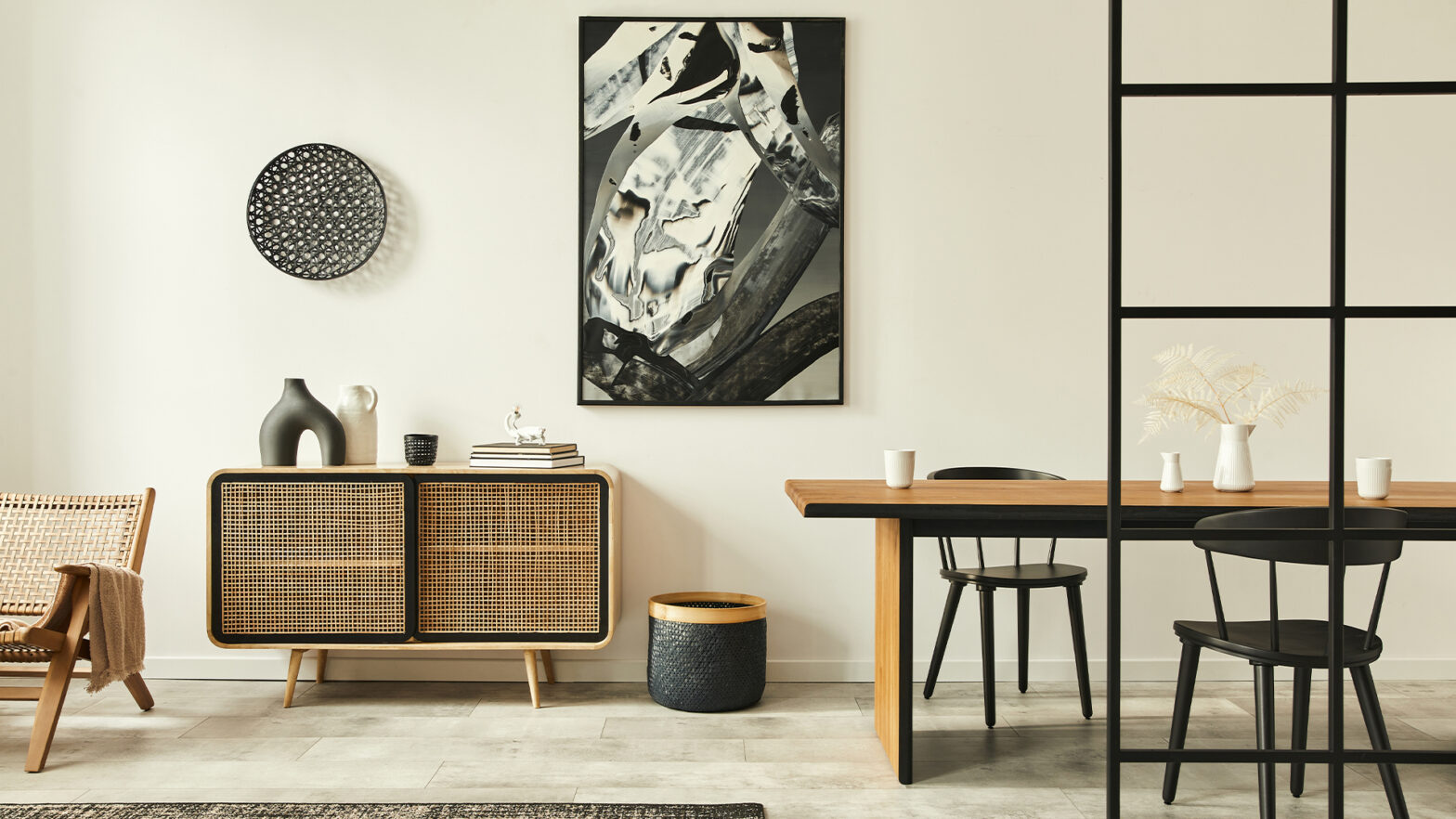
Large-scale wall art is increasingly being used to define a room with one confident gesture.
A single oversized artwork can create a stronger impression than several smaller pieces competing for attention. It immediately establishes a focal point and allows the surrounding space to feel simpler and more intentional.
Statement art works particularly well in spacious living areas, hotel entrances, dining spaces and bedrooms with large uninterrupted walls. It can also transform smaller rooms when the piece is chosen carefully. Contrary to the idea that small spaces require small artwork, a generously sized canvas can make a compact room feel more complete and visually ambitious.
Scale is important, but a statement piece does not always need to be loud. A minimalist composition in a large format can be just as powerful as a colourful or highly detailed work. The impact comes from confidence, proportion and placement.
Art That Feels Personal
One of the most noticeable changes in the art and lifestyle market is the move away from purely decorative purchasing.
People increasingly want to understand why they are drawn to a particular image. It may reflect an emotion, memory, aspiration or part of their identity. A carefully chosen artwork can say something about the person who lives with it without needing an explanation.
When selecting a piece, it can help to ask a few simple questions. Does the work create an immediate reaction? Would it still feel meaningful in a different home? Is it being chosen because it is genuinely loved, or simply because it fits a current colour palette?
Artwork should complement an interior, but it does not need to match every surrounding element. In many cases, a slight contrast creates more character. A bold contemporary work can bring energy to a restrained setting, while a quiet landscape or minimalist composition can provide balance in a more expressive space.
Art as a Meaningful Gift
Wall art is also gaining popularity as a luxury gifting choice, particularly for weddings, anniversaries and new homes.
Unlike many lifestyle gifts, artwork has the potential to become part of someone’s daily environment for years. The most successful art gifts are usually connected to a shared memory, destination, colour preference or personal interest.
Because taste in art is highly individual, it is important to consider the recipient carefully. Choosing something meaningful is more valuable than selecting a piece solely because it appears expensive or impressive.
Choosing Beyond the Trend
Trends can provide inspiration, but they should not determine the final decision.
Abstract art, cultural storytelling and statement-scale pieces are shaping modern interiors because they allow people to express themselves more freely. Their appeal lies not only in their visual impact, but in their ability to make a space feel lived in, distinctive and emotionally connected to its owner.
Luxury is increasingly defined by individuality rather than uniformity. The right artwork does not simply complete a room. It gives the space a story.