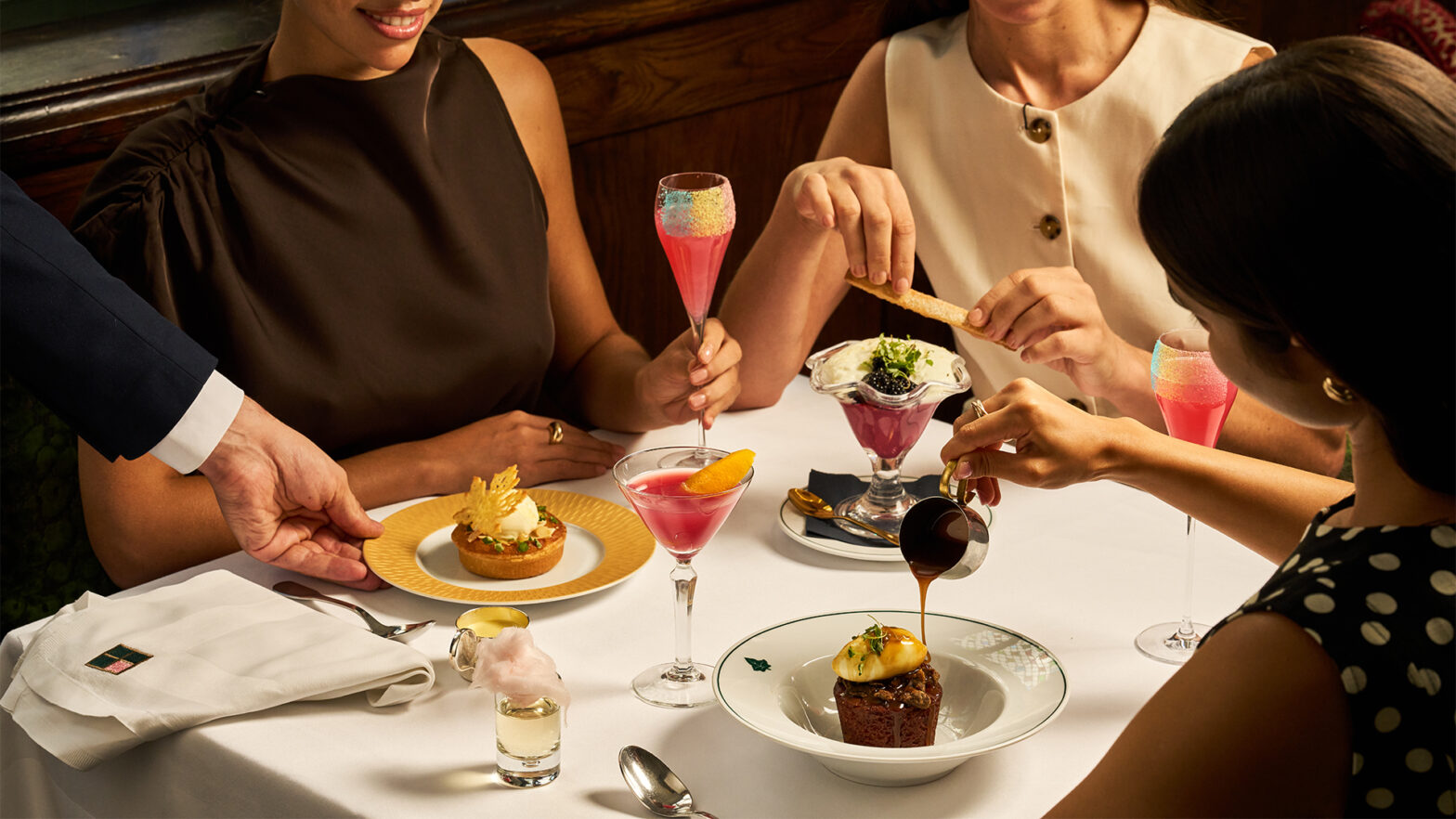






In 2026, a fine dining POS system should remove friction from ordering and coursing while keeping the server’s attention on you, not on a screen that interrupts conversation at your table. Nothing about the meal should feel rushed, and the terminal should stay out of sight until you ask for the bill.
Before getting into what each system does well in a working dining room, here is the short version: fit, strengths, and starting price.
| TechnologyBest useAdvantagesConsiderationsStarting price | ||||
| SpotOn Restaurant POS | Tableside service | Complex modifications, coursing, and handheld ordering | Configuration-dependent | Custom packages; qualifying options from $0 upfront |
| Toast Restaurant POS and Toast Tables | Connected reservations | Coursing and table management | Hardware and add-ons cost extra | Eligible plans from $0 or $69/month |
| Square for Restaurants | Smaller dining rooms | Compact hardware and an accessible entry point | Test service exceptions | US $0, $49, or $149 per location monthly |
| Lightspeed Restaurant | Restaurant groups | Inventory ecosystem and central menus | Configuration-dependent | Tailored quote |
| TouchBistro Restaurant POS | iPad service | Floor plans and offline ordering | Optional modules cost extra | Software from $69/month |
| 7shifts Restaurant Scheduling | Labor planning | Scheduling and sales forecasting | Advanced tiers cost more | Free; paid plans from $44.99/location/month |
| OpenTable for Restaurants | Guest recognition | Booking distribution and table management | Booking-source fees | Market-dependent subscriptions and cover fees |
Published starting prices do not reflect complete operating costs. Get local quotes that include processing and hardware.
What a fine dining POS system should make invisible
Discreet hardware matters, but the quieter work happens in the configuration: complex modifiers, course holds and firing, table and seat tracking, kitchen routing, and tableside payment. It is also worth asking whether reporting can flag service bottlenecks. That is how you learn that the fourth course runs late every Friday.
The right POS supports the room’s service model and stays out of the guest’s way while doing it.
Operators who have lived through a rollout offer two warnings. First, distinguish native features from optional first-party modules and third-party integrations. “Included” does not mean the same thing on every pricing page. Second, rehearse the complete configuration, including an unexpected mid-service internet outage. Nobody budgets for that failure.
Technology shaping the dining room
The goal is fewer trips to the terminal. Pick whatever addresses your main pressure point, whether that is holding the fish course or getting the check to table twelve before the theater crowd stands up to leave.
SpotOn Restaurant POS
SpotOn’s Fine dining POS system pairs discreet handheld ordering and payment with complex modifications and coursing, so servers can finish an order without leaving the table. The kitchen receives clear seat-level instructions while the guest sees nothing of the machinery. Table management handles pacing. When the connection drops, automatic offline mode keeps configured devices running, and support is available 24/7. It fits chef-driven rooms best, though you should confirm hardware and processing terms before signing.
Toast Restaurant POS and Toast Tables
Connected reservations and seat assignments nearly eliminate the host-to-kitchen relay. As of April 21, 2026, Toast Tables also allows guests to prepay for optional wine pairings or flowers attached to a reservation, with the cost added to the POS check. In a reservation-led room, pressure-test the seat-based coursing first.
Square for Restaurants
Compact hardware ties tableside payment to online sales, and the entry price will tempt smaller rooms. The catch is service exceptions. Before rollout, put check transfers and reopening, split payments, deposits, floor-plan changes, cash reconciliation, and printer routing through their paces. That list is where cheaper systems quietly stop being cheap.
Lightspeed Restaurant
For restaurant groups, the story is data: ingredient costs and purchasing information can flag margin pressure on a dish before you change it. Central menus and consolidated reporting keep a multi-location menu change from becoming a week of phone calls. Confirm which inventory modules and integrations are native and which are add-ons.
TouchBistro Restaurant POS
TouchBistro’s iPad-led setup includes custom floor plans, while TouchBistro One combines ordering, payment, and receipt printing in a single flow. Some workflows continue offline, depending on the configuration. Cloud-dependent functions wait for connectivity, so know which is which before a busy Saturday.
7shifts Restaurant Scheduling
It is not a POS, but a companion. Scheduling combines staff availability with POS-fed sales forecasts, and mobile shift swaps let you close rota gaps before the first seating. Integration depth with your POS varies by tier, so check your plan.
OpenTable for Restaurants
Guest profiles and notes help hosts recognize returning diners, and POS integrations add spending context to each visit. The comparison worth making is local: direct-booking charges versus marketplace cover fees, since the balance differs by market.
Which POS is used in Gordon Ramsay restaurants?
No single POS system is publicly confirmed for every Gordon Ramsay restaurant. Technology can vary by venue and market, so treat any vendor named for one location as a local example rather than a group-wide standard.
How high-end teams stay in sync
Front-of-house and kitchen teams stay aligned when seat details and modifiers travel with course holds and firing instructions directly to configured stations. Calm service starts backstage. At payment, the rule is simple: wait for the guest’s signal, present an accurate check, and stay beside the table while payment is processed.
Luxury measured in fewer interruptions
The strongest restaurant technology gives your team shared information and control without demanding the guest’s attention. Judge it by the evening it supports: courses arriving at the intended pace and a bill settled without breaking a conversation. The final test is simple: dessert plates should be cleared before the handheld appears.