






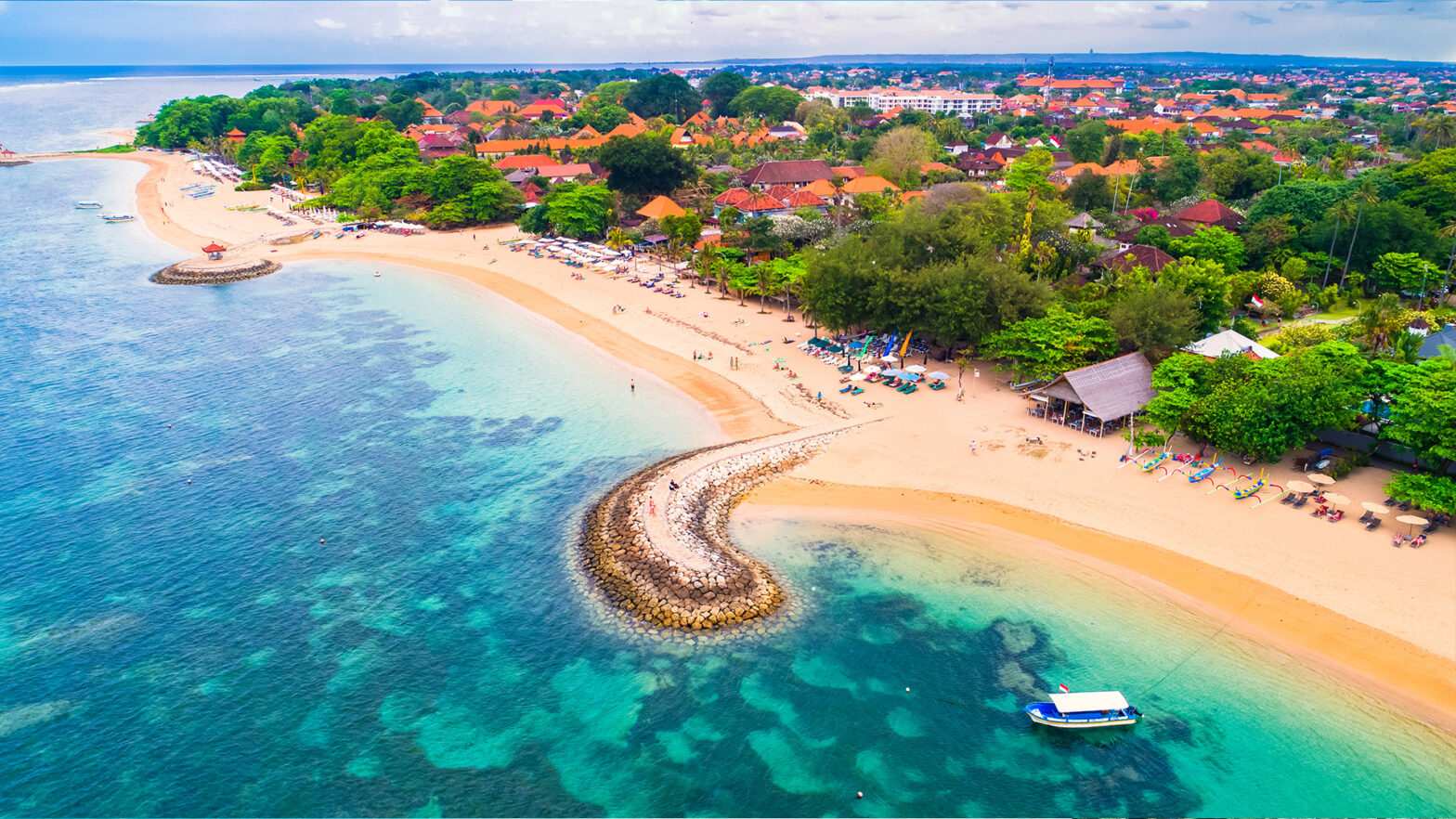
Bali has always been more than a beach destination. For resorts, dive centers, and hospitality operators, it is a living example of how travel decisions are shaped by emotion, confidence, and the promise of meaningful experience. Guests may arrive for temples, sunsets, wellness retreats, or dining, but many extend their stay because the ocean gives them a reason to explore deeper. In that sense, scuba diving in Bali is not only a recreational activity; it is part of the island’s wider hospitality economy.
For Indonesian resort clients and dive operators, the opportunity is not simply to sell another activity at the tour desk. The real opportunity is to understand how underwater experiences influence guest satisfaction, length of stay, local partnerships, and destination loyalty. A traveler who feels well guided before entering the water is far more likely to trust the resort, recommend the destination, and return for a more advanced experience later.
A thoughtful guide to scuba diving around Bali helps travelers understand how different coastlines, marine conditions, and resort locations can shape the entire guest journey before they choose where to stay, dive, or explore.
Why Diving Is a Hospitality Product, Not Just a Water Activity
In Bali, diving begins long before the first descent. It starts with the first inquiry, the hotel recommendation, the transfer timing, the equipment fitting, and the confidence created by the guide or instructor. Guests rarely separate the dive from the service surrounding it. If the transport is late, the briefing unclear, or the staff inattentive, the reef itself may not be enough to save the experience.
This is why dive centers and resorts need to think together. A strong dive operation supports the property’s reputation, while a strong resort supports the diver’s comfort, recovery, and planning. The best guest experiences happen when both sides understand their roles.
- Resorts provide trust, comfort, and continuity.
- Dive centers provide expertise, safety, and local marine knowledge.
- Transport teams provide timing and reliability.
- Hospitality staff provide emotional reassurance and practical guidance.
When these elements align, the guest feels supported rather than sold to.
The Bali Advantage: Variety Within One Destination
One reason scuba diving in Bali, Indonesia, remains attractive is the variety of experiences available within the same island environment. Bali can serve beginners, certified divers, underwater photographers, families, and travelers who simply want to safely and memorably experience the ocean.
Some guests are drawn to calm bays and shallow reefs. Others want wreck diving, drift diving, macro photography, or seasonal encounters with larger marine life. This diversity allows resorts to match the right experience to the right guest profile.
Matching Guests to the Right Ocean Experience
Not every traveler wants the same type of underwater day. A luxury resort guest may value comfort and privacy. A family may need easy logistics. A certified diver may care most about site quality and guide experience. A first-time guest may need patient instruction and calm water.
For hospitality teams, asking better questions makes a big difference:
- Has the guest dived before?
- Are they certified or trying diving for the first time?
- Are they traveling with non-divers?
- Do they prefer comfort, adventure, photography, or marine life?
- Are they comfortable with early departures or longer transfers?
- Do they want diving, snorkeling, or a mixed ocean experience?
This kind of conversation improves satisfaction by avoiding mismatched expectations.
Snorkeling and Diving Should Work Together
Not every guest is ready to dive, and that should not be seen as a lost opportunity. Some travelers prefer snorkeling, especially families, first-time ocean visitors, or guests who want a lighter activity between spa days, cultural tours, or business travel. For many visitors, the best snorkeling in Bali can become the first step toward a future dive course or guided scuba experience.
Snorkeling also helps resorts serve mixed groups more effectively. One guest may be a certified diver, while their partner or children prefer to stay near the surface. A well-designed marine program can include both without making anyone feel excluded.
A Better Ocean Program Is Inclusive
A smart resort or dive center does not treat diving as an isolated product. It builds a menu of ocean experiences that allows guests to progress naturally:
- Easy snorkeling for beginners
- Guided reef tours for families
- Introductory scuba experiences
- Certification courses for motivated travelers
- Fun dives for certified guests
- Private guiding for photographers or luxury clients
This creates a more flexible business model while keeping the guest experience personal and non-pressured.
Trust Is the Most Important Currency Underwater
For a guest, the ocean can feel exciting and intimidating at the same time. Even experienced travelers may feel nervous before diving into a new destination. They may wonder about currents, equipment quality, visibility, marine life, boat safety, or whether the team understands their comfort level.
This is where professionalism becomes visible. Clear communication, calm staff, well-maintained equipment, and honest condition briefings are not small details. They are the foundation of trust.
When guests search for ways to go scuba diving in Bali, Indonesia, they are often looking for more than just a location. They are looking for reassurance that the experience will be safe, organized, and suitable for them.
What Resorts Can Learn From Dive Operations
Dive centers are excellent examples of service businesses operating under pressure. They manage safety, timing, logistics, guest emotions, equipment, environmental conditions, and staff coordination every day. Resorts can learn from this rhythm.
Operational Discipline Creates Better Experiences
The best dive teams are disciplined without making the guest feel controlled. They prepare equipment in advance, plan around conditions, brief clearly, and adjust when needed. This is the same mindset that luxury hospitality requires.
For resort managers, the lesson is simple: the guest experience improves when operational details are handled before guests have to think about them.
Strong coordination can include:
- Accurate pickup times
- Early breakfast options for dive guests
- Towel and storage support
- Clear communication between the concierge and dive partners
- Post-dive dining or spa recommendations
- Flexible planning for weather or sea conditions
These touches are practical, but they often feel premium to the guest.
Sustainability Is Now Part of the Guest Experience
Bali’s marine tourism depends on healthy reefs, responsible guiding, and guest education. Sustainability should not feel like a lecture, but it should be present in every serious ocean experience.
Guests increasingly notice how operators speak about the reef, manage plastic, handle boats, and brief divers or snorkelers on marine life behavior. Responsible operations protect the environment and also strengthen brand credibility.
A resort that works with responsible dive partners sends a clear message: the destination matters, not only the transaction.
The Business Value of a Better Underwater Journey
For hotel owners, dive centers, and Indonesian hospitality businesses, the value of diving is not measured by a single booking. A good underwater experience can influence the entire trip. It can extend stays, encourage repeat visits, generate referrals, and foster a stronger emotional connection to Bali.
The most successful operators understand that diving is part of a broader destination story. It combines nature, service, culture, logistics, and trust into a single memorable experience.
The Future of Bali’s Dive Hospitality
Bali does not need to compete only on price or volume. Its strength lies in the ability to offer accessible, varied, and emotionally rich ocean experiences supported by a mature hospitality infrastructure. The future belongs to operators who combine safety, service, sustainability, and thoughtful guest matching.
For all lux-life readers, the wider business lesson is clear: modern hospitality is built through connected experiences. A hotel room, a dive boat, a guide, a transfer, and a reef may seem like separate parts of the journey, but the guest experiences them as one.
When Bali’s resorts and dive centers work together with that mindset, the island becomes more than a place to visit. It becomes a destination guests trust, remember, and return to.