






Ask anyone who has stayed in villas in Cyprus whether you need a car and they will say yes. Ask someone who spent a week in a hotel on the Protaras seafront and they will shrug. Both are right: whether car hire in Cyprus is essential or a waste of money depends on where you stay and how much of the island you want to see. Here is the honest breakdown for British visitors.
When you can happily skip the car
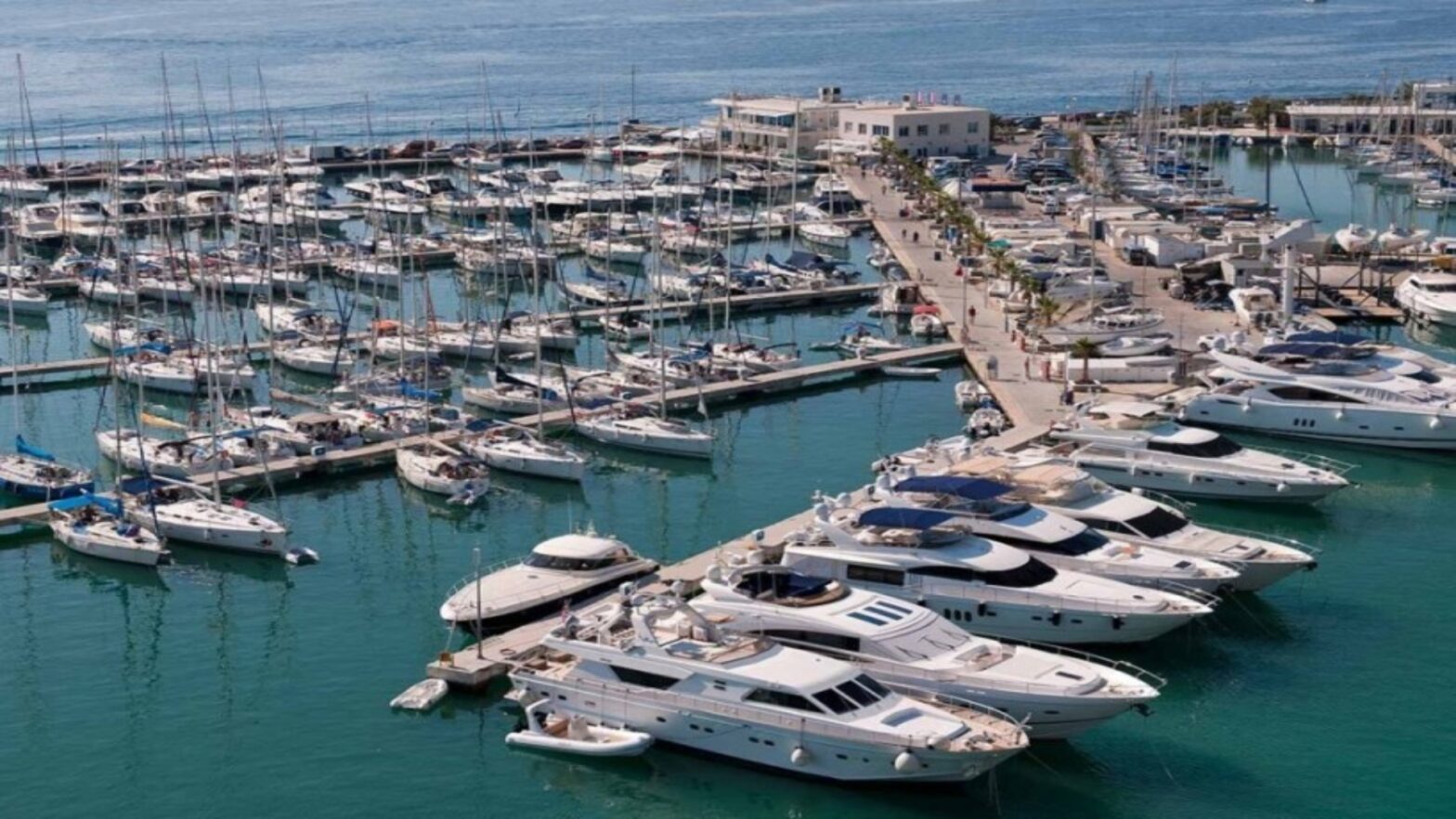
If you have booked a hotel or apartment in the centre of Paphos, Protaras, Ayia Napa or Larnaca and plan to spend most of your time on the beach, you do not need a car. Each resort has a walkable strip of restaurants, supermarkets and beaches, local buses cost a couple of euros a ride, intercity coaches link the main towns, and Bolt works well in Limassol, Larnaca and Paphos.
Organised excursions to the Troodos mountains, Nicosia or the Blue Lagoon pick up from most resorts, and for one or two outings that is cheaper than a week of hire.
When hiring a car in Cyprus is the right call
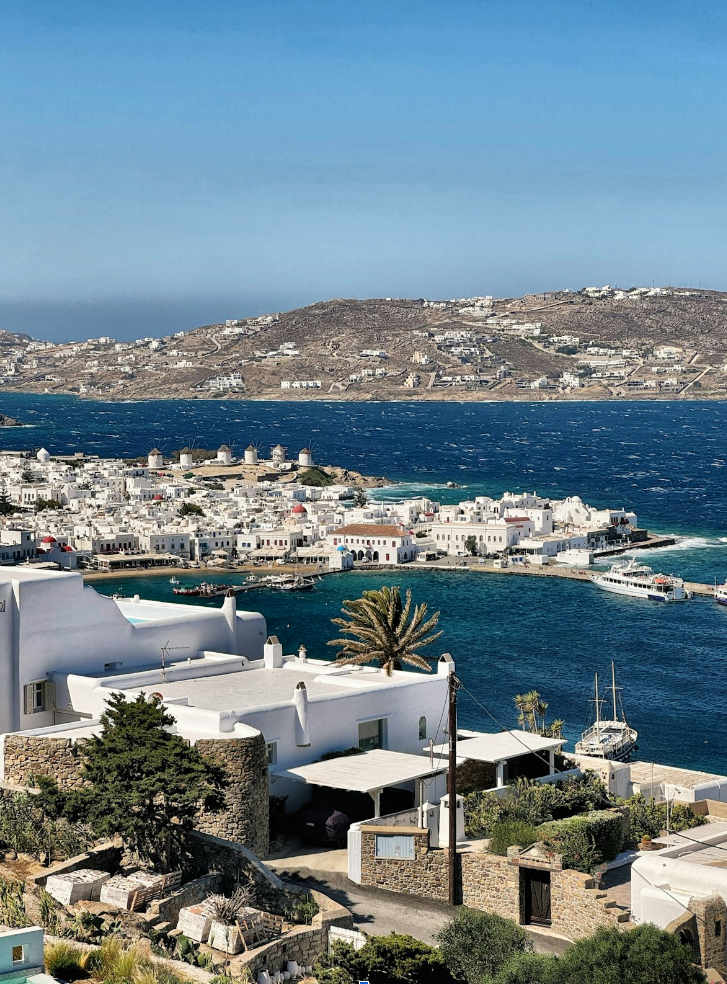
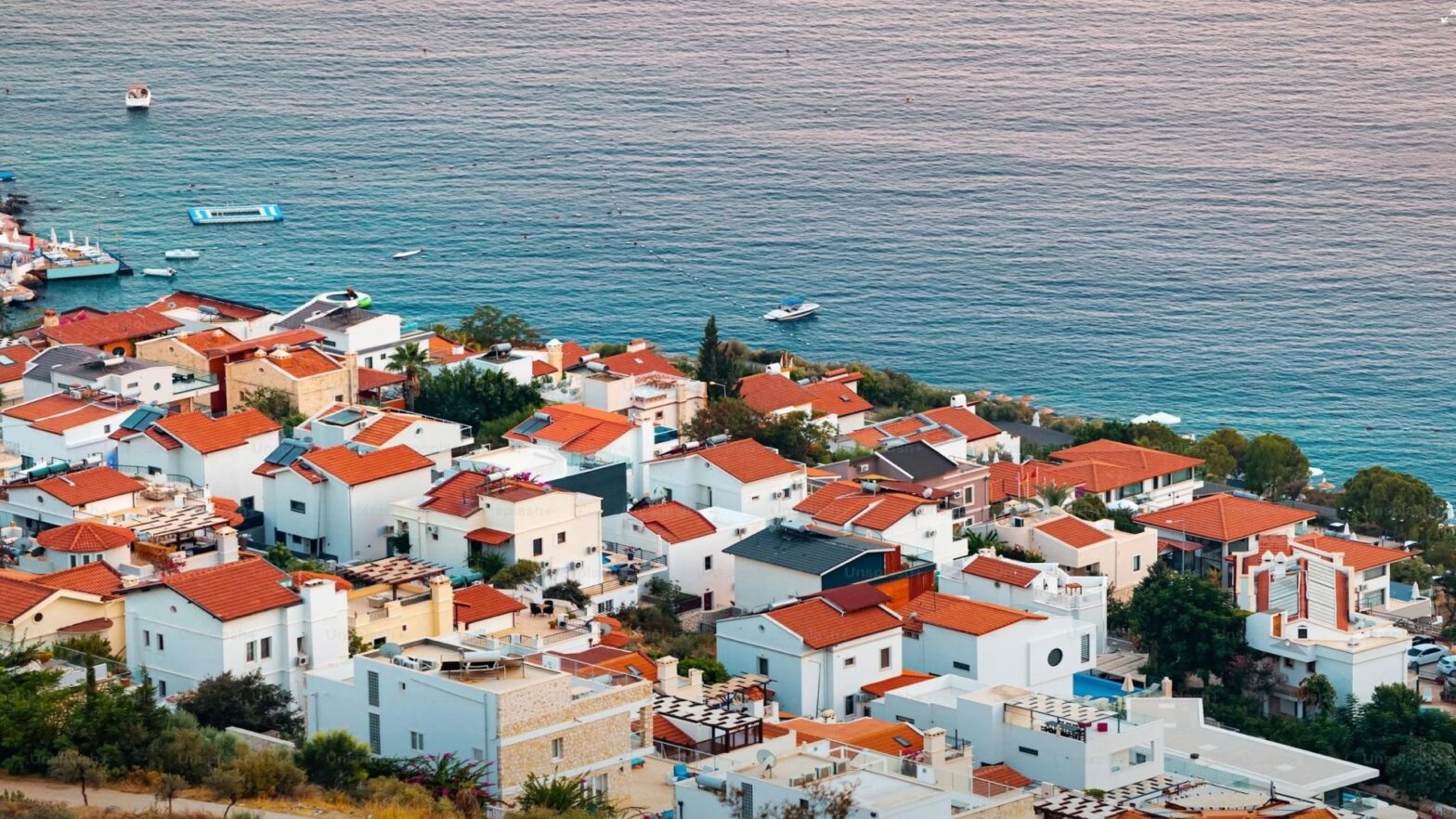
The picture changes if you are staying in a villa. Most private villas sit in quiet residential areas or villages on the edge of resorts: Peyia and Coral Bay above Paphos, the hills behind Latchi, the lanes around Ayia Thekla. Lovely for privacy, but the nearest supermarket may be a 20-minute walk in 35°C heat and the bus may come twice a day. With a car, the villa becomes a base rather than an island.
A car also unlocks the Cyprus that coaches miss: the Akamas peninsula and Lara Bay, the wine villages around Omodos, Avakas Gorge, quiet coves near Pissouri and the mountain villages of Kakopetria and Kalopanayiotis. Families find the freedom to leave when the kids melt down is worth every euro.
Cost is rarely the obstacle. A small automatic booked in advance runs to roughly €25–35 a day in spring or autumn and €40–55 in peak summer. Fuel costs less than in the UK, parking is free outside city centres, and Paphos to Limassol is under an hour on the motorway.
Driving in Cyprus as a Brit: easier than you think
Cyprus drives on the left, a legacy of British rule, so your instincts at junctions and roundabouts stay intact. Your UK photocard licence is fully accepted; no International Driving Permit is needed. Signs are in Greek and English, limits are in km/h (100 on motorways, 80 on open roads, 50 in towns), and the motorways are modern and quiet by UK standards.
A few differences: the drink-drive limit is 50 mg per 100 ml of blood, lower than in England, so treat it as zero; using the horn between 10 pm and 6 am is banned; local drivers can be casual about indicating; and mountain roads are narrow with sharp bends.
Car hire tips that save money and stress
- Book before you fly. Walk-up prices at Paphos and Larnaca airports in August can be double.
- Choose an automatic; it is easier on hills and at unfamiliar junctions.
- Minimum age is usually 21, with a young-driver fee under 25, and a credit card is needed for the deposit.
- Buy excess insurance from a UK provider before travel rather than at the desk, where it costs far more.
- Photograph every scratch at pick-up, confirm the fuel policy, and check whether driving to the north is permitted under your rental agreement.
- Many local firms deliver the car to your villa and collect it at the end.
FAQ
What side of the road does Cyprus drive on?
The left, the same as in the UK. Hire cars are right-hand drive, so everything feels familiar.
Can I drive in Cyprus with a UK licence?
Yes. A full UK licence is valid for tourist visits and no International Driving Permit is required.
Do you need a car in Paphos?
Not if you stay near the harbour or Kato Paphos. If your villa is in Peyia, Tala or Coral Bay, a car makes the week far easier.
Is driving in Cyprus difficult?
No. Left-hand driving, English signage and quiet motorways make it one of the easiest places in Europe for British drivers.
The honest answer: for a resort hotel stay, save your money. For a villa holiday or any wish to explore beyond the beach, hiring a car in Cyprus is the best upgrade you can make to the trip.