




It’s late, the dishes are still in the sink, and a couple in their forties are hunched over one laptop arguing gently about their anniversary trip, the one that has been ‘next year’ for about six years now. The resort on the screen ticks the usual boxes, beach, spa, some chef with a cookbook. Then, halfway down the page, almost hidden under the photos, there’s a bit about the place running on solar and hiring most of its staff from the village down the hill. They look at each other. That settles it.
Ten years ago, that line wouldn’t have mattered. Luxury travel was simple back then. Spend a lot, get a lot. Big suite, private car, champagne on arrival. Nobody asked where the electricity came from or who cleaned the pool.
That’s changing. Nobody passed a law about it. Travellers just started paying attention.
The Trip That Didn’t Match the Photos
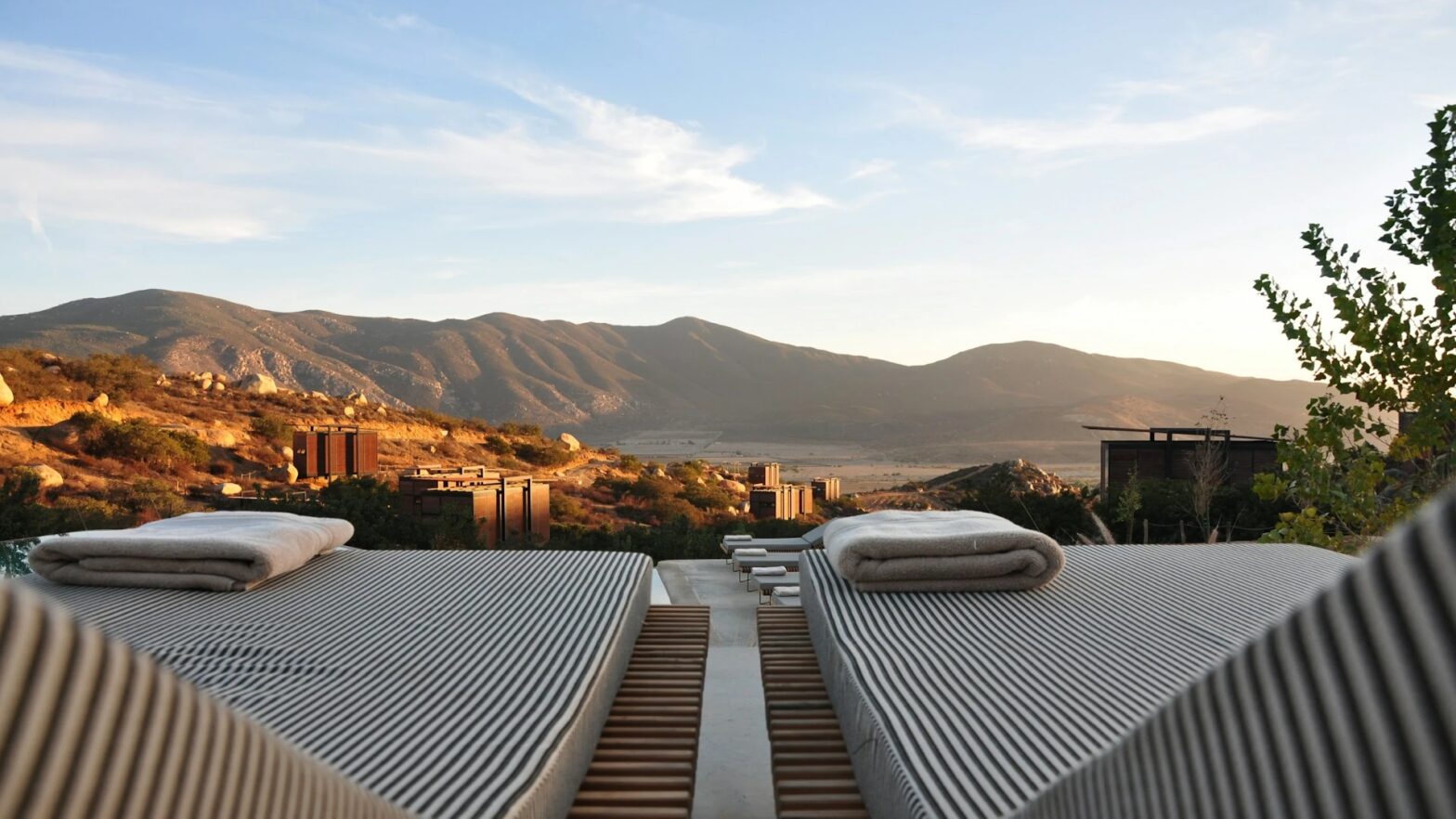
Travelers are becoming more conscious of overcrowding, pollution, and sustainability. Modern eco-luxury resorts offer the same comfort while using local materials, saving resources, supporting nearby communities, and reducing operating costs.
Follow the Money
Choosing locally owned businesses, guides, and restaurants helps keep tourism revenue within communities. Sustainable tourism also means supporting local jobs, protecting natural resources, and ensuring visitors contribute to the destinations they enjoy.
The Flying Problem
Flying is the big one.
A single long-haul return flight can wipe out almost every green choice made on the rest of the trip. Sustainable aviation fuel exists, but there’s very little of it and it costs a lot. A clean way to cross an ocean quickly just isn’t here yet.
On their last trip, years ago, the couple squeezed five cities into ten days. Mostly they remember airports. This time they’d picked one region and stayed put.
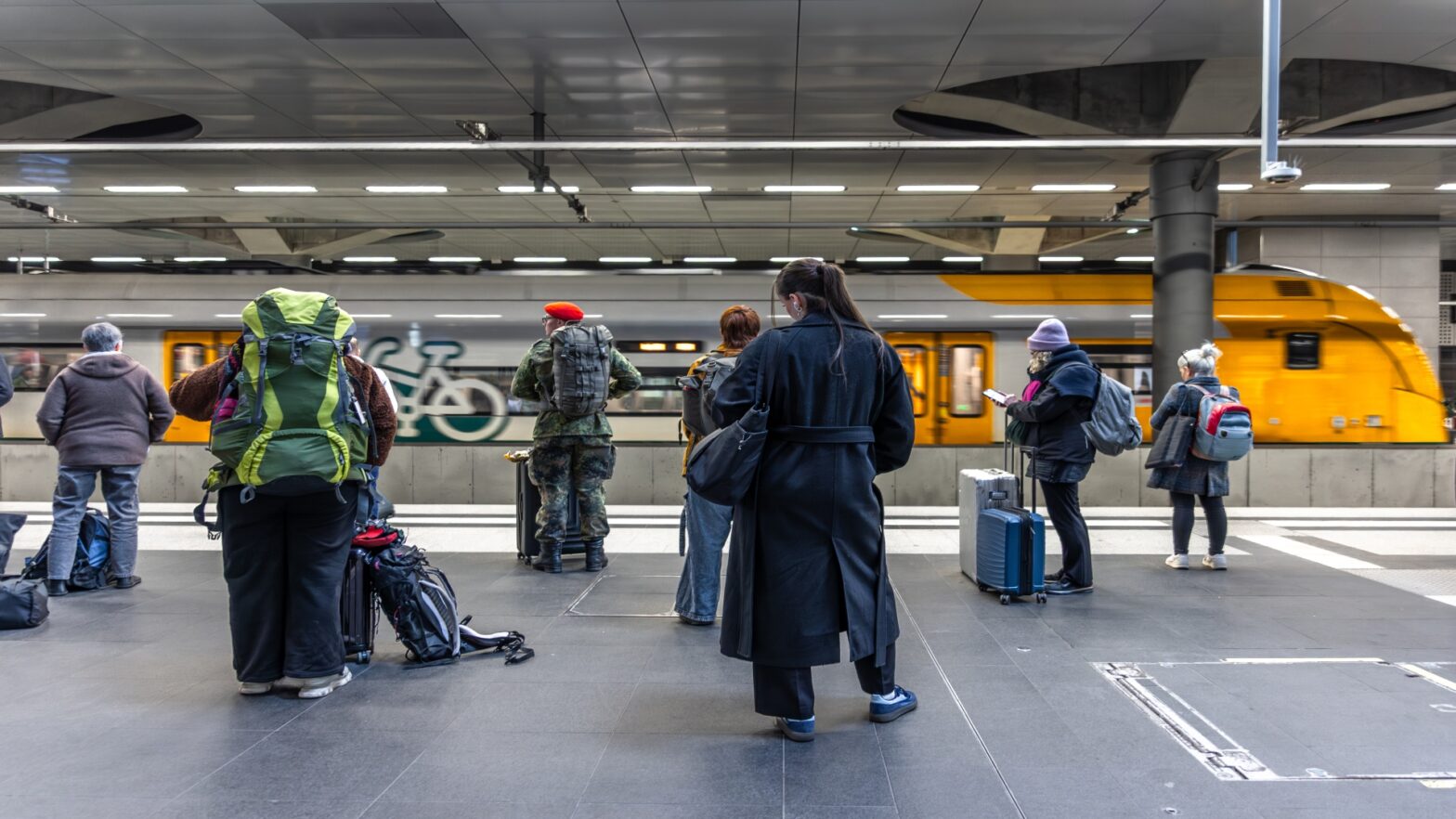
Luxury operators are adjusting too, with electric cars for transfers, bikes for getting around and walking tours instead of minibus trips. Trains are back in fashion, especially in Europe, where several night train routes have returned and scenic mountain railways sell out months ahead. At the same time, Golden Visa programs are attracting attention from international travellers and investors seeking greater flexibility in choosing destinations and spending extended periods abroad. Countries such as Greece, Portugal, and Hungary offer residency opportunities through qualifying property purchases or financial investments. For example, Greece provides certain property investment routes starting from €250,000, allowing investors to obtain renewable residence permits without a minimum stay requirement. These programs can appeal to those looking to combine international travel with long-term lifestyle flexibility.
On day three they took a train along the coast. Fishing villages and terraced hillsides drifted past the window, and somewhere around the second hour one of them said it was the most relaxed they’d felt all year.
Oddly enough, slow travel used to be what people did when they couldn’t afford anything quicker. These days it’s sold as the premium option, probably because time is the one thing busy, well-off people never seem to have, and wasting it gently on a train is a treat in itself.
Don’t Break What People Came For
Every famous destination is famous for something, whether that’s a reef, a stretch of rainforest, an old town or simply the food. Once that thing gets damaged, people stop having much of a reason to turn up.
Later that week they went out on a small boat to snorkel. The operator they’d chosen was strict. No touching the coral. No feeding the fish. Reef-safe sunscreen only. A marine biologist from a local conservation group came along and explained how the reef nearly died a few years back, and how volunteers have been growing new coral on underwater frames ever since. Floating over a reef that’s slowly coming back to life beats any photo opportunity.
This kind of thing is spreading. A surprising number of fancy resorts now chip in for turtle hatcheries or replanting forests or whatever their patch of the world needs.
Culture needs the same care. That night the couple ended up in someone’s actual kitchen, being bossed about by a grandmother who’d been making the same stew for sixty-odd years and clearly didn’t think much of their chopping. Fill every old town with the same chain cafes and that sort of thing just fades out without anyone really noticing. Travellers who go looking for it help keep it going.
Tech Does the Boring Bits
Plenty of the progress comes from technology nobody would call exciting. There’s software showing which room is guzzling power, little sensors that grumble about a dripping pipe before it turns into a flooded corridor, and kitchen programs that have a decent guess at how many people will turn up for breakfast, so fewer trays of scrambled eggs end up binned.
The couple had used a couple of apps back at the planning stage too, mostly for finding family-run guesthouses and sorting out train times. One evening’s work, more or less.
So What Is Luxury Now?
Once they were home, they ended up at that same kitchen table again, flicking through the photos. The beach looked beautiful. So did the room. But the pictures they kept coming back to were the guide laughing at the market, the grandmother at her stove and the green blur of the coast from the train window.
That, more than anything, is what’s changing. Nobody is giving up on great rooms or great food, and they won’t. It’s just that the list of what counts as a good trip has got a bit longer, and somewhere on it now sits the question of whether the locals came out of it better off and whether the place was left roughly as it was found.
The reefs, forests and little towns that made all this travel worth doing in the first place get a better shot at still being there when the couple’s kids are old enough to book a trip of their own.