





In Komodo, hospitality is shaped by movement. Guests do not travel here simply to sleep in a beautiful room. They come to cross channels, watch sunrise over dry savannah hills, meet the famous dragons, dive current-swept reefs, and return each evening with salt on their skin and a story to tell. For resort owners, hotel operators, and travel businesses, this makes Komodo different from many other destinations in Indonesia: accommodation is not the whole experience; it is the base that determines how smoothly the adventure unfolds.
For hospitality leaders evaluating Komodo Indonesia accommodation options, the real business question is how hotels, resorts, and liveaboards can work together to create a more complete guest journey around nature, access, comfort, and trust.
Komodo Is Not a Standard Hotel Destination
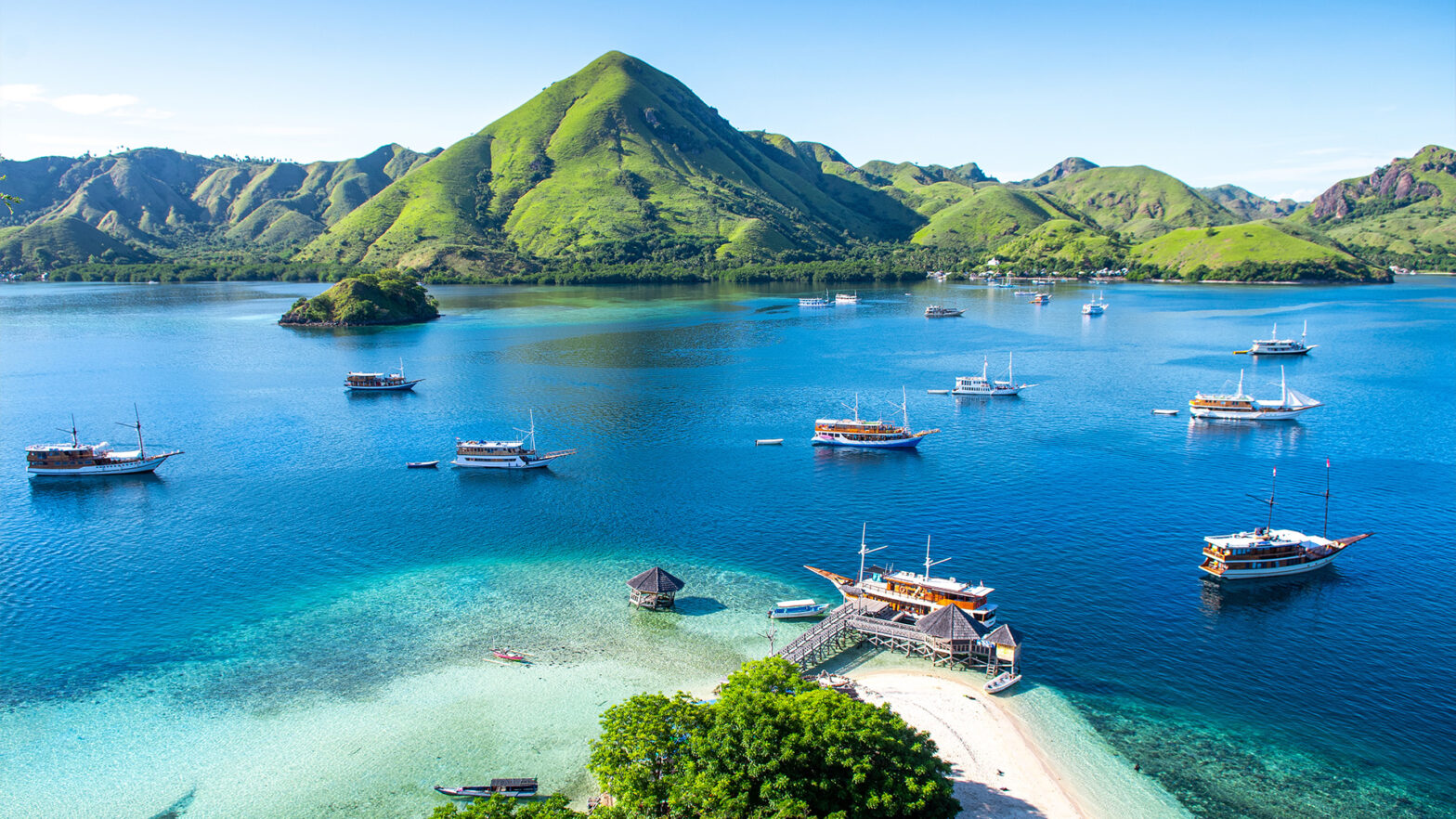
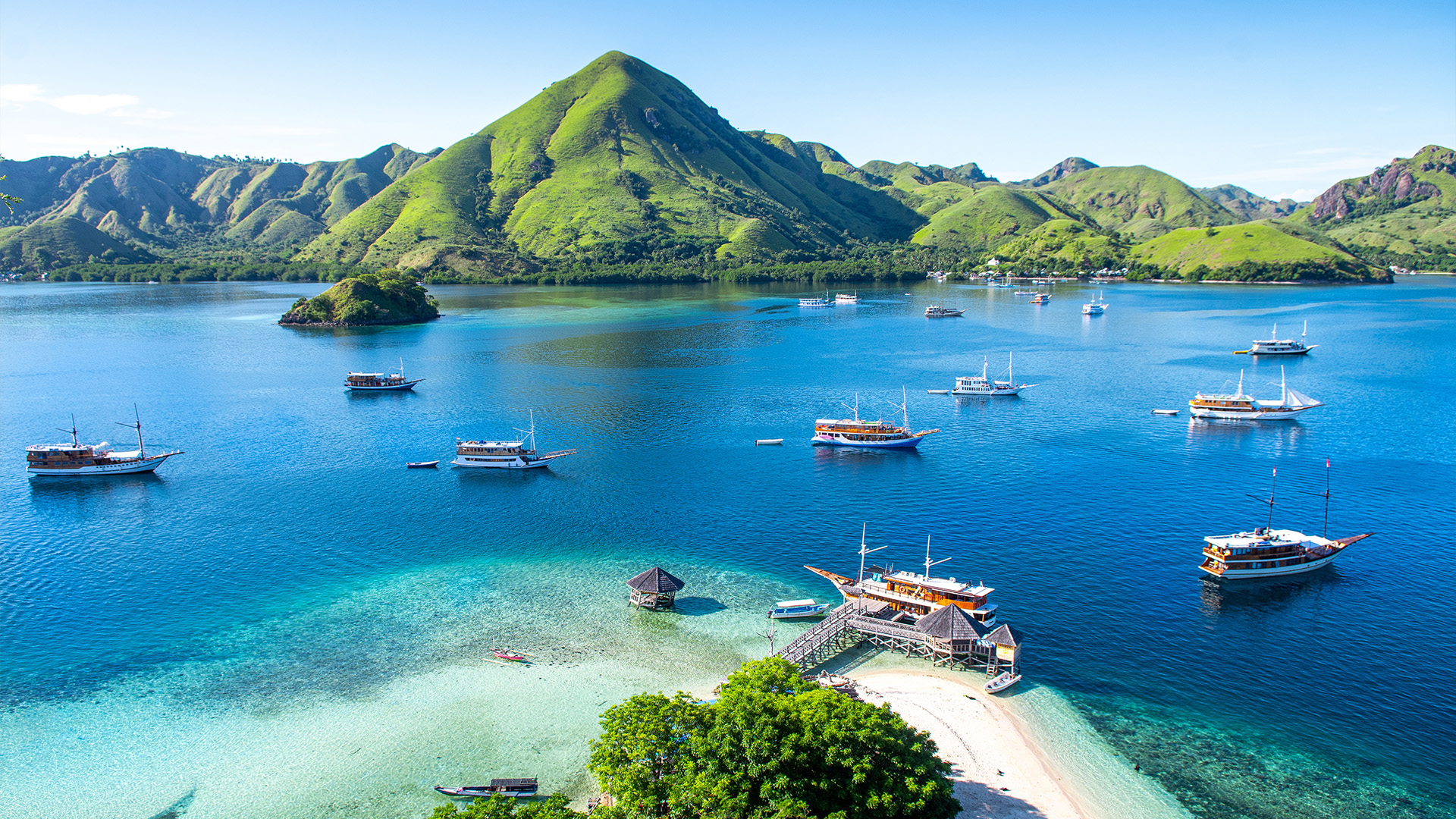
Komodo is often marketed through dramatic images: pink beaches, rugged islands, turquoise water, manta rays, and prehistoric wildlife. But behind those images is a complicated operating environment. Most guests arrive through Labuan Bajo, then depend on boats, guides, weather windows, and carefully timed excursions to experience the region properly.
That means Komodo Indonesia hotels are judged by more than room design or breakfast quality. Guests also care about information, planning support, transport coordination, tour reliability, and how well the property prepares them for days spent outside the hotel.
A strong Komodo stay is built around:
- Clear pre-arrival communication
- Honest guidance about distances and schedules
- Smooth coordination with boat operators
- Flexible service for early departures and late returns
- Comfort after physically active days
- Local knowledge that feels practical, not scripted
In this environment, a hotel becomes part of the logistics engine of the destination.
The Guest Journey Begins Before Check-In
Many travelers underestimate Komodo before they arrive. They may imagine a simple beach holiday, only to discover that the best experiences involve early mornings, boat transfers, national park rules, changing sea conditions, and careful timing. A good hospitality team reduces this uncertainty before it becomes frustration.
Pre-Arrival Clarity Builds Confidence
The most memorable hotels on Komodo Island, Indonesia, are often the ones that communicate clearly from the beginning. They explain how to get from the airport, what time tours usually depart, what kind of footwear is useful, whether seas may be rough, and how to plan diving or island-hopping days.
This is not just concierge work. It is about expectation management and one of the most valuable skills in hospitality.
A guest who knows what to expect is more relaxed. A relaxed guest is more likely to enjoy the destination, spend more time exploring, and speak positively about the stay.
Hotels and Liveaboards Serve Different Needs
Komodo’s accommodation landscape is not limited to land-based properties. For many visitors, especially divers, liveaboards are a central part of the destination experience. Rather than treating hotels and liveaboards as competitors, the industry benefits when both are understood as different solutions for different travel moments.
Hotels and resorts are ideal for:
- Pre- and post-trip stays
- Families with mixed interests
- Guests who want comfort and land-based flexibility
- Travelers combining diving with dining, spa, or local excursions
- Business travelers or remote workers needing stable connectivity
Liveaboards are ideal for:
- Divers seeking remote sites
- Guests wanting multi-day marine exploration
- Small groups focused on underwater experiences
- Travelers who value access over land-based convenience
- Guests looking for a deeper expedition-style journey
A Komodo diving liveaboard resort concept can be especially interesting when land-based comfort and boat-based adventure are connected thoughtfully. The point is not to make every guest choose one model. The point is to design the right sequence.
Diving Shapes the Accommodation Decision
For divers, Komodo is one of Indonesia’s most compelling regions. Strong currents, rich reefs, manta cleaning stations, and varied underwater landscapes make the area highly attractive. But diving also affects where guests should stay, how they plan their days, and what level of service they expect from accommodation providers.
Komodo liveaboard diving appeals to guests who want to wake up close to dive sites and reduce daily transfer time. This model offers access, rhythm, and immersion. However, land-based hotels and resorts remain important before and after the boat journey, especially for guests who need rest, gear preparation, laundry, airport transfers, or a softer landing after several days at sea.
The Best Operators Think in Itineraries
The best hospitality experiences in Komodo are not built around isolated bookings. They are built around itineraries. A guest may need one night before boarding, three to five nights at sea, and another night after returning. Each part should feel connected.
When hotels understand the needs of divers, and liveaboards understand the standards expected by hotel guests, the entire destination becomes stronger.
Why Liveaboards Add Value to Komodo’s Hospitality Economy
Komodo liveaboards bring a unique dimension to the destination. They extend the guest experience beyond the coastline, allowing travelers to access areas that may be difficult to reach on day trips. For serious divers and adventure travelers, this can be the highlight of the journey.
At the same time, liveaboards support the wider tourism economy. Guests still need hotels, restaurants, transfers, equipment services, local guides, and pre- or post-trip activities. A well-managed liveaboard sector can increase the value of the destination without placing all the pressure on land-based infrastructure.
The phrase best liveaboard Komodo is often used by travelers researching quality, but from an industry perspective, “best” should not mean only luxury cabins or premium pricing. It should mean safe operations, experienced crews, responsible environmental practices, clear communication, and a service culture that respects both guests and the marine environment.
Sustainability Is Now a Business Requirement
Komodo’s long-term value depends on the health of its landscapes, reefs, wildlife, and local communities. Hotels, resorts, and liveaboards all share responsibility for protecting the destination.
Sustainability in Komodo hospitality should be practical and visible:
- Reducing unnecessary plastic
- Managing waste responsibly
- Respecting national park regulations
- Educating guests without lecturing them
- Supporting local employment and training
- Working with responsible boat and tour partners
- Encouraging reef-safe behavior during marine activities
Guests increasingly notice these details. For many travelers, responsible operations are no longer a bonus; they are part of the decision-making process.
The Business Opportunity: Cooperation Over Fragmentation
The most important opportunity for Komodo Hospitality is better cooperation. A hotel cannot control the weather. A liveaboard cannot control a guest’s flight delay. A tour operator cannot control every issue with hotel services. But together, businesses can create smoother systems that help guests feel supported.
A More Connected Destination Model
Komodo’s future will benefit from stronger partnerships between accommodation providers, boat operators, dive teams, restaurants, transport services, and local authorities. When information flows well, the guest experience improves.
This can include shared standards around pickup times, guest briefings, emergency contacts, luggage handling, and realistic activity planning. None of these details sound glamorous, but they are exactly what separates a stressful trip from a seamless one.
What Komodo Hospitality Can Teach the Wider Business World
For all lux-life readers, Komodo offers a useful business lesson: modern hospitality is no longer about a single physical workplace. It is about networks of service. Hotels, boats, guides, suppliers, digital communication, local communities, and guest expectations all operate together.
The businesses that perform best are those that understand their role within the wider ecosystem. A resort is not just selling rooms. A liveaboard is not just selling cabins. A hotel is not just a place to sleep before a tour. Each business is part of a larger experience economy where coordination creates value.
The Future of Komodo Stays
Komodo will continue to attract travelers looking for adventure, diving, wildlife, and natural beauty. But as expectations rise, the destination will need more than scenic views. It will need professional hospitality systems that respect the environment while delivering comfort, clarity, and trust.
The future belongs to operators that understand how guests actually move through the destination. Sometimes they need a resort. Sometimes they need a liveaboard. Sometimes they need both, connected by thoughtful planning.
That is Komodo’s unique hospitality opportunity: not to copy other island destinations, but to build a stay model that reflects its own geography, rhythm, and spirit. In Komodo, the best accommodation strategy is not only about where guests sleep. It is about how confidently they explore.