

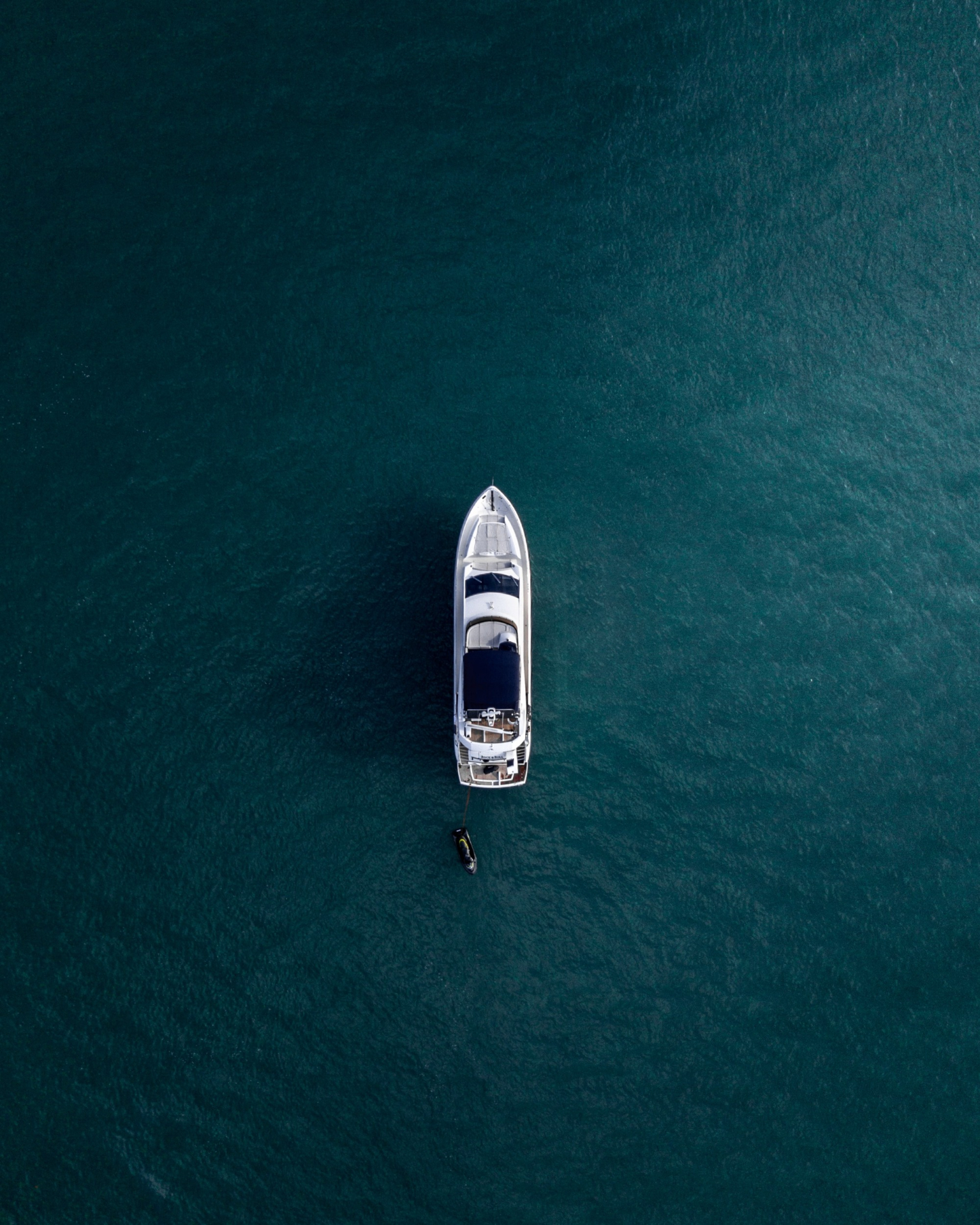





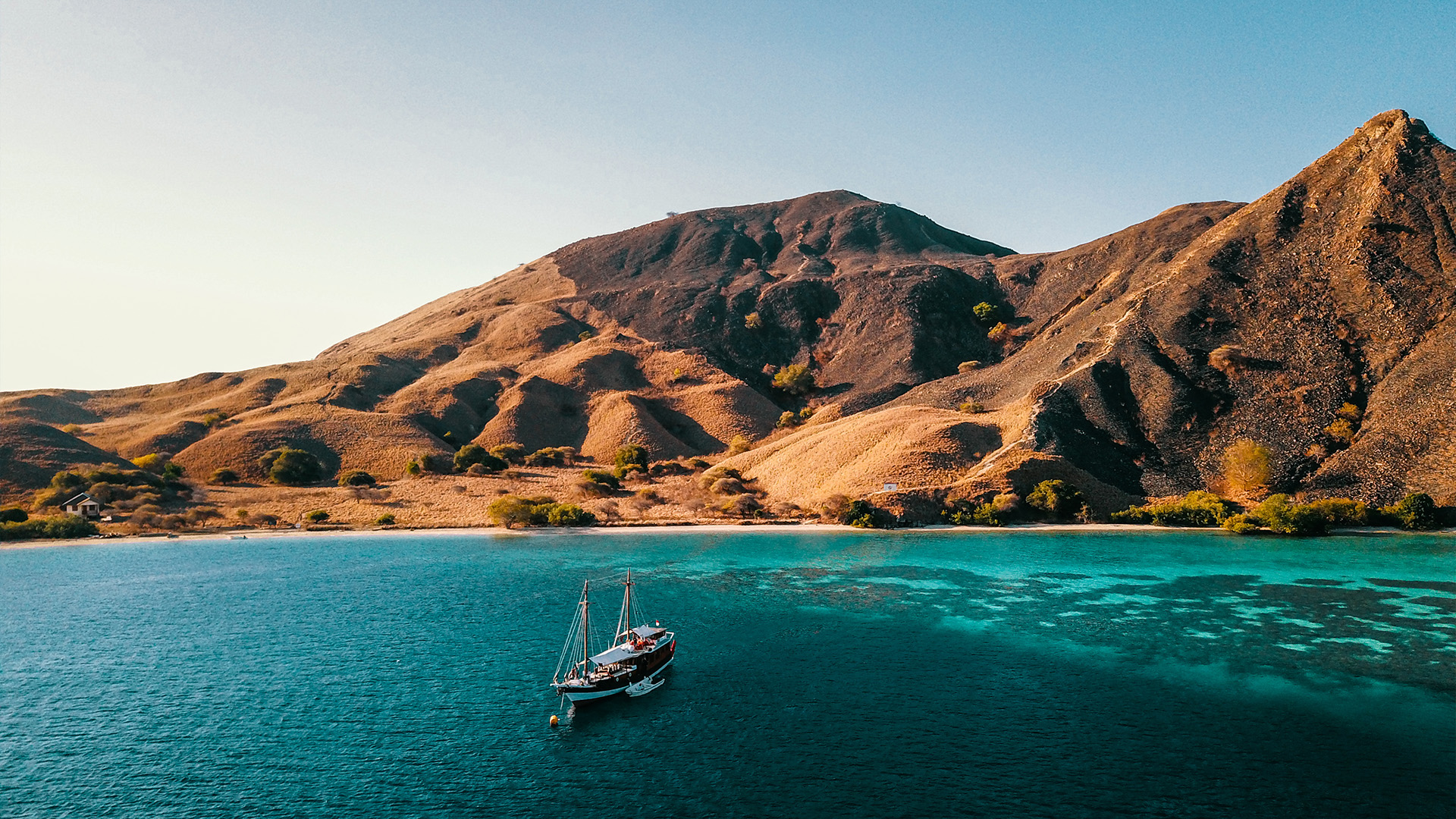
Luxury travel is changing. Today’s discerning guests are not only looking for polished interiors, premium dining, or beautiful rooms. They are looking for rarity, privacy, emotional connection, and experiences that feel impossible to repeat. In Indonesia, few travel formats express this shift better than a liveaboard journey through Raja Ampat.
For luxury hospitality leaders, Raja Ampat is more than a diving destination. It is a case study in how high-end travel works when the hotel itself becomes mobile. A vessel moving between remote islands must provide comfort, safety, cuisine, navigation, housekeeping, guest relations, and operational precision within a single compact environment.
For readers comparing remote marine travel, onboard service, and meaningful dive itineraries, a Raja Ampat diving liveaboard represents one of Indonesia’s most distinctive ways to combine underwater exploration with refined hospitality.
Why Raja Ampat Feels Different From Ordinary Luxury Travel
Raja Ampat does not offer luxury in the conventional city-hotel sense. Its value comes from access: access to coral reefs, quiet anchorages, limestone islands, manta cleaning stations, and sunrise views that cannot be experienced from a standard resort room.
A liveaboard journey creates a sense of separation from daily life. Guests are not simply checking into accommodation; they are entering a rhythm shaped by tides, dive briefings, meals, deck conversations, and the slow movement between islands.
- The room changes location without the guest having to repack.
- The itinerary follows nature instead of traffic.
- The service feels personal because the group is small.
- The destination is experienced continuously, not in fragments.
This is why many experienced divers and luxury travelers describe Raja Ampat as immersive rather than simply beautiful.
The Floating Boutique Hotel Mindset
A liveaboard is often judged by its cabins and dive deck, but the best operations think more broadly. They understand that every detail influences guest confidence: the way luggage is handled, the clarity of safety briefings, the timing of meals, the comfort of shared spaces, and the professionalism of the crew.
Service Must Feel Effortless
On a vessel, there is little room for weak coordination. If the dive team, kitchen, housekeeping, captain, and cruise director are not aligned, guests notice quickly. A strong luxury liveaboard operation makes complex logistics feel calm.
Behind the scenes, this requires discipline. The crew must monitor weather, currents, fuel, provisioning, guest preferences, dive schedules, equipment, and safety procedures. Yet from the guest’s perspective, the experience should feel smooth and natural.
That is the real craft of liveaboard hospitality: hiding complexity without hiding care.
What Makes a Liveaboard Feel Truly Premium
The phrase “best Raja Ampat liveaboard” is often used by travelers during research, but “best” isn’t just about price or design. From an operator’s perspective, the strongest vessels are those that balance comfort, responsibility, and emotional intelligence.
A premium liveaboard experience usually includes:
- Thoughtful cabin design with practical storage and privacy
- Fresh, well-paced meals suited to active dive days
- Experienced dive guides who understand different confidence levels
- Clear communication before and during the trip
- Respectful interaction with marine life and local communities
- Reliable safety systems and calm emergency preparedness
- A crew culture that feels warm, not overly scripted
Luxury guests may appreciate fine linens and elegant interiors, but they remember how the team made them feel. Did the crew notice when someone was tired? Did the guide help a nervous diver without making them uncomfortable? Did the schedule feel ambitious but not exhausting? These are the details that turn a trip into a memory.
Diving Is the Centerpiece, But Not the Whole Experience
Raja Ampat is famous for its marine biodiversity, and diving is naturally the main attraction for many guests. The reefs are vibrant, the marine life is abundant, and the above-water landscapes are equally dramatic. But even for passionate divers, the trip is not only about time underwater.
The best liveaboard experiences create balance. A guest might begin the day with a sunrise dive, return to a warm drink and breakfast, rest on deck while crossing to another island, enjoy an afternoon snorkel or village visit, and end the evening with dinner under open sky.
The Value of Slow Travel
Luxury travel increasingly favors depth over speed. Raja Ampat rewards this approach. A liveaboard allows guests to stay close to nature without constantly transferring back to shore. Instead of rushing through a checklist of sites, travelers settle into the destination.
This slower rhythm is especially powerful for high-end guests who spend much of their professional lives surrounded by schedules, screens, and noise. Onboard, time becomes simpler. Meals, dives, sunsets, and conversations replace the usual structure of daily life.
Raja Ampat and Komodo: Two Different Liveaboard Personalities
Indonesia’s liveaboard market is not defined by one destination. Many travelers compare Raja Ampat with Komodo liveaboard diving, and both offer outstanding experiences. However, they have different personalities.
Komodo often feels dramatic and energetic, with rugged islands, strong currents, seasonal manta encounters, and a sense of raw adventure. Raja Ampat feels more remote, expansive, and dreamlike, with extraordinary reef diversity and a quieter sense of discovery.
For hospitality providers, this distinction matters. Guests should be guided toward the destination that fits their travel mood, skill level, and expectations.
- Komodo often suits travelers seeking intensity, scenery, and varied adventure.
- Raja Ampat often suits guests seeking remoteness, biodiversity, and immersion.
- Both require professional operators, honest guidance, and careful planning.
Positioning these destinations correctly helps guests make better decisions and protects the reputation of Indonesia’s marine tourism industry.
Sustainability Is Part of Modern Luxury
In Raja Ampat, environmental responsibility is inseparable from the guest experience. The marine environment is the reason travelers come, and protecting it is part of the service promise.
Responsible operators pay attention to waste management, reef-safe behavior, anchoring practices, local employment, and guest education. They brief divers clearly without sounding severe. They encourage respect for marine life without turning the journey into a lecture.
Guests Notice Responsibility
Luxury travelers are increasingly aware of the impact. They want comfort, but not carelessness. They want access, but not exploitation. A liveaboard that operates responsibly permits guests to enjoy the destination with a clearer conscience.
This is where sustainability becomes a business advantage. It protects the environment, strengthens brand trust, and supports the long-term future of the destination.
The Business Lesson for Luxury Hospitality
For Lux Life readers, the liveaboard model offers a valuable lesson: the future of luxury is not always fixed in one place. Sometimes, the most powerful hospitality experience is mobile, intimate, and deeply connected to its environment.
A successful Raja Ampat liveaboard does not rely only on scenery. It succeeds because every department works together in a limited space, under changing natural conditions, with high guest expectations. That requires leadership, training, systems, and a genuine culture of hospitality.
Hotels, resorts, and luxury travel brands can learn from this model. Guests increasingly value experiences that feel personal, responsible, and rare. They want service that is polished but human. They want beauty, but also meaning.
The Future of High-End Liveaboard Travel in Indonesia
Raja Ampat will continue to attract divers, photographers, nature lovers, and luxury adventure travelers. The strongest operators will be those who understand both sides of the journey: the precision required to run a safe vessel and the emotional intelligence required to host guests well.
In the end, a liveaboard is not simply a boat. It is a moving stage for some of the most memorable experiences Indonesia can offer. When managed with care, it becomes a floating expression of modern luxury: quiet, immersive, responsible, and deeply connected to place.