



As summer temperatures begin to rise, European travellers are increasingly looking beyond the popular hubs of Western Europe for their next “coolcation”. In this light, Lithuania has emerged as an overlooked destination for those seeking a refreshing escape. The country’s tourism sector reached new heights in 2025, hosting 1.5 million visitors – a 4.4% increase from the previous year. It’s no surprise, as the country’s capital, Vilnius, has gained international acclaim, securing recognition as European Hospitality, Sleep and Green Capital.
Vilnius – The Heart of Lithuania
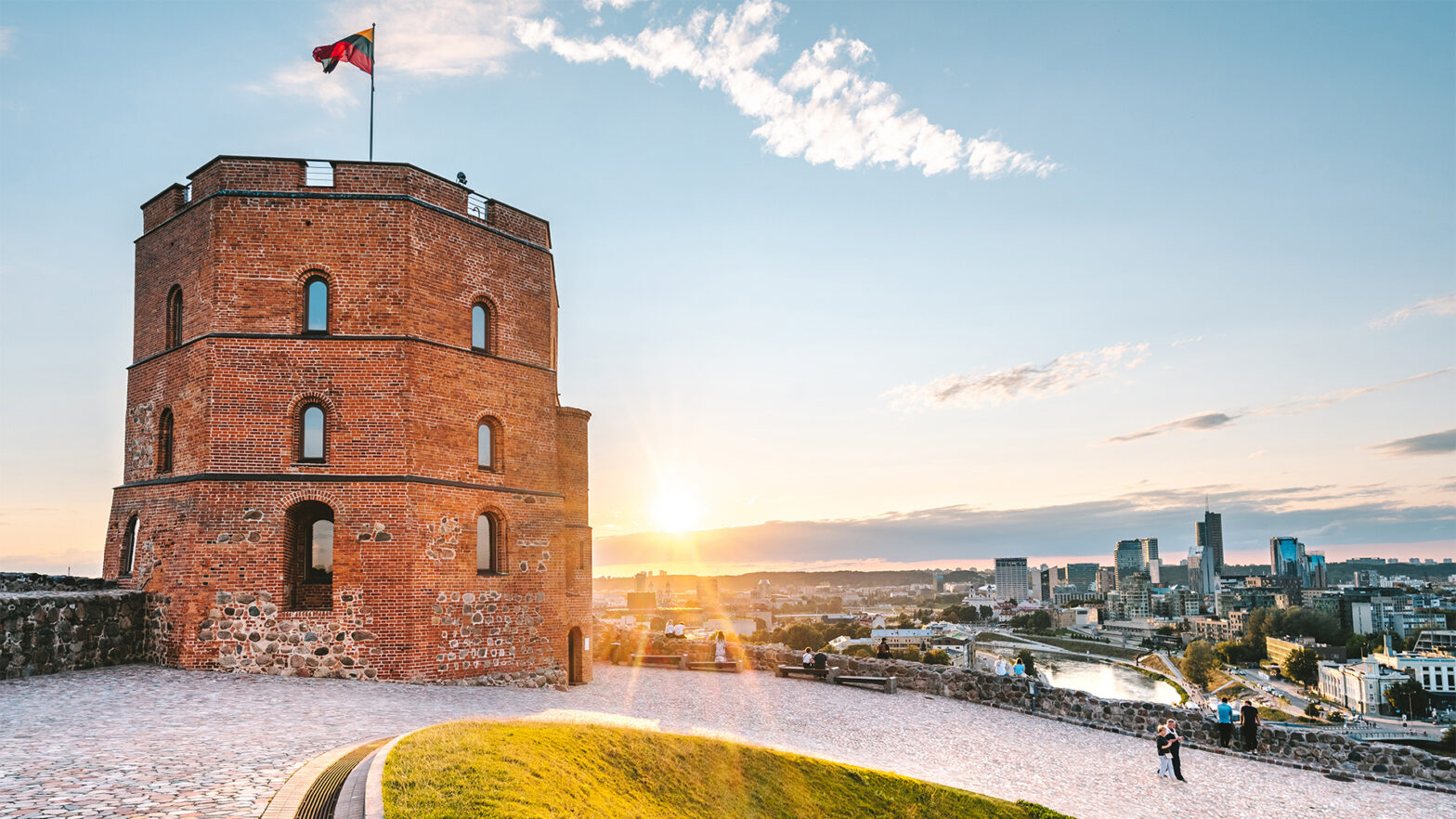
Once born from a dream, Vilnius has transformed into a highly sought-after destination, celebrated for its lush greenery, exceptional hospitality, and booming reputation in sleep tourism. While the city’s roots stretch back to the 13th century, it truly began to flourish in the early 14th century. Grand Duke Gediminas catalyzed this growth by sending letters across Europe, inviting merchants, doctors, and architects to come and prosper in Lithuania.
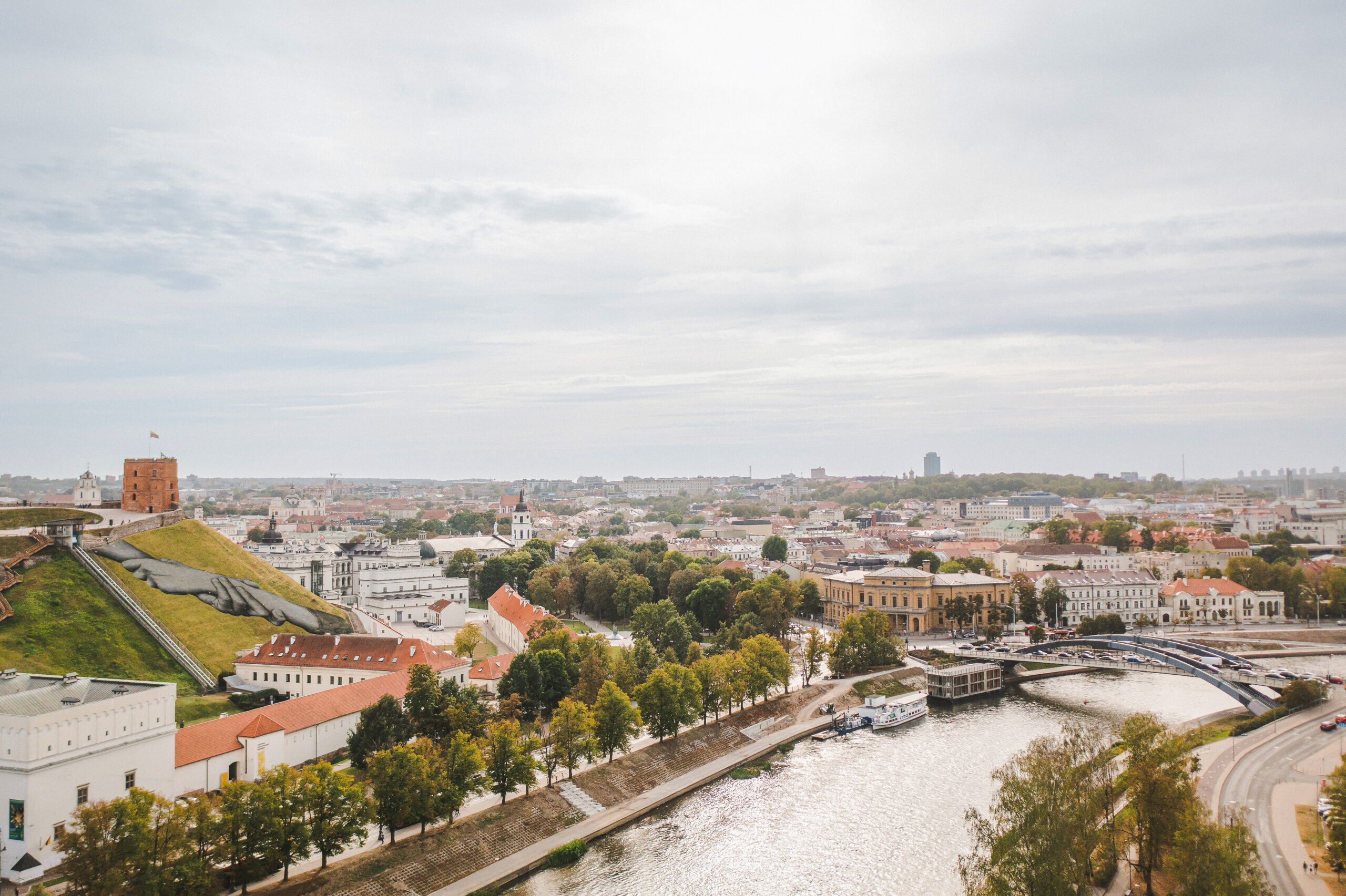
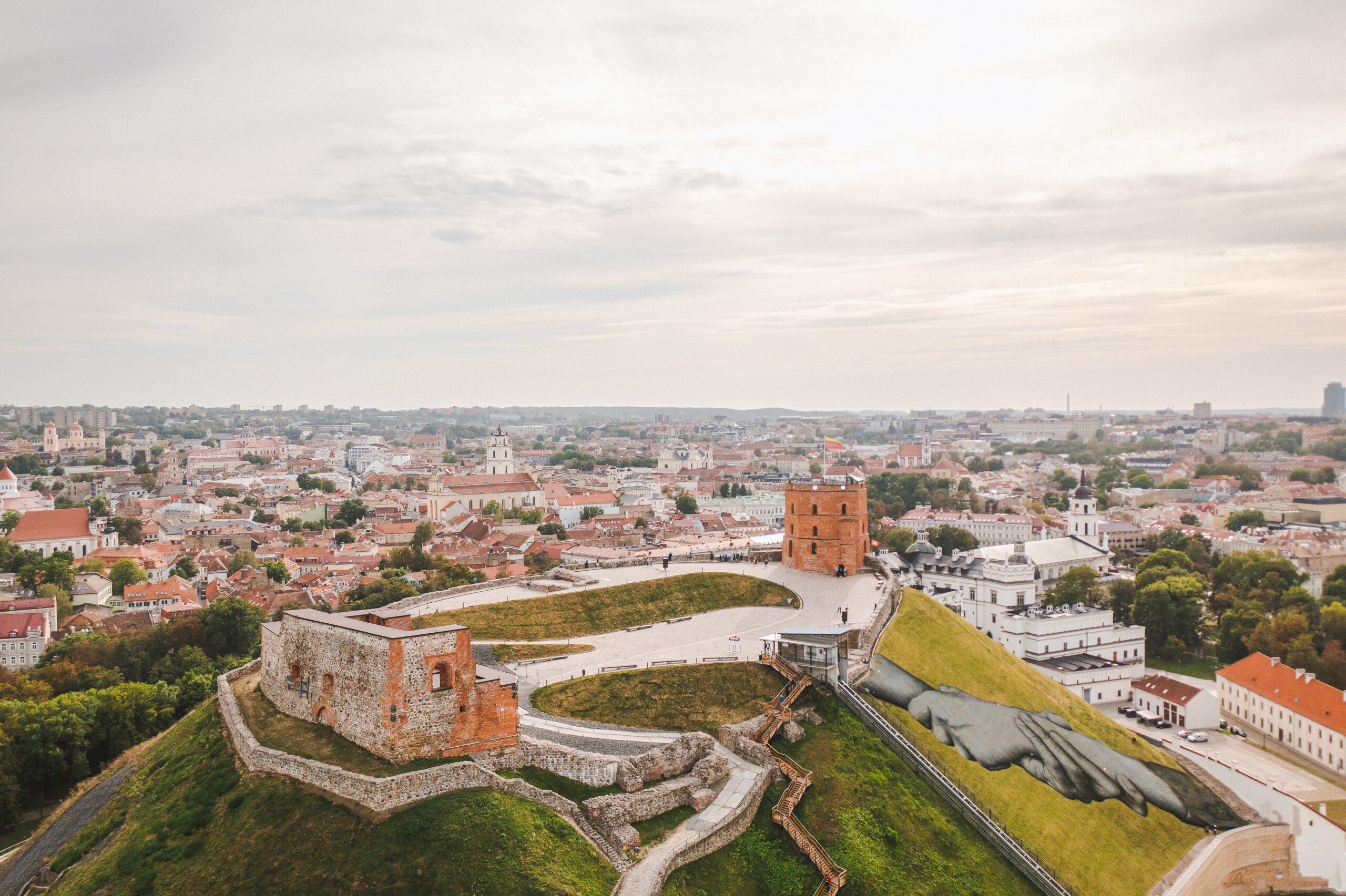
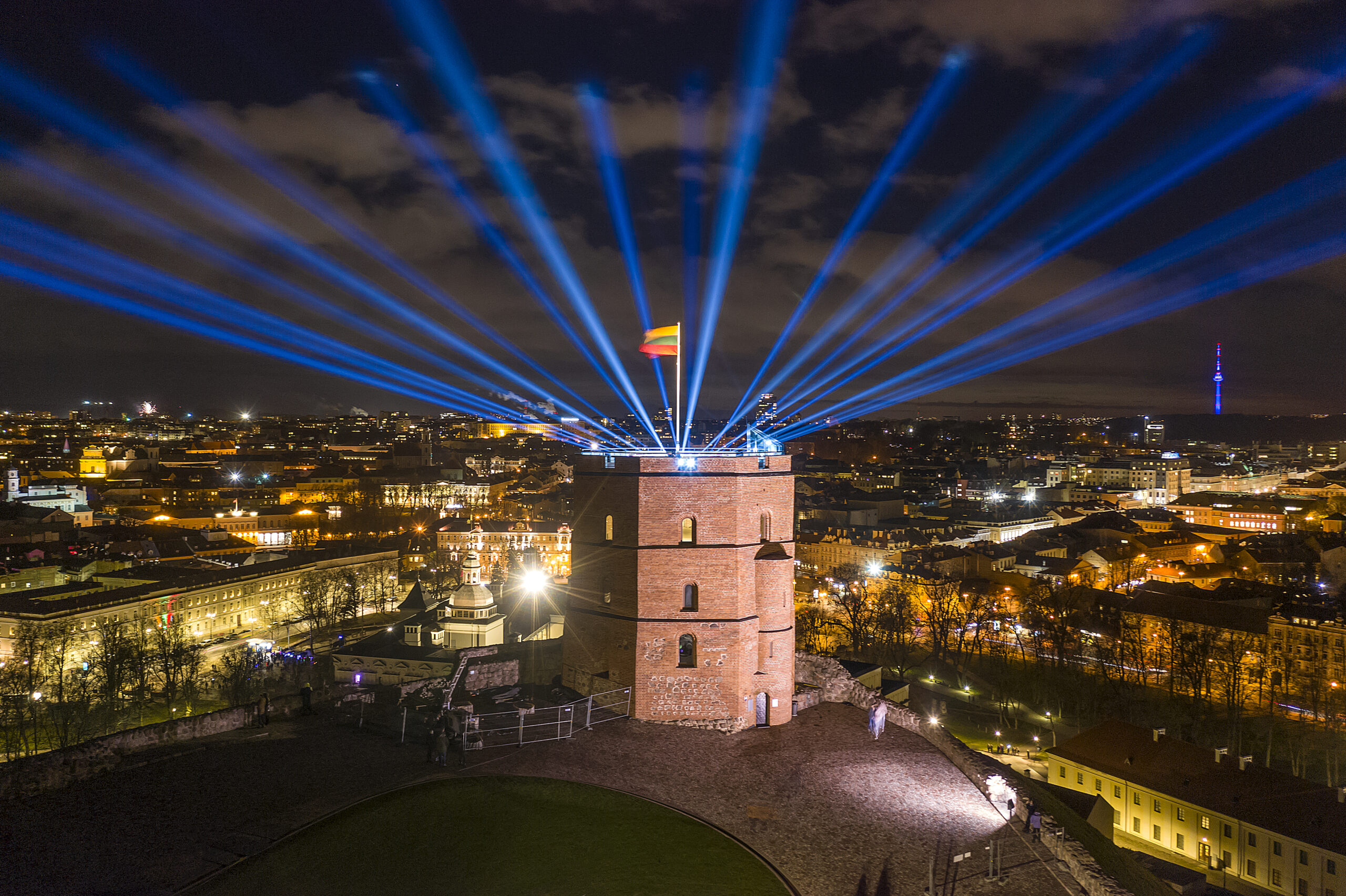
The capital’s legendary origins are tied to a prophetic vision during a royal hunt. Tired after a successful day in the sacred forest near the Šventaragis Valley – where the Vilnia River flows into the Neris – Grand Duke Gediminas settled in for the night. As he slept, he dreamed of a massive Iron Wolf standing atop a hill, howling as loudly as a hundred wolves. This powerful omen marked the birthplace of Vilnius.
Fun fact: not many natives know that the late Queen Elizabeth II shared ancestral ties with the Grand Duchy of Lithuania. Representatives of the historic Gediminas dynasty were among her ancestors, meaning Britain’s long-reigning monarch genuinely carried Lithuanian blood.
Everyone in Lithuania knows the origin story that started the whole Vilnius saga. But not everyone knows the individual flavors of the Vilnius scene. From gastronomy and history to natural beauty, local ambassadors here are ready to help at every turn – not only to teach you about the city, but to accustom you to the culture and connect you with someone who knows Vilnius intimately. Still, some activities are best discovered on your own.
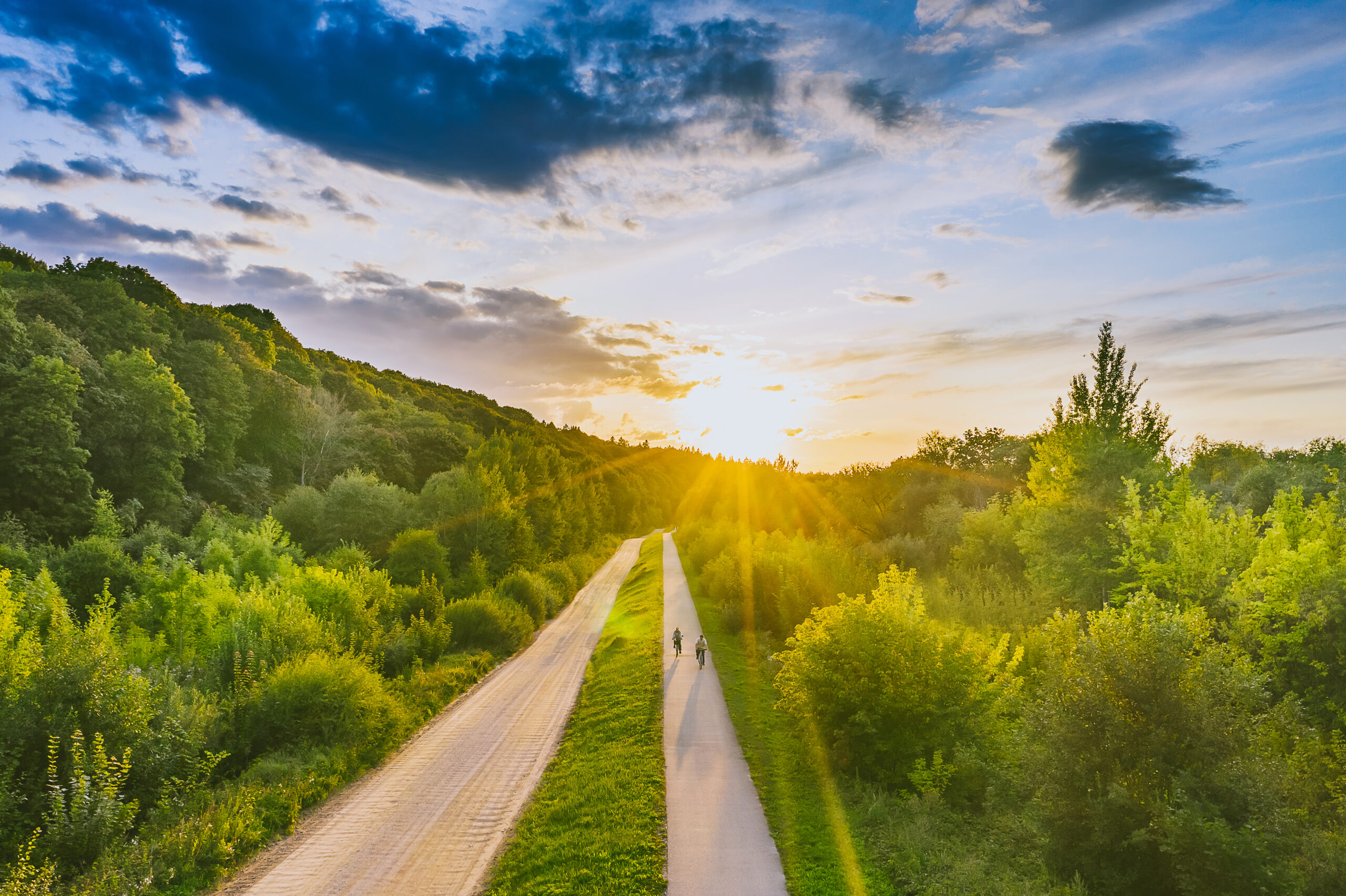
On your journey of self-discovery, the Walkable Vilnius initiative offers 20 distinct routes around the capital and its surroundings, giving you the chance to experience the city’s unique charm at your own pace. From nature trails and dense forests to art galleries and cozy cafes, the locations are yours to choose depending on your energy levels or the flow of the day.
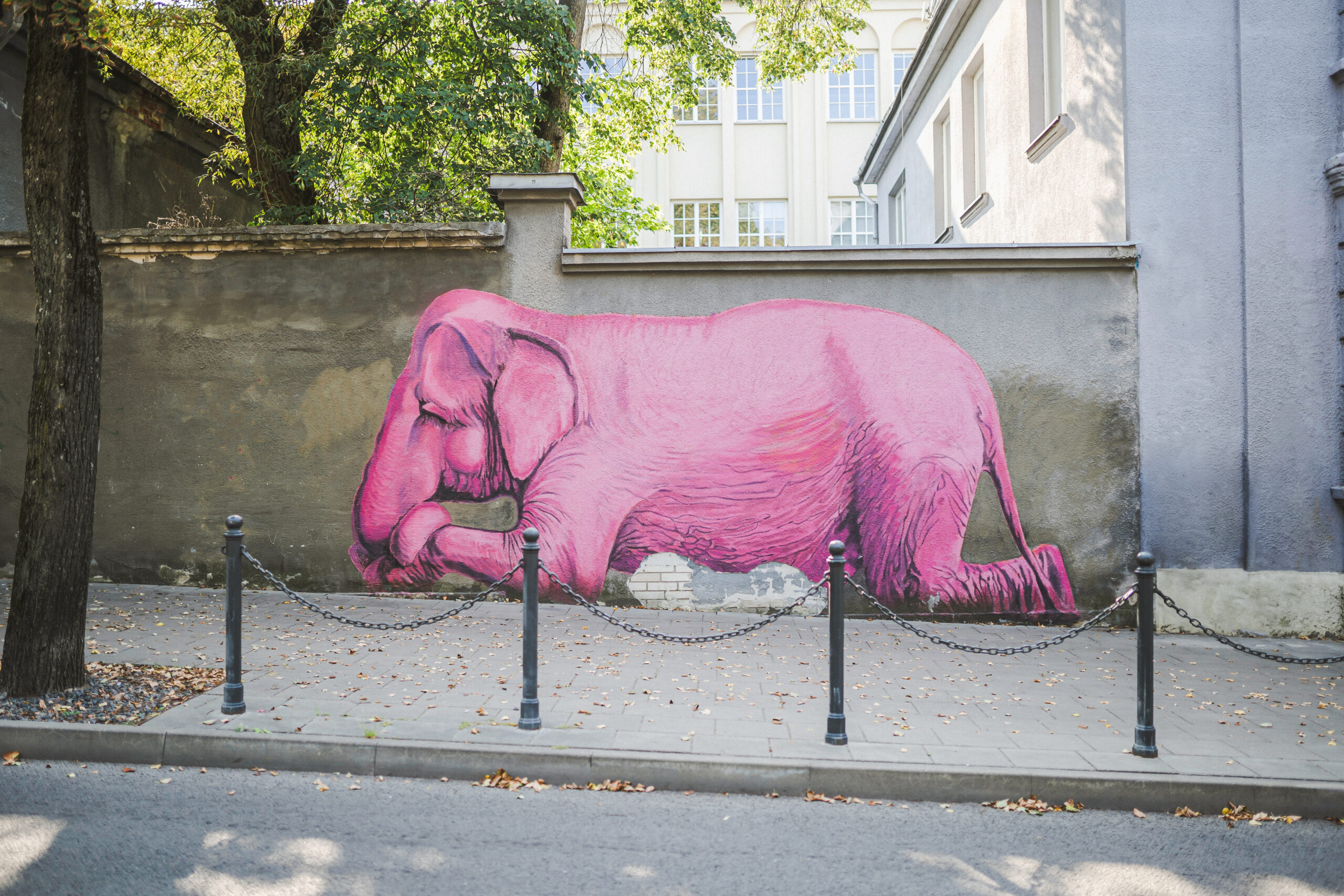
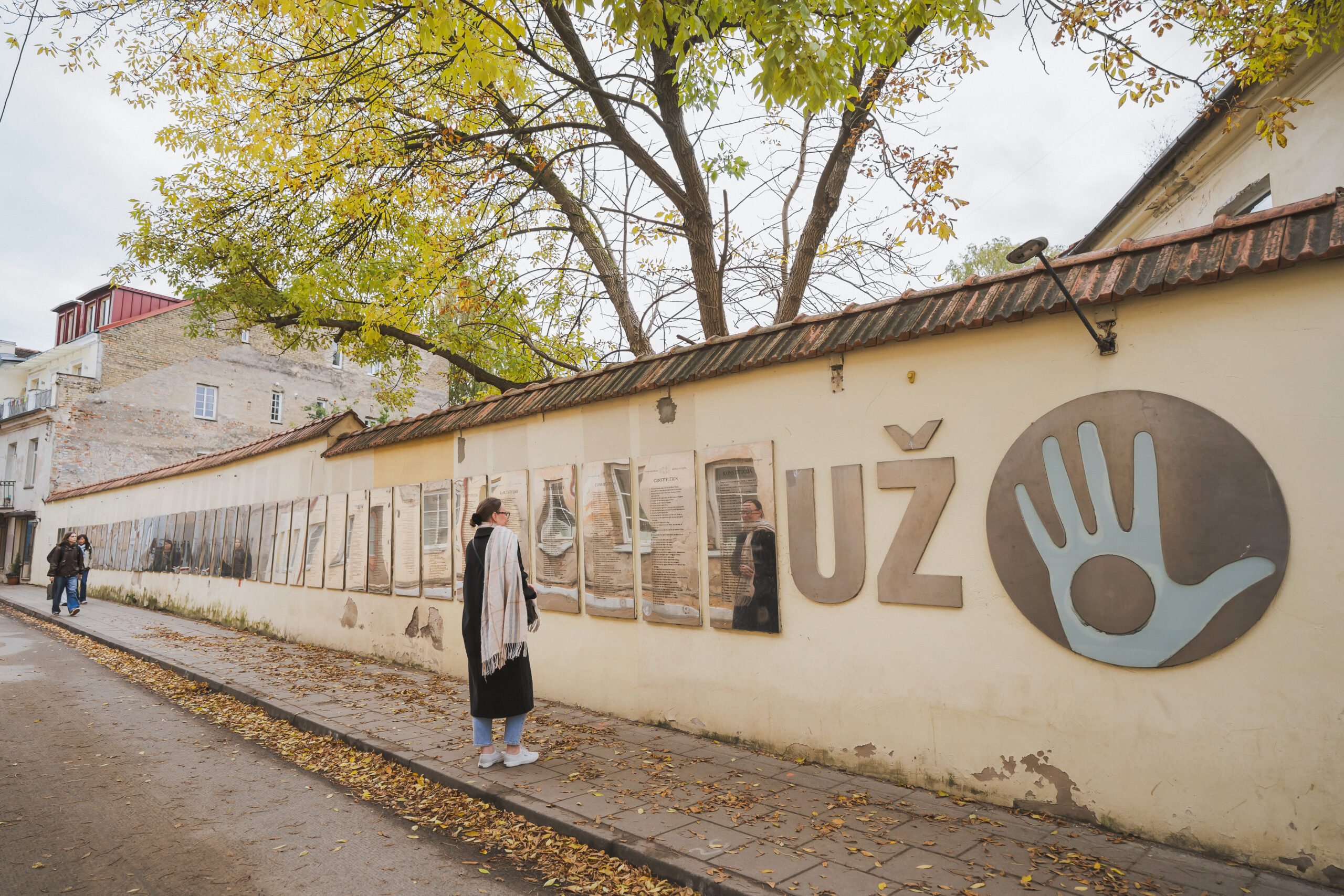
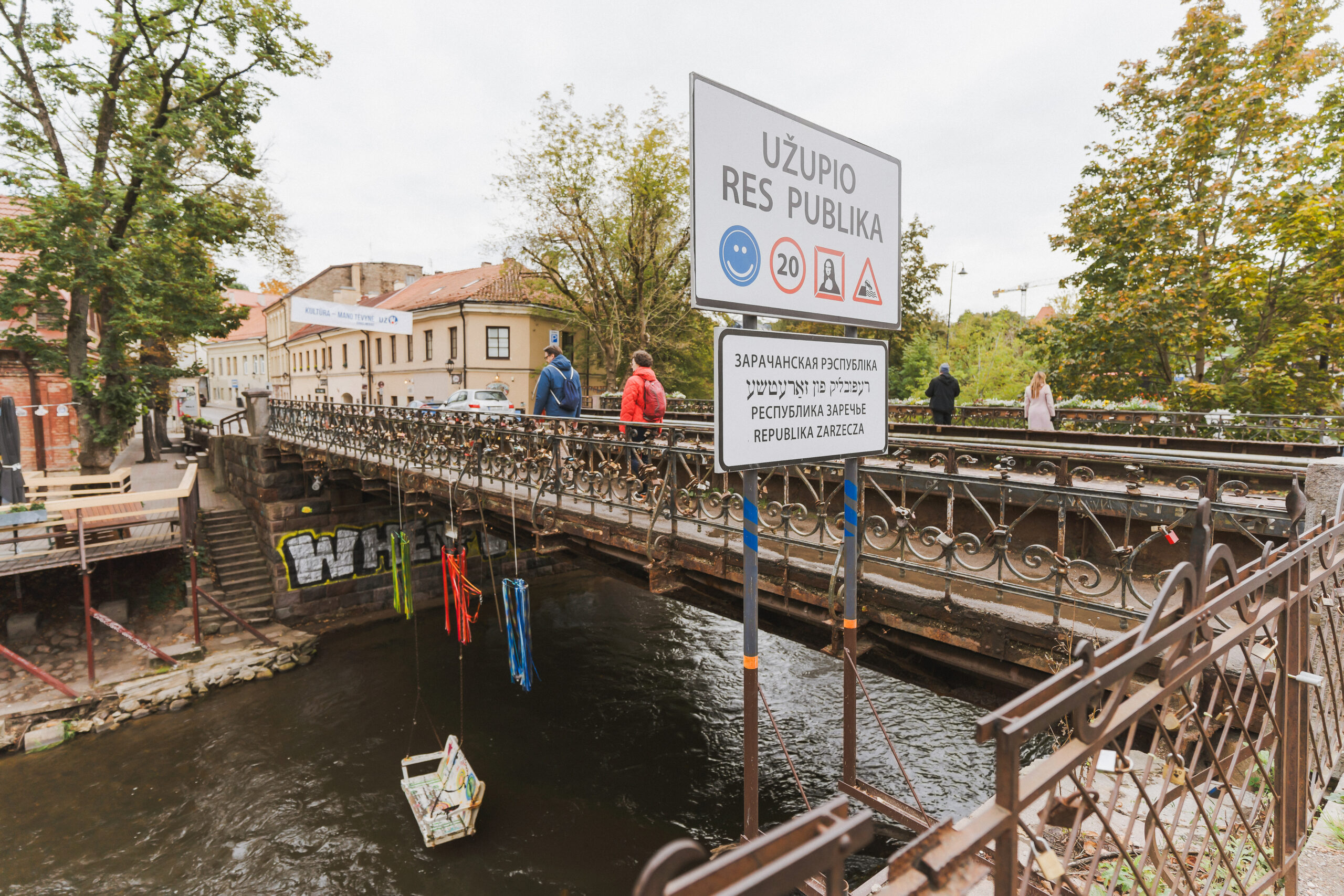
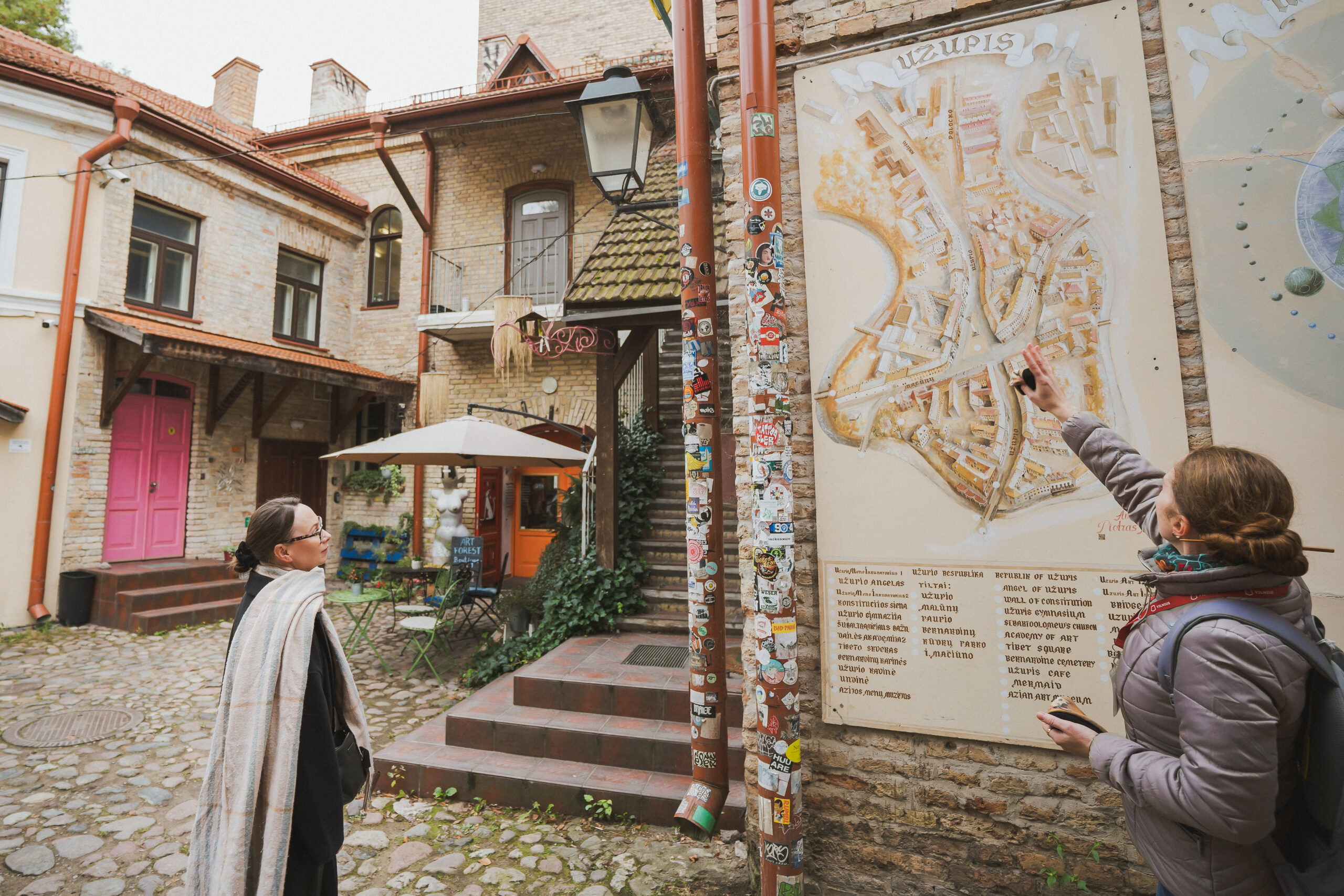
Naturally, your first stop should be Užupis – a bohemian, self-proclaimed artists’ republic born out of rebelliousness and style. Complete with its own president and constitution, this small “country” revels in the creativity of its residents. Here, you’ll find the Užupis Art Incubator, one of the first of its kind in Europe, offering a year-round center for artistic and social integration. While exploring, don’t miss the Bernardine Monastery, the Jonas Mekas Visual Arts Center, the iconic Angel of Užupis, and the Vilnius Potters Guild.
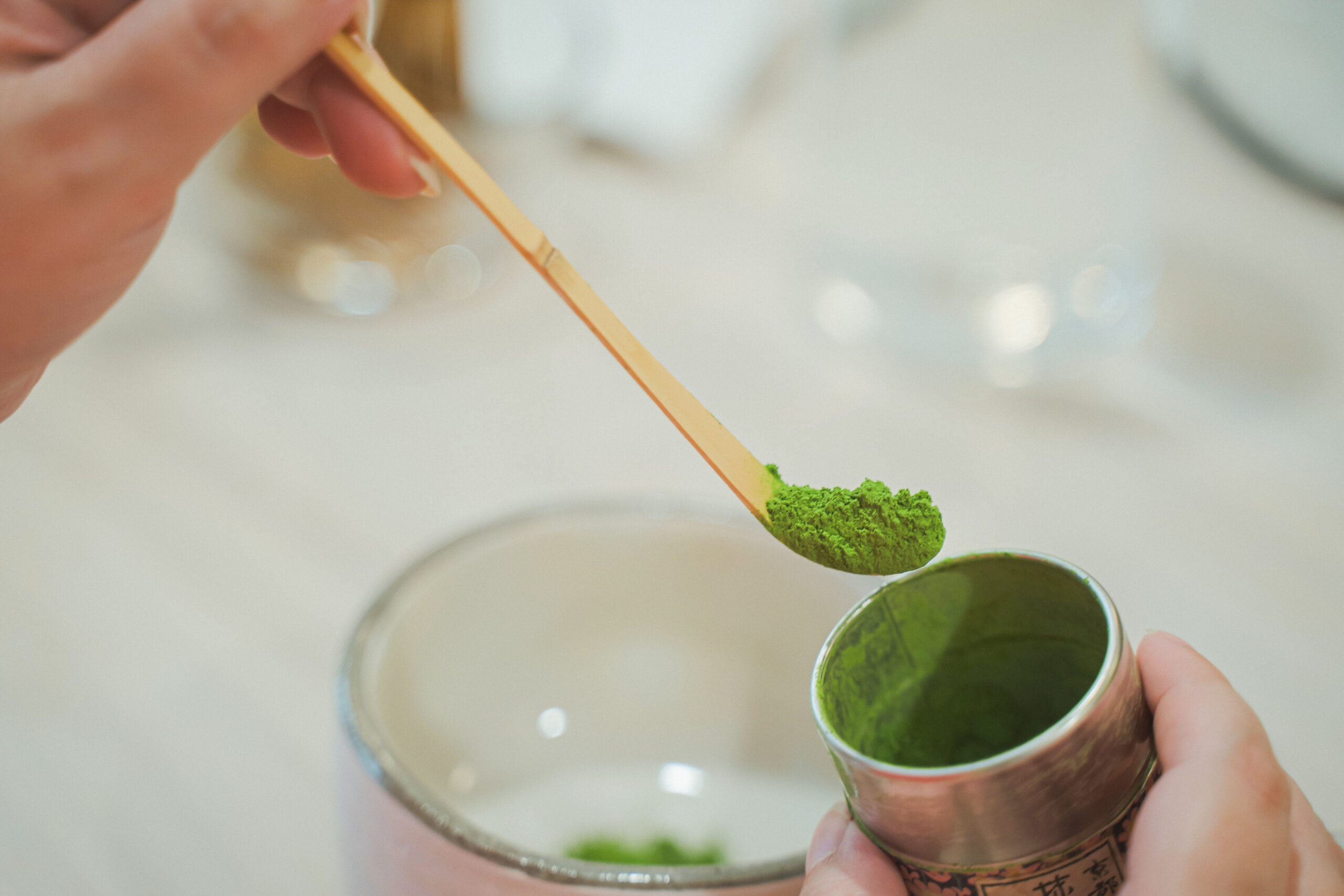
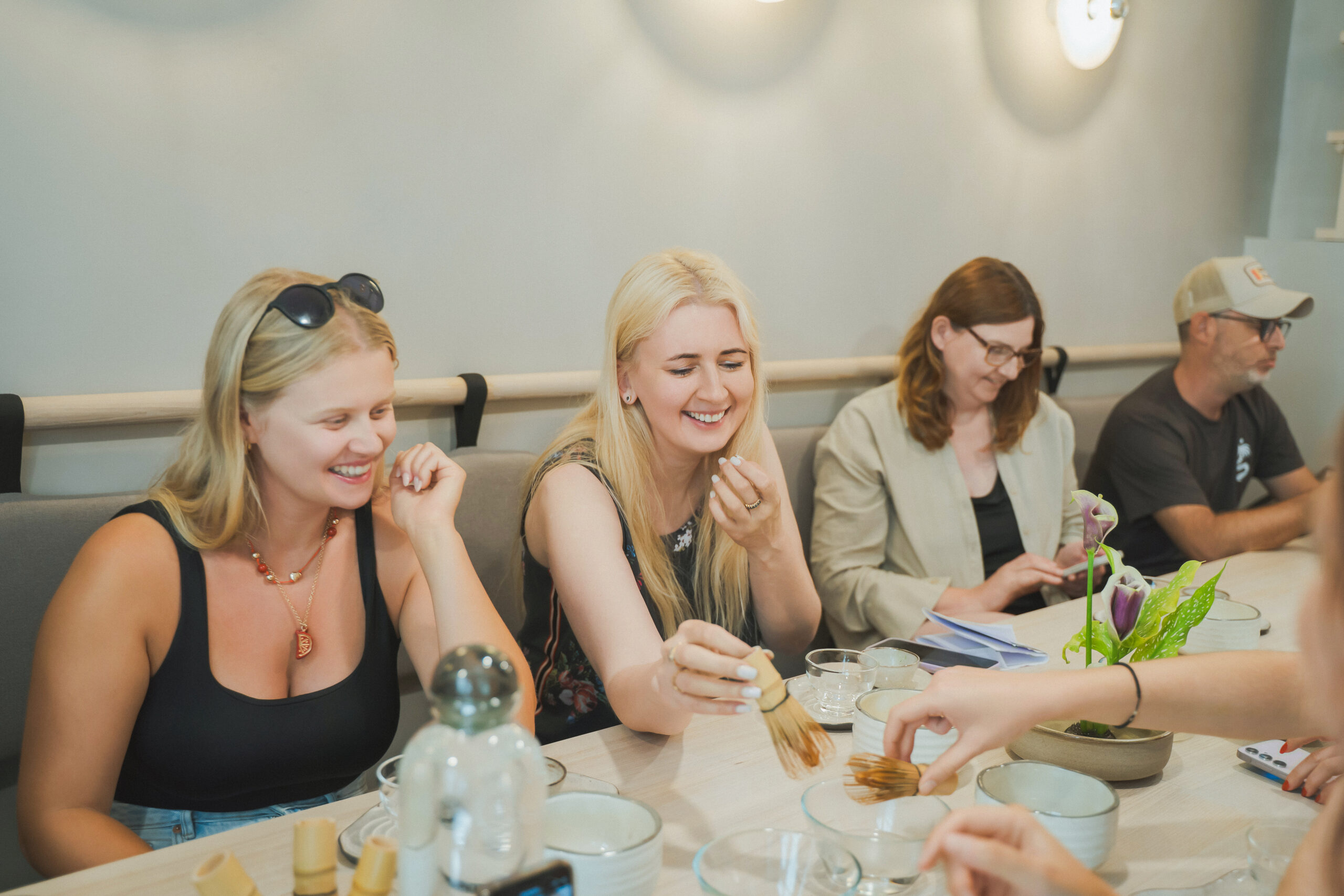
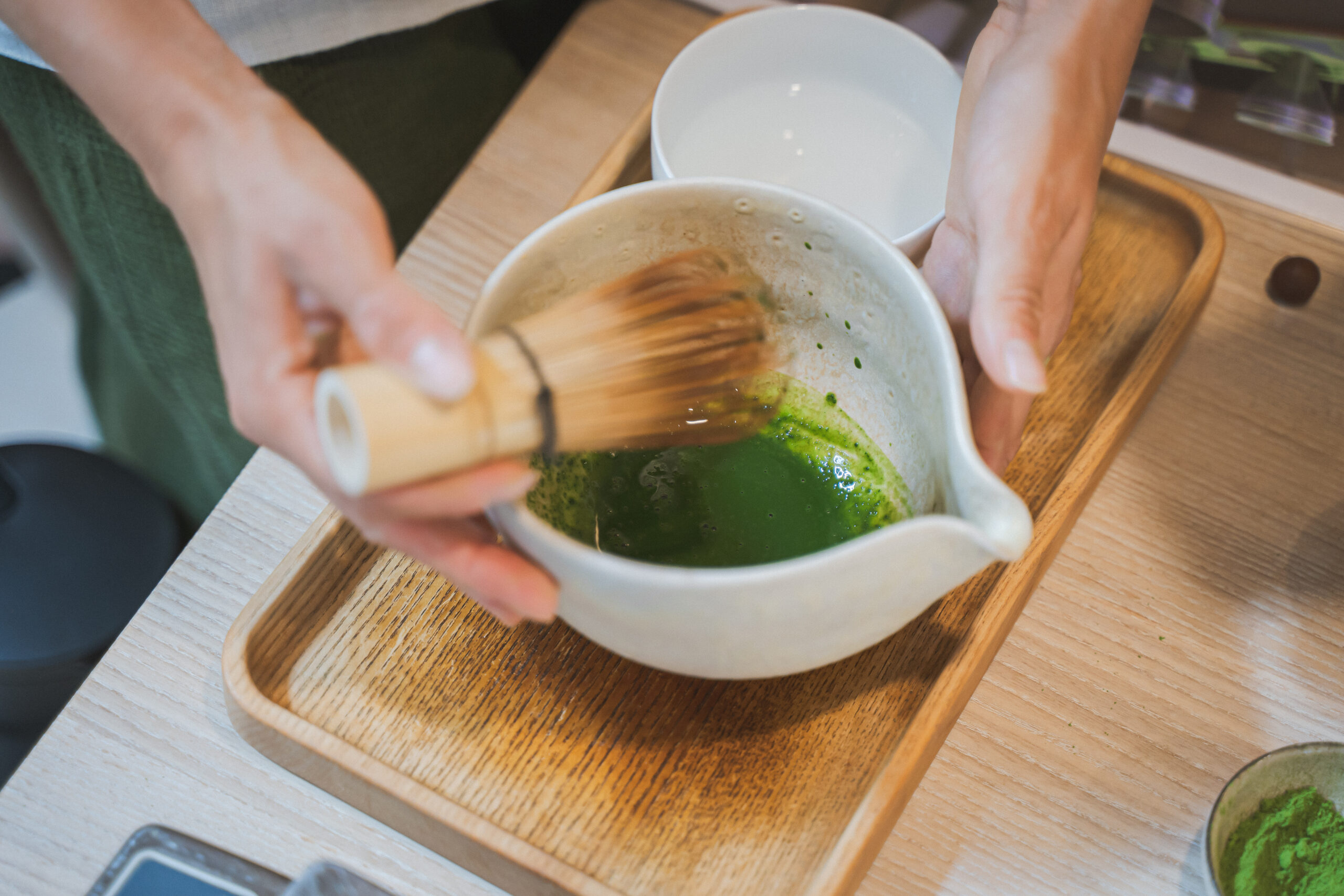
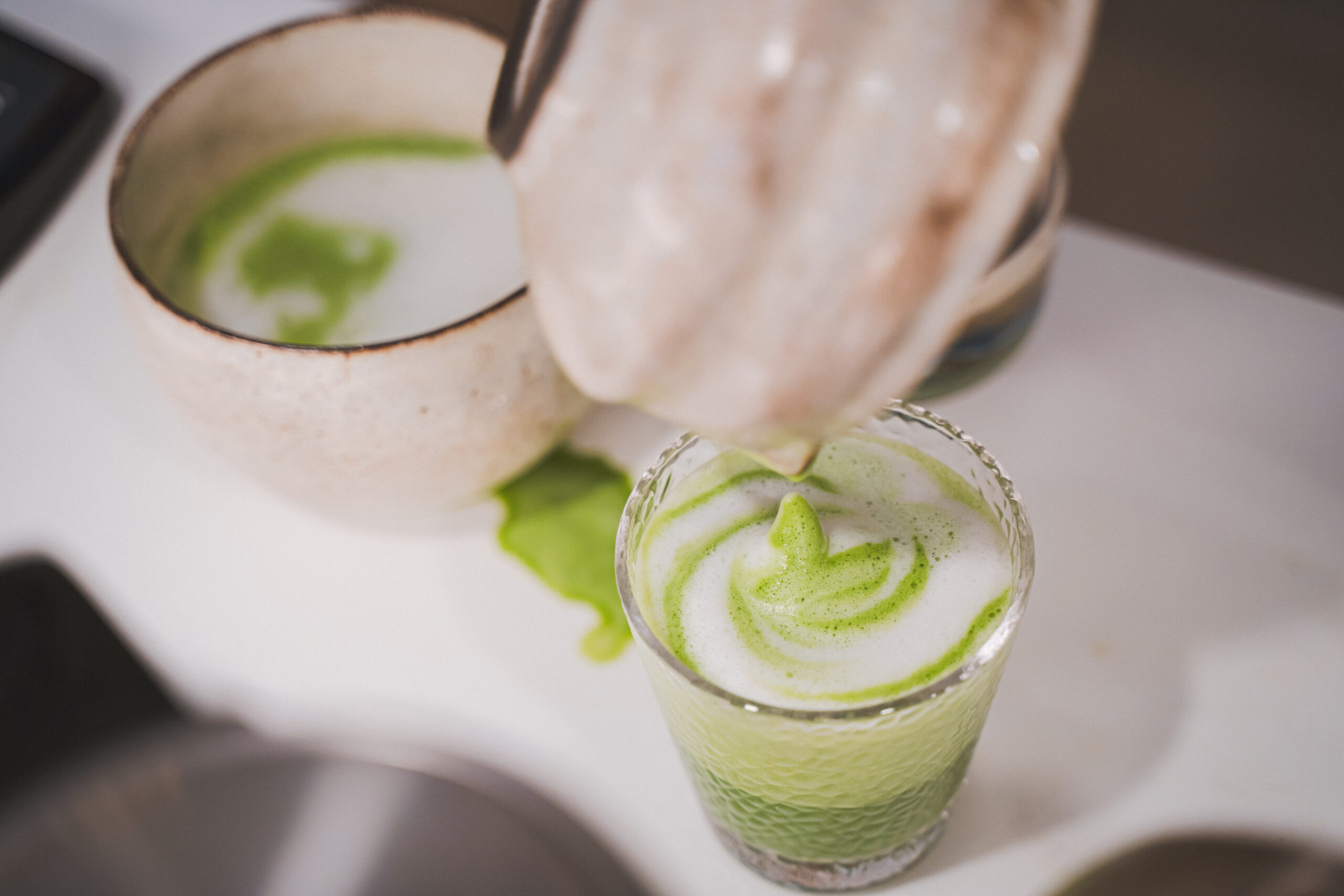
During your walk through the Old Town, don’t forget to stop at Yugen Tea. This spot offers exceptional teas sourced from small family farms in Japan, ranging from popular matcha to the gourmet-favorite premium gyokuro. The cafe was started by Giedrė, a Lithuanian who is deeply passionate about Japanese tea culture. After a ten-year journey, she opened this passion project to showcase uniqueness, innovation, and Japanese aesthetics through a Lithuanian’s eyes.
Traveling around Vilnius by electric public boat or kayaking in the Neris River is another brilliant way to see Vilnius from a watery perspective. Along the way, you’ll delight in rapidly changing views of architecture, parks, notably catching sights of Bernardine Park, Gediminas Castle, and the city’s iconic crossings – including the King Mindaugas, Green, and White bridges with their own artistic angles.
Kaunas
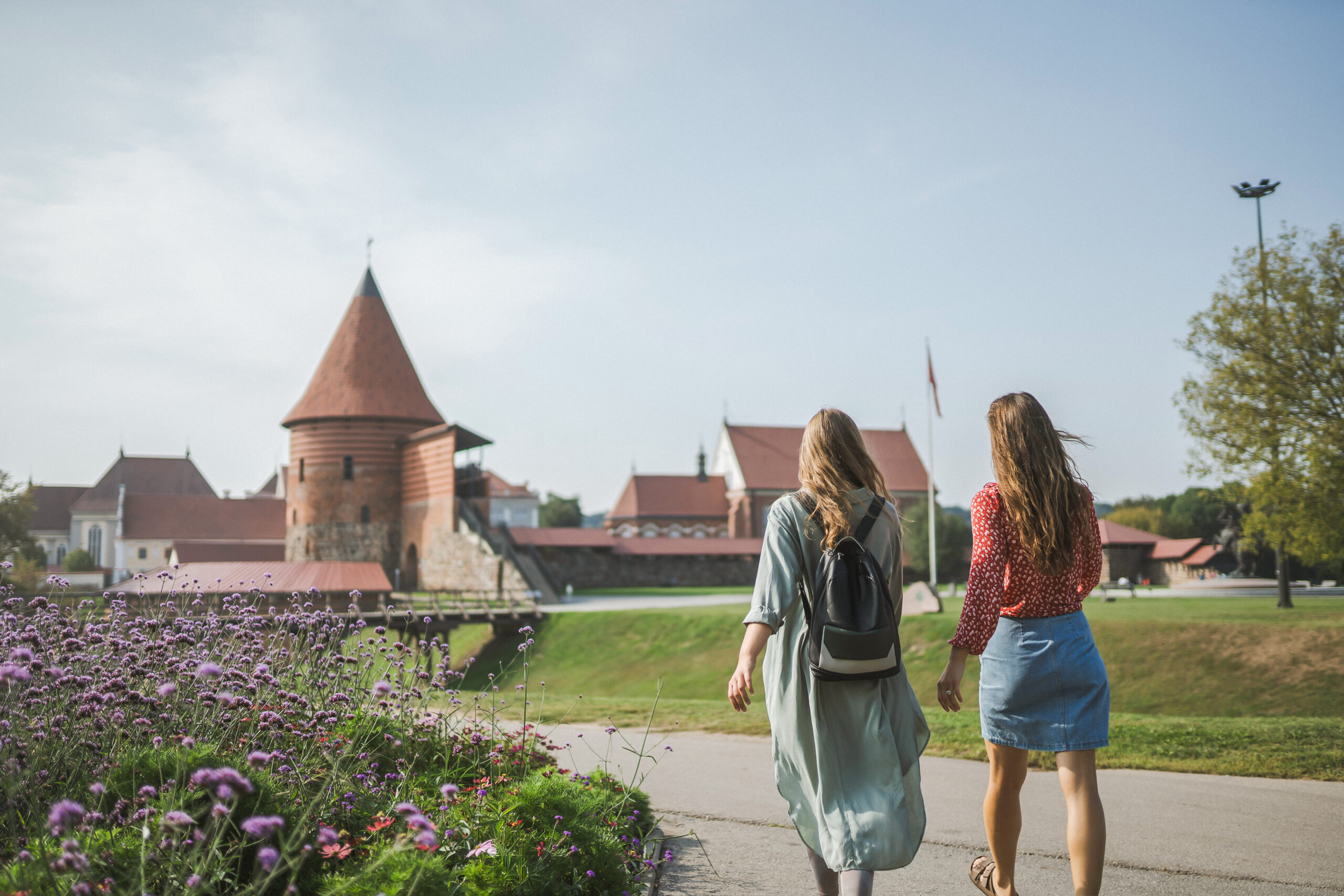
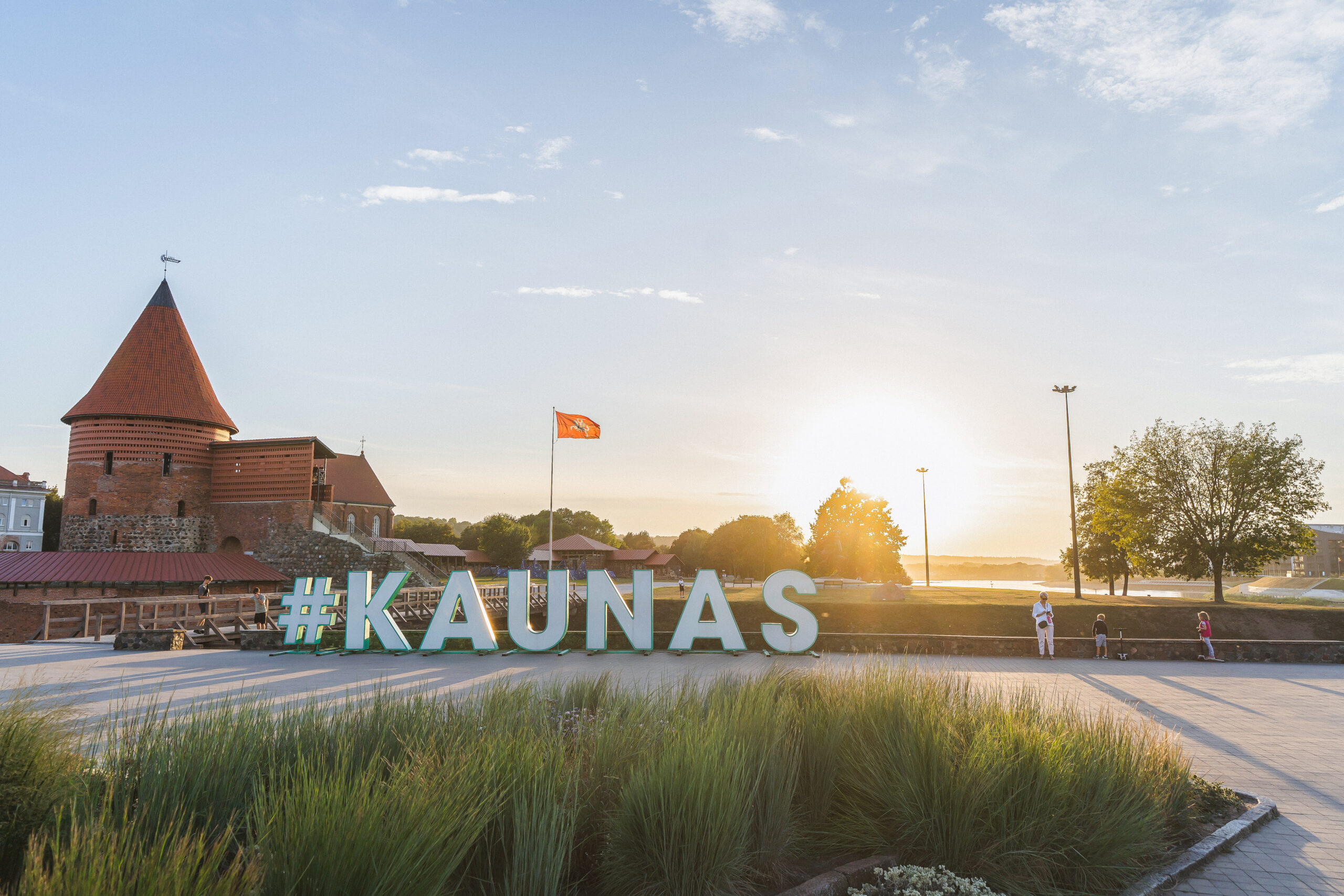
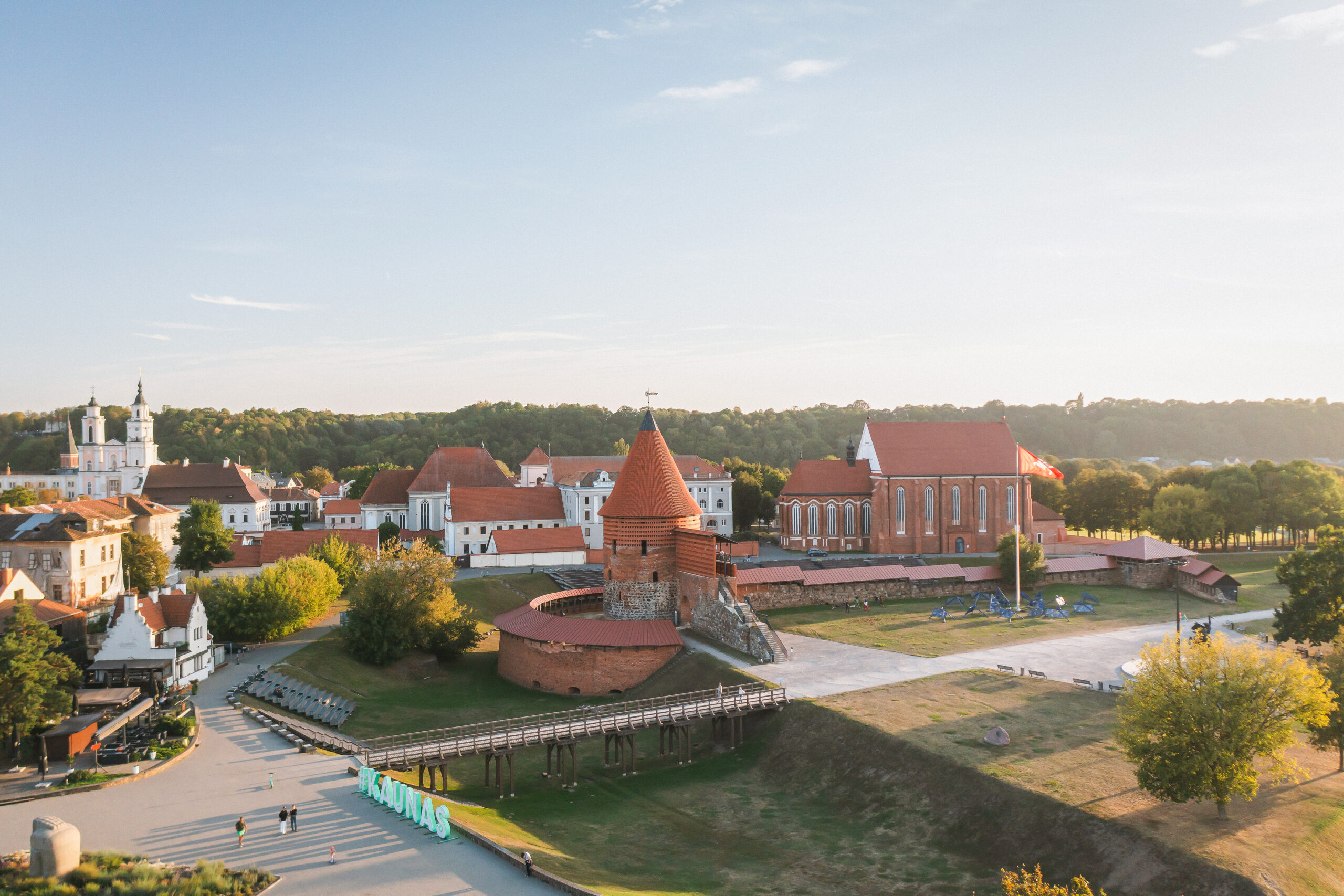
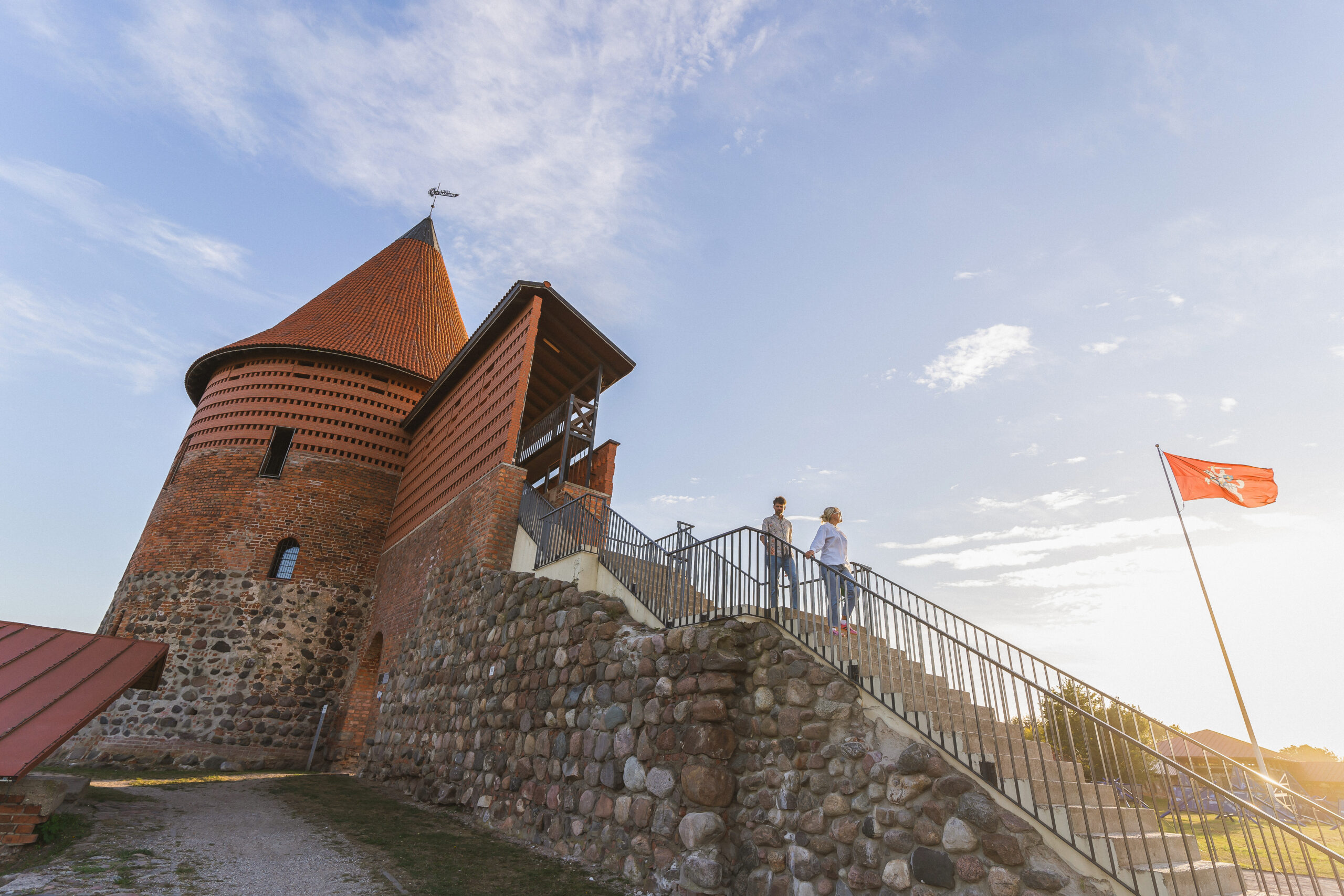
Kaunas, the second biggest Lithuanian city, survived different historical struggles. The city’s grand history is anchored by medieval Kaunas Castle, a magnificent Gothic defensive structure at the confluence of the Nemunas and Neris rivers built to repel the Teutonic Knights. But the true Kaunas uniqueness is reflected through its adopted modern interwar manner.
You can see this along Kaunas’ streets and especially at the Amsterdam School Museum, a unique cultural heritage site situated in the only building of such architectural style in the Baltics. Built in 1928 by architect Jokūbas Peras, it was recognized as part of a UNESCO World Heritage site in 2023. Rather than operating as a traditional gallery, the museum functions as an experiential space housed within a restored 140-square-meter apartment. This apartment, which once served as a filming location for HBO’s Chernobyl, has been revitalized into an authentic interwar residence. Access to the museum is exclusively granted through immersive two-hour guided tours that blend historical storytelling with drama, performance, scents, and tastes, providing visitors with a tangible feel for the daily lives, tragic wartime fates, and enduring legacies of the home’s original residents.
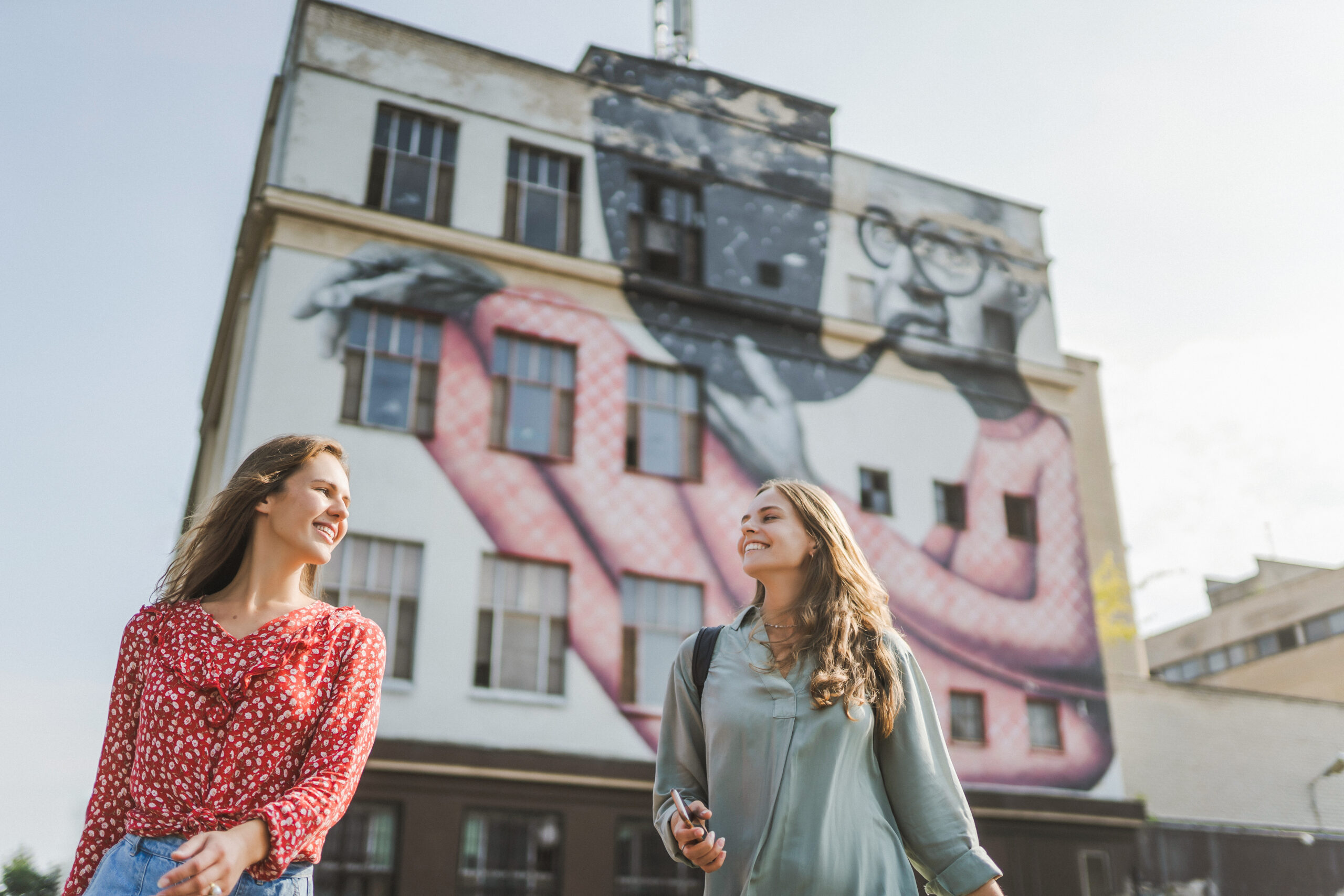
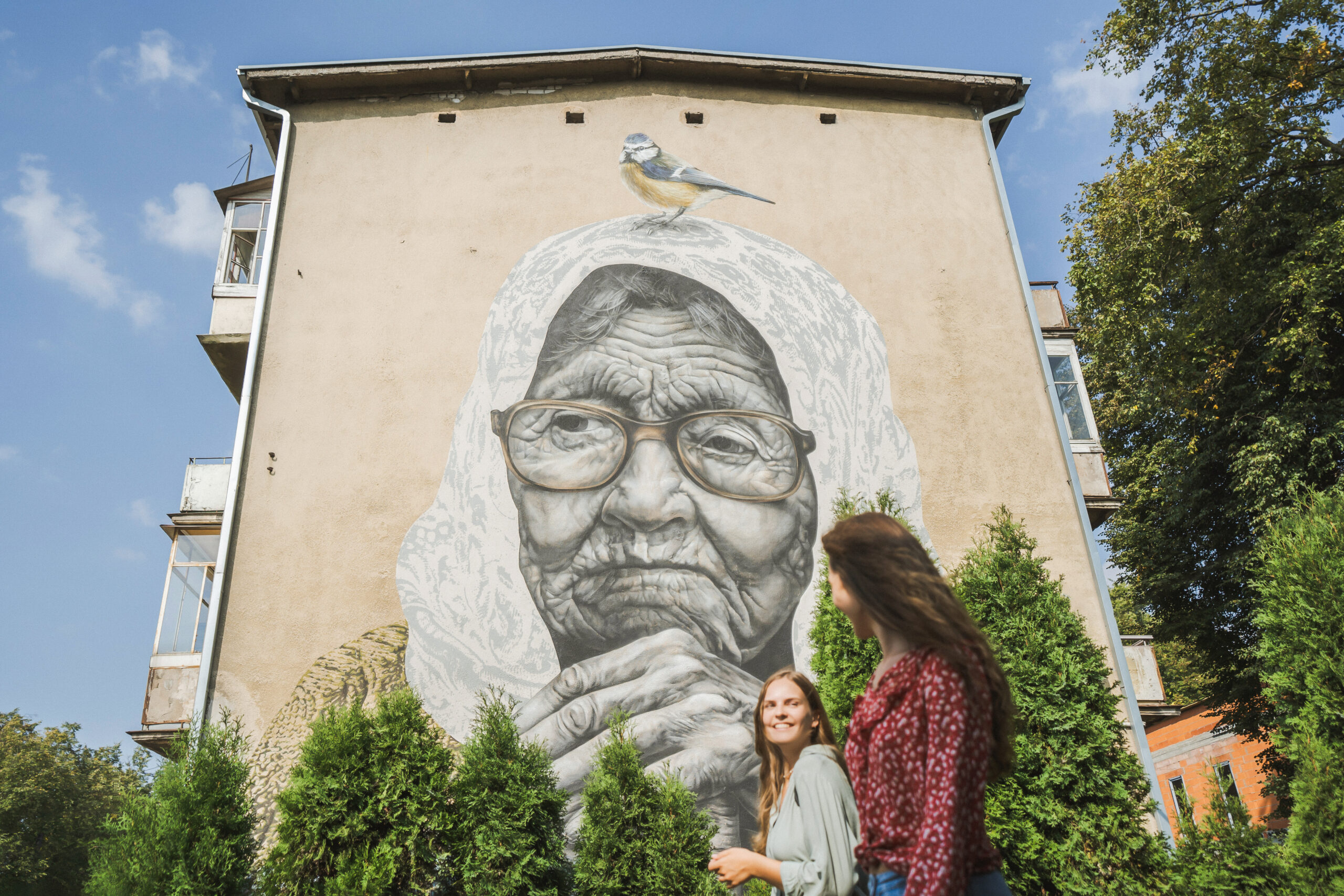
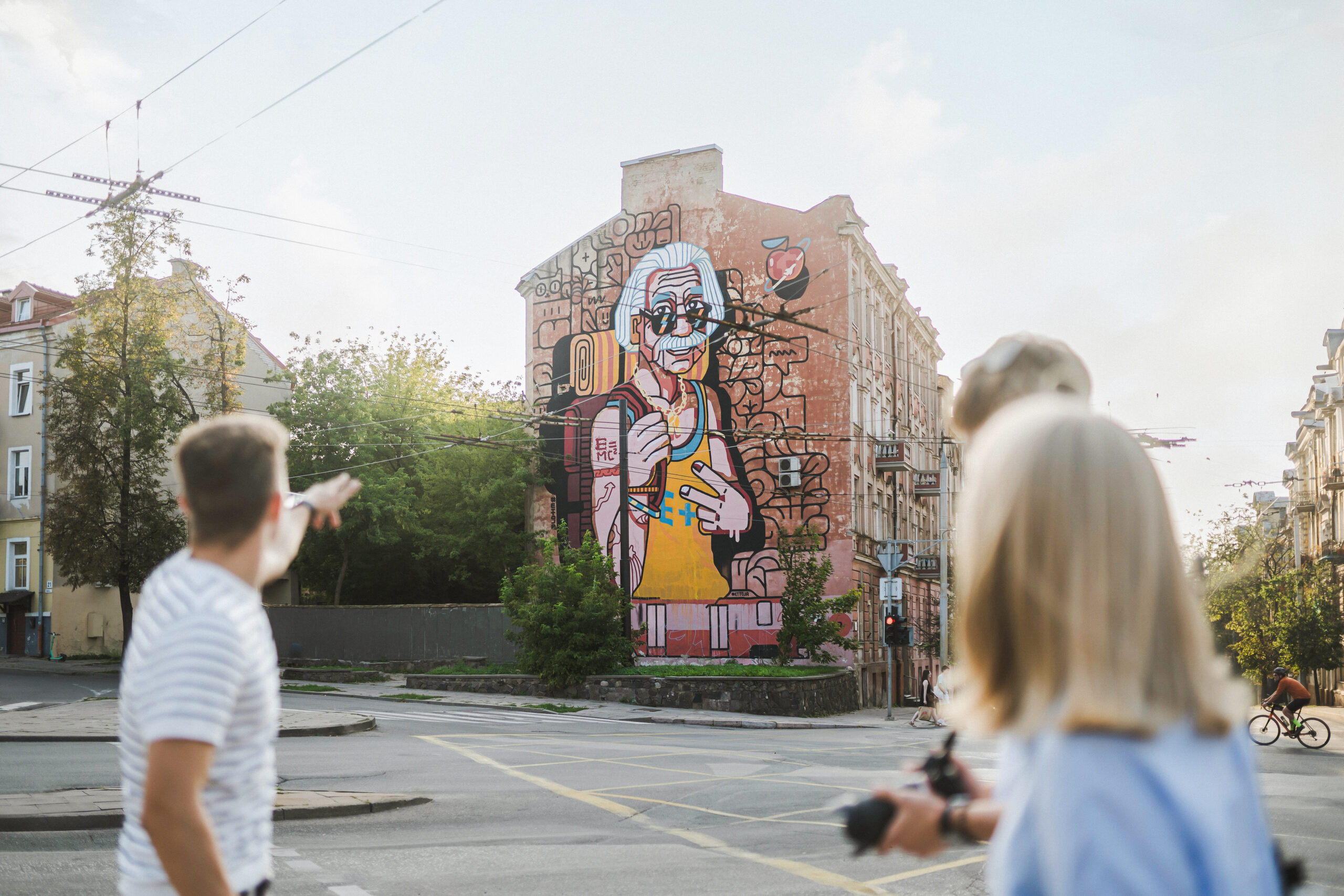
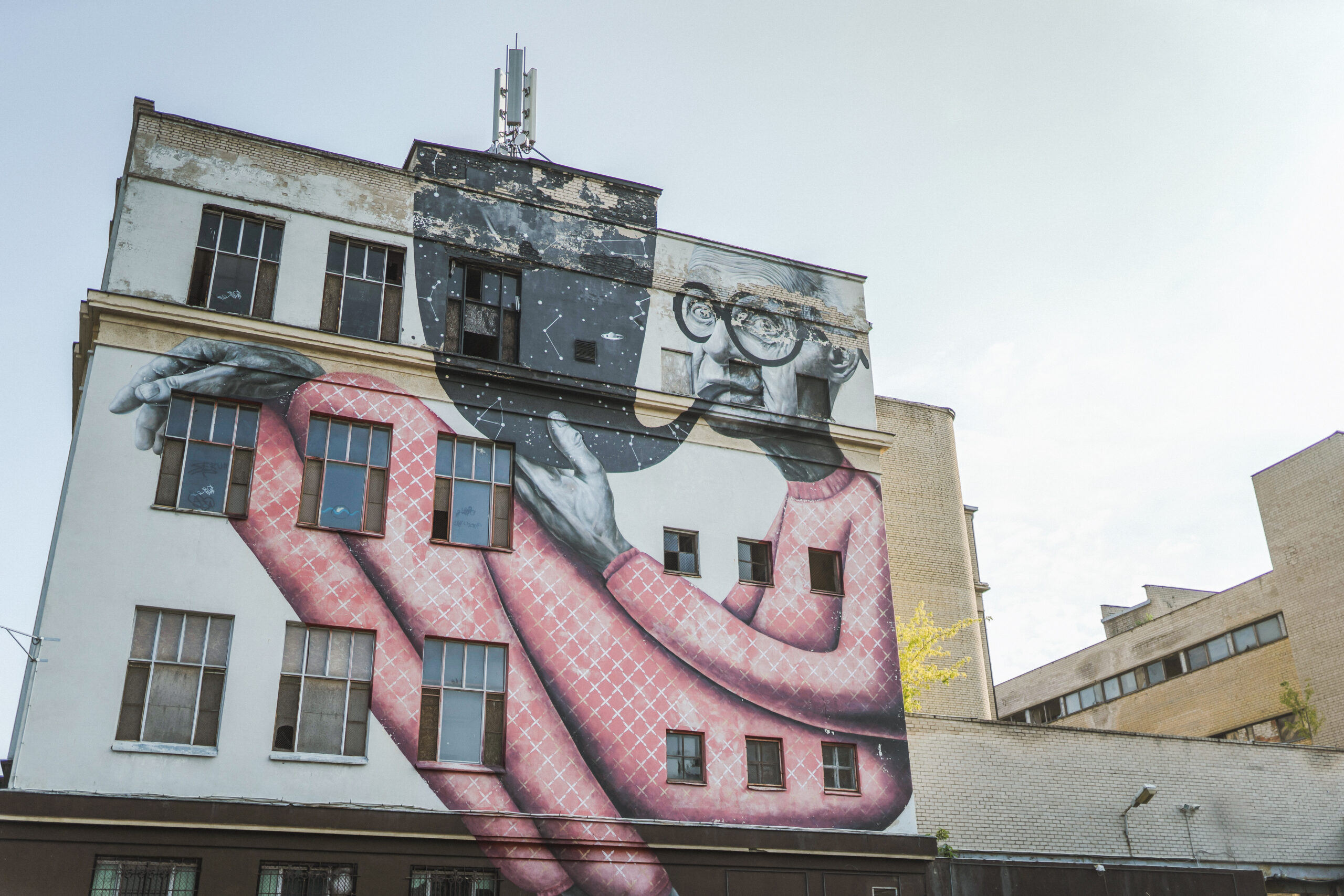
The city’s artistic essence is deeply integrated into its surroundings, centered around the M. K. Čiurlionis National Art Museum, the sole institution to house the entire creative output of Lithuania’s famous painter and composer. Beyond gallery walls, a vibrant street art scene thrives, rooted in a legacy of underground resistance. Highlights include the monumental 440 m² “The Wise Old Man”, celebrated as the nation’s first major piece of street art, and the “Courtyard Gallery”, a vivid artistic space located among homes once belonging to interwar Jewish families.
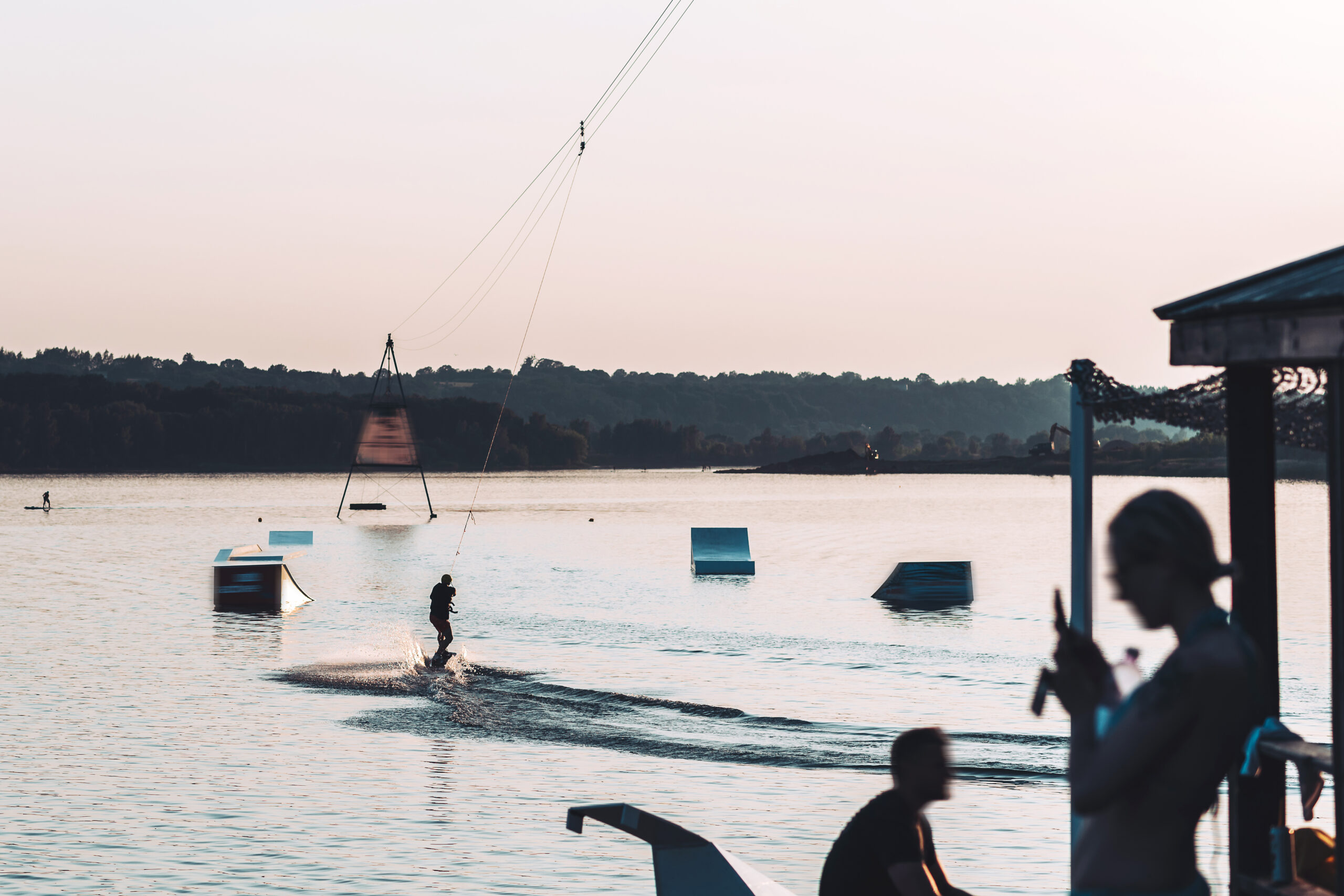
And when it’s time to unwind, the city’s residents go to Lampėdžiai Beach – the spot for camping, swimming, and active water sports. Of course, Kaunas gastronomy shouldn’t be left out of the equation as well. You can savor modernly presented traditional dishes at Višta Puode, enjoy a fantastic brunch and grilled sausages at Momo Grill, or experience the ambitious, innovative flavors of modern Lithuanian cuisine at Uoksas.
In addition to all recognitions, according to the Global Peace Index, Lithuania also ranks among the top 30 safest countries in the world, frequently outperforming other European nations. While travelers in many major European cities often face daily security concerns – such as theft, physical assaults, and the constant need to guard personal belongings – Lithuania offers a remarkably secure and welcoming environment, ensuring your next “coolcation” destination is both heat and danger-free.