



In today’s hospitality industry, creating a memorable dining experience goes far beyond serving delicious food. Guests increasingly expect environments that are visually appealing, organized, and reflective of a restaurant’s brand identity. One of the most powerful yet often overlooked ways to engage customers is through thoughtful table design.
From menus and table signage to check presenters and menu holders, every item a guest interacts with communicates subtle messages about quality, professionalism, and attention to detail. Restaurants that invest in well-considered table presentation can enhance guest satisfaction, strengthen their brand, and encourage repeat visits.
Why Table Design Matters
When guests sit down, the table becomes the focal point of their interaction with the restaurant. It is where first impressions are formed, often before food is even served. Elements such as clean organization, elegant menu covers, and accessible table signage can significantly shape the guest experience.
Thoughtful table design has multiple benefits:
- Creates a welcoming atmosphere. Guests feel more comfortable and relaxed at well-arranged tables with visually appealing accessories.
- Reinforces brand identity. Design choices like material, color, and style communicate the restaurant’s concept and target audience.
- Improves functionality. Clear organization and practical elements streamline the guest experience and reduce confusion.
By focusing on these details, restaurants demonstrate professionalism and a commitment to quality that guests notice and appreciate.
Menus and Menu Covers: More Than Just Paper
Menus are one of the primary touchpoints for a guest at the table. The way a menu is presented – whether in a leather-bound cover, a wooden board, or a sleek acrylic holder – can influence the perception of the restaurant.
Premium menu covers signal sophistication, while minimalist or creative designs can convey a modern and approachable atmosphere. The material and design of a menu should align with the restaurant’s overall brand strategy to create a cohesive experience.
High-quality menu holders, check presenters, and table tents for restaurants serve a functional purpose while enhancing the aesthetic appeal. For restaurants looking to highlight specials, promotions, or guest information in a polished way, table tents for restaurants are an excellent solution. They combine visibility, style, and functionality, helping guests engage with your offerings while keeping tables organized.
Small Details Drive Engagement
It’s often the smallest details that make the biggest difference in customer engagement. Thoughtfully placed table tents, promotional signage, and clearly labeled condiments help guests navigate the menu and feel cared for.
For example, a table tent highlighting a chef’s special or dessert promotion can subtly encourage additional orders, increasing revenue without pressuring the guest. QR menu stands provide a modern, contactless solution that guests appreciate, keeping the table free of clutter while offering easy access to digital menus.
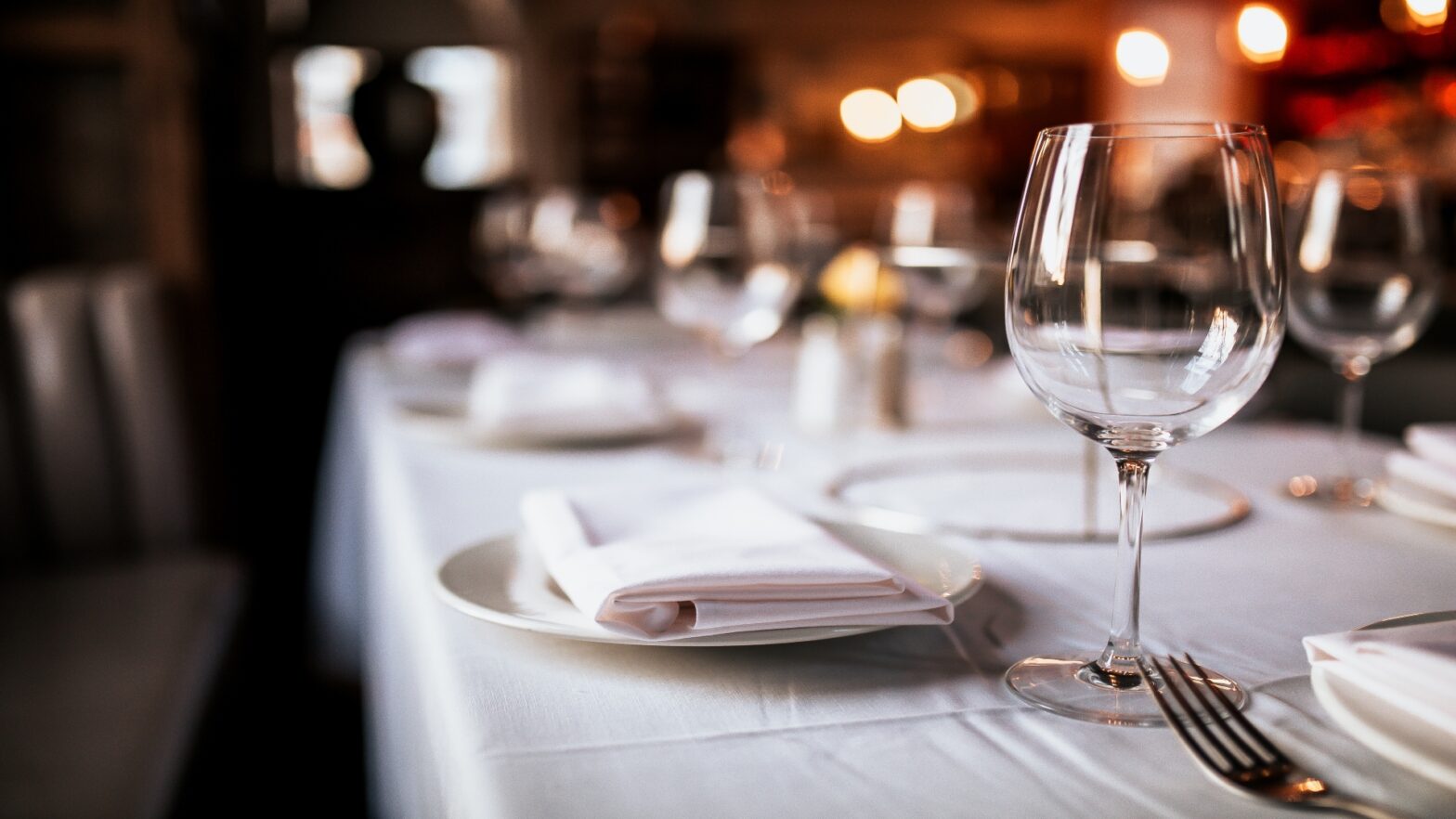
Even subtle elements, like the placement of cutlery, napkins, or decorative touches, contribute to the overall impression. Guests notice when a restaurant invests in thoughtful design, which can lead to better reviews, social media shares, and word-of-mouth referrals.
Aligning Table Design With Brand Identity
Consistency across all table elements is essential for reinforcing a restaurant’s brand. Menus, table tents, check presenters, and accessories should follow a unified visual language.
Restaurants with a rustic or organic concept might choose wooden menu boards, leather check presenters, and natural textures. Urban, contemporary establishments could lean toward metal finishes, minimalist typography, and sleek acrylic stands. This consistent design approach creates a seamless visual story that guests associate with the brand.
Customization, such as embossed logos, brand colors, or unique textures, further strengthens the connection between the restaurant and its guests. When customers experience a cohesive and intentional design, they are more likely to feel a personal connection to the brand.
Practical Tips for Thoughtful Table Design
Restaurants can enhance customer engagement through a few key strategies:
- Audit existing table items. Remove worn, mismatched, or outdated accessories.
- Invest in quality materials. Durable, stylish items maintain a professional appearance over time.
- Focus on functionality. Ensure menus, table tents, and check presenters are easy to use and navigate.
- Use visual hierarchy. Highlight specials or promotions without overwhelming the table.
- Align with brand identity. Every element should reinforce the restaurant’s concept and target audience.
Even small investments in table presentation can yield measurable results in customer satisfaction, repeat visits, and word-of-mouth referrals.
Social Media and Guest Perception
Visually appealing table design also encourages social media sharing. Guests frequently photograph their meals, and well-presented tables can enhance these posts.
Stylish menu holders, table tents, and branded accessories can become part of the visual identity that spreads online, effectively promoting the restaurant to potential new guests. Restaurants that focus on these details often enjoy organic marketing exposure without additional cost.
Conclusion
Thoughtful table design is a simple yet powerful way to enhance customer engagement. By focusing on quality menus, functional and stylish table accessories, and a consistent brand presentation, restaurants can elevate the guest experience, strengthen their brand identity, and create memorable moments that encourage loyalty.
Investing in professional table accessories such as table tents for restaurants is more than an aesthetic choice – it is a strategic decision that communicates care, professionalism, and attention to detail. In a competitive hospitality market, these small but intentional touches can make all the difference in shaping guest perception and building a stronger, more recognizable brand.