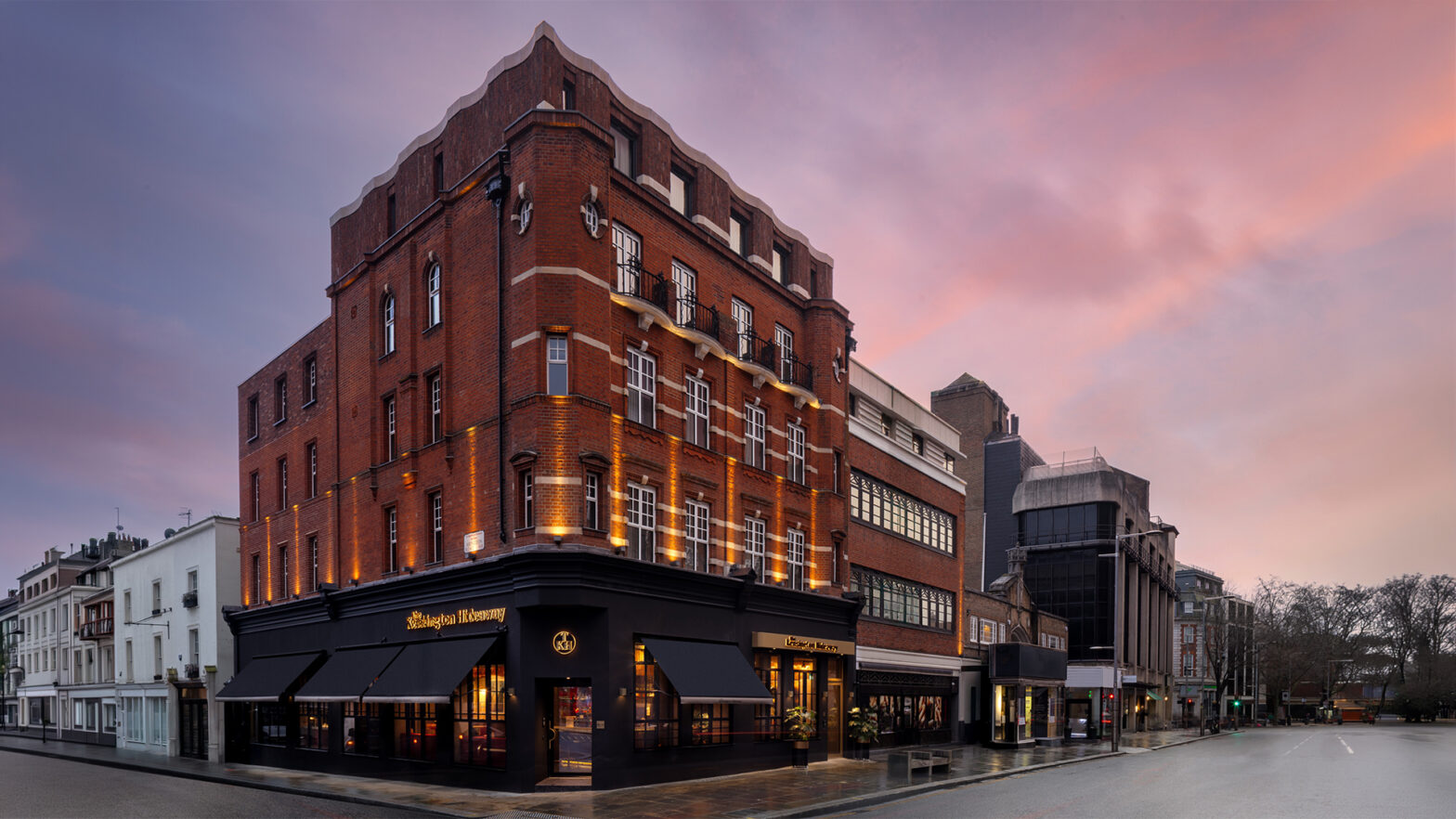








Scroll through enough London listings and you start noticing something a bit off. Only half of the flats in the name of “premium” seem to be any different from a normal new development three streets away – just that the pictures are brighter.
The question then becomes, what is the difference between a true high-end flat and one that is just “made to look high-end?
What “premium” actually means in this market
There’s no official rulebook for this, but agents and analysts tend to land in roughly the same place. Many treat £1 million as the rough starting line for luxury property in London, though that number stretches or shrinks depending on the borough and the building in question.
A flat can clear that £1 million mark comfortably and still fall short of what a genuinely premium home should deliver, if the location, service, or build quality don’t quite add up.
Prime versus super-prime, and why the gap is bigger than people think
The terms “prime” and “super-prime” are used interchangeably. They don’t. Prime property sits in established, desirable neighbourhoods, Islington, parts of Chelsea, Notting Hill, with strong finishes and a solid address, but without the extreme scarcity you find further up the ladder.
Mayfair, Belgravia, Knightsbridge, prices that regularly clear £10 million or £4,000 per square foot, and features most buyers will genuinely never use, private cinema rooms, wine cellars, wellness suites built for one household.
Once you know which category a listing actually sits in, you can work out whether you’re paying for the property or paying for the postcode on the buzzer.
The features that actually justify the price tag
Once the address checks out, premium flats tend to share a fairly consistent set of traits. They tend to be the actual reason the price sits where it does.
- Private lift access straight into the flat, not a shared lobby you queue for at 8 am
- A concierge team on site, sometimes stretching to valet parking or housekeeping
- Wellness facilities such as a private gym, spa bathroom, or residents’ pool
- Serious security, separate staff entrances, controlled access, the works
- Interiors handled by a named designer, using materials that aren’t easy to source twice
You can’t easily retrofit a private lift into a Victorian mansion block, which is exactly why buildings that already have one can charge for it.
The small details separate good from premium
Beyond the headline amenities, it’s usually the quieter design choices that give a flat away. High ceilings in a period conversion. A plan that doesn’t require you to go down a long dark hallway to access your bedroom. Windows that actually face a garden square instead of next door’s brick wall.
In Kensington and Chelsea, and 180sqm per flat throughout Westminster. Sprawling luxury apartments in the central postcodes are very hard to find, as that’s something of what makes them premium. Scarcity does a lot of the pricing work here, not just finish quality.
Where London’s premium flats are actually concentrated
Location still carries more weight than almost anything else in this corner of the market. Mayfair, Belgravia, Knightsbridge, Chelsea, Kensington and St John’s Wood remain the traditional core, and demand there has held up better than the wider market through quieter periods, according to Knight Frank’s residential research.
Bayswater is worth watching. The area that felt a notch below its Notting Hill neighbours is getting hotel services on a large scale. When choosing between an established and a clearly growing postcode, it’s better to compare actual london flats for sale rather than relying on reputation for this choice. The price difference per square foot is not always as large as one would think.
Where buyers tend to trip up
A handful of assumptions come up again and again once people start looking seriously at this end of the market.
First, there’s the idea that new-build automatically beats period property. It doesn’t. Some of London’s most sought-after premium flats sit inside restored historic buildings, not glass towers with a gym in the basement.
Second, buyers forget that almost everything here is leasehold. Lease length has a direct, unglamorous effect on mortgage approval and resale value later, no matter how nice the marble is in the entrance hall.
Third, service charges get underestimated constantly. A building with a pool, a gym and a full-time concierge doesn’t run on goodwill.
And fourth, people treat “prime” and “super-prime” as roughly the same thing, when the price gap between them can run into the millions.
What to actually check before you commit
A short list of checks before signing anything can save a lot of grief further down the line.
- Ask for at least two years of service charge accounts, not just this year’s estimate.
- Check how many years are left on the lease. Under 90 and it can start affecting mortgage options.
- Ask exactly what the concierge covers. The word gets used loosely, and coverage varies a lot between buildings.
- Find out whether ground rent is fixed or has an escalation clause built in. Reform is moving through Parliament right now, and the current government guidance on leasehold charges is worth a read before assuming anything about future costs.
- If possible, visit during various times of the day. The lobby that looks serene on Tuesday morning can be like the hotel lobby at rush hour by Friday.
Final thoughts
A premium flat in London was never about one standout feature or a single impressive number on the listing. It’s the combination of address, design, service and lease terms that separates something genuinely high quality from a flat that’s simply been marketed to sound that way. Check the substance behind the brochure, not just the brochure itself, and you’ll be in a far stronger position before any offer goes in.