





What Jewelry a Bride Should Wear to Complete Her Wedding Look
Wedding jewelry should complete a bridal look without competing with the gown or wearing the bride down. The best choices follow the dress’s neckline, fabric, and level of detail while still feeling personal. Earrings, necklaces, bracelets, and rings each shift an outfit’s balance, so every piece deserves a clear reason. With a few practical decisions, a bride can create a polished look that photographs well and remains comfortable through the ceremony and reception. The dress provides the starting point.
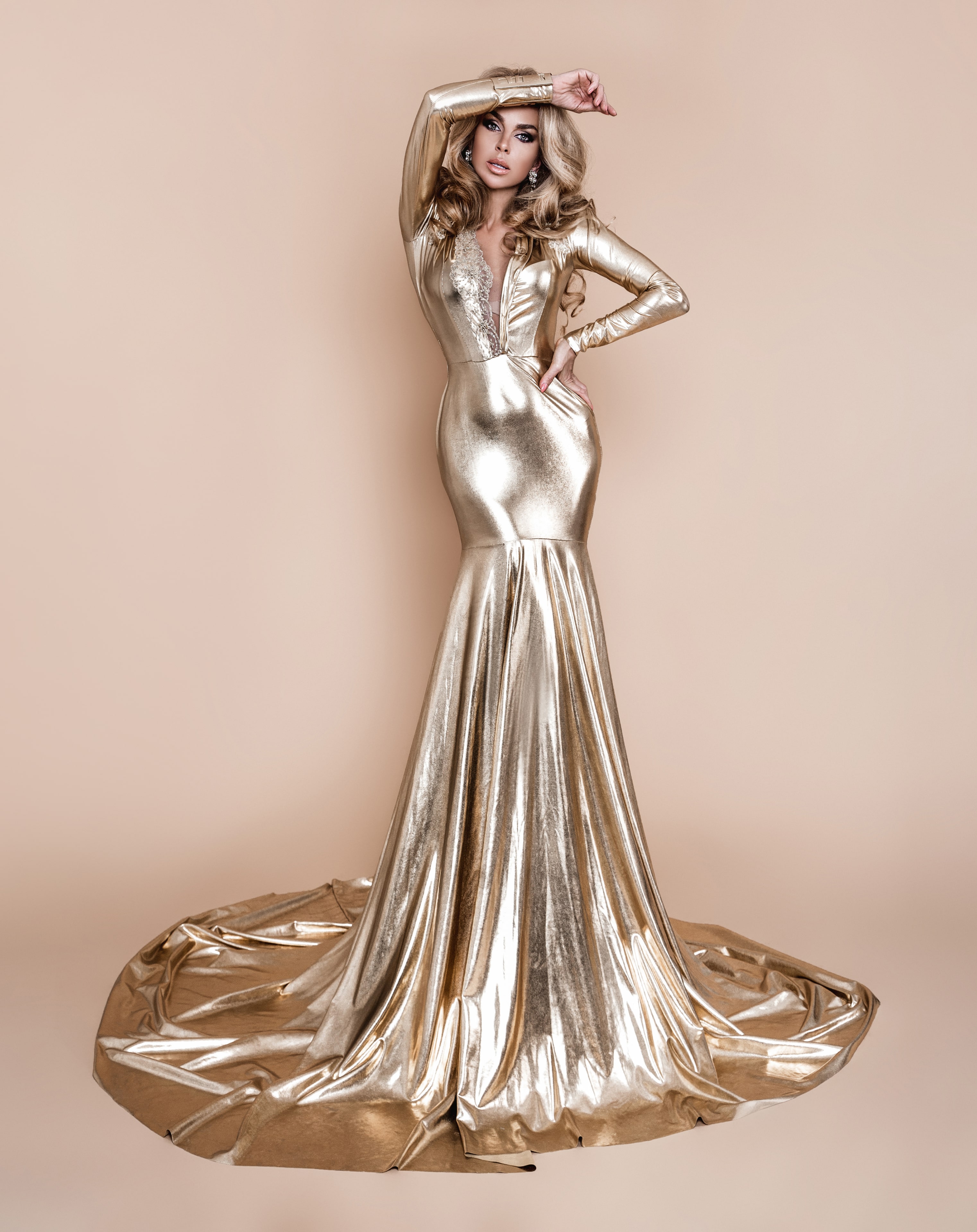
The dress sets the visual direction for bridal jewelry. Its neckline, fabric, embellishment, and silhouette should guide each selection. A useful guide to what jewelry bride should wear begins with balance: let one area lead while the others support it. A simple gown can carry a distinctive necklace, while a detailed bodice often needs earrings or a bracelet. This approach keeps the outfit clear in person and in photos.
1. Match Jewelry to the Dress
A heavily beaded gown already contains visual detail, so small earrings or a slim bracelet can preserve its shape. A plain silk or crepe dress leaves more room for a sculptural necklace, bold earrings, or an unusual ring.
The dress’s style also guides the metal and finish. Vintage-inspired clothing suits heirloom pieces and softer forms, while a clean contemporary gown pairs neatly with polished gold or geometric designs. Exact matching isn’t necessary; thoughtful contrast can make the outfit feel personal.
2. Choose Earrings for Visibility and Comfort
Earrings usually show up in photos, especially with an updo or hair tucked behind the ears. Diamond studs provide controlled sparkle, while drop earrings add movement and draw attention toward the face.
Hair length changes the choice. Long earrings can disappear beneath loose hair, so larger shapes suit covered ears. An updo exposes more of the earring, so a smaller design can still stand out.
Comfort matters during a long ceremony and reception. Heavy earrings can pull on the earlobes, while sharp edges can catch on hair or a veil.
3. Decide Whether a Necklace Fits
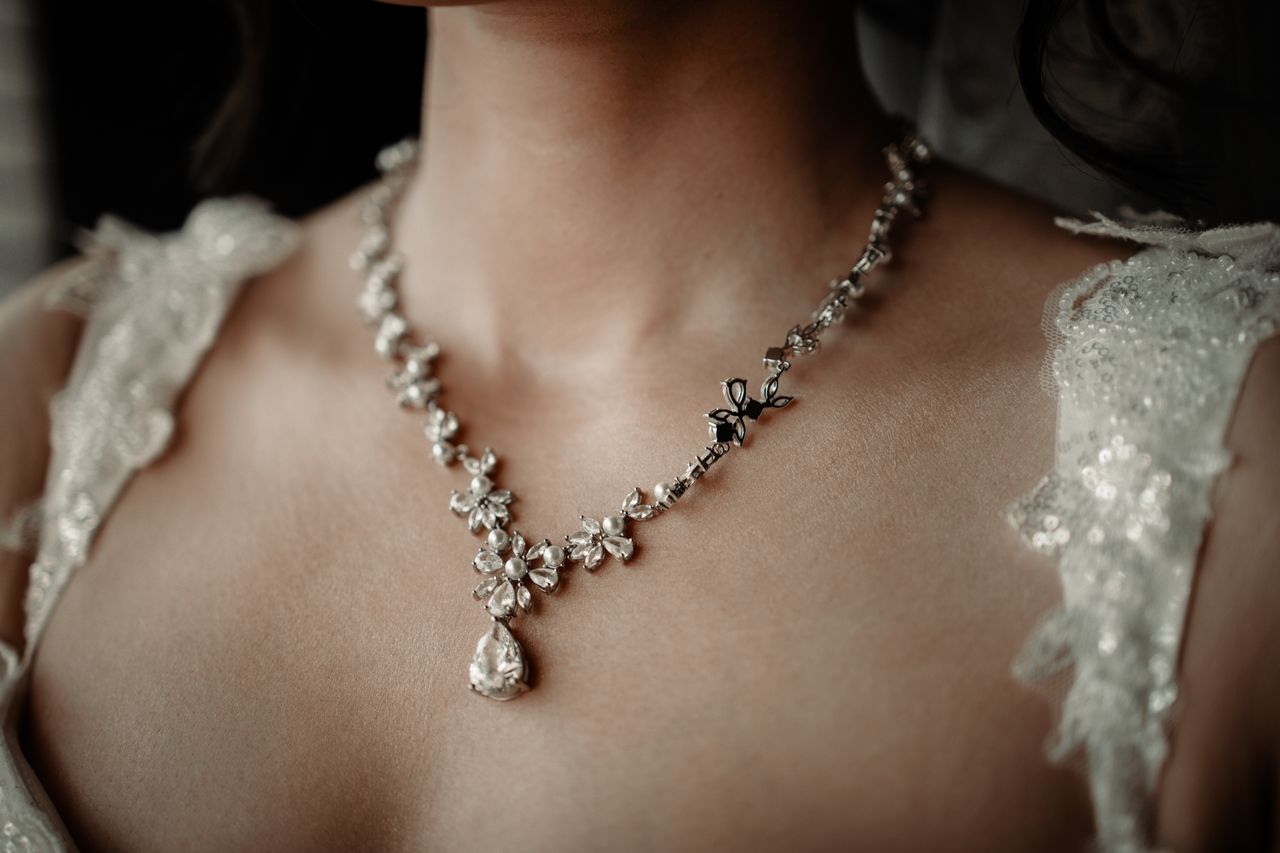
A necklace works best when it follows the open space created by the gown. A strapless or sweetheart neckline leaves room for a pendant, while a V-neck suits a pendant that follows its downward line.
High collars, illusion panels, elaborate lace, and dense beading often look cleaner without a necklace. Leaving the neck bare also lets statement earrings take center stage and keeps the upper half of the outfit from feeling crowded.
The chain length should suit the neckline rather than sit directly on its edge. A pendant resting against beading can be hard to see and may catch on delicate fabric.
4. Add a Bracelet With Care
A bracelet adds another point of detail to the hands and wrists, which suits sleeveless, strapless, and short-sleeved gowns. Close photographs of the bouquet, rings, and hands also bring this piece into view.
Long sleeves or heavy embellishment require more caution. A bracelet can catch on lace, snag threads, or disappear beneath the cuff. A slim design usually works better when the sleeve already supplies texture.
The bride should also consider how the bracelet sits beside the engagement ring and wedding band. A coordinated metal creates a quiet connection, while a different metal works when mixed jewelry already appears elsewhere.
5. Keep Rings and Personal Pieces in Balance
The engagement ring and wedding band remain central throughout the wedding day. Other jewelry should frame them without crowding the hands.
Yellow gold, white gold, and platinum can appear together when the combination reflects the bride’s usual style. Consistency in finish, scale, or shape helps the mix look deliberate.
Family jewelry adds meaning without requiring a traditional bridal style. A brooch, heirloom pendant, or redesigned ring can connect the wedding outfit to family history while remaining useful after the ceremony.
Conclusion
The best bridal jewelry follows the gown, the bride’s daily style, and the practical demands of the day. Start with the neckline, select one focal piece, then check how the remaining jewelry supports it. Test every item with the hairstyle, veil, sleeves, and rings before the wedding. A final mirror check in natural light can reveal crowded areas or hidden pieces, giving the bride time to remove one accessory and keep the finished look balanced.