






A premium facial moisturizer should do more than leave the complexion feeling soft. Its formula should match your skin barrier, oil balance, sensitivity level, and daily routine. Price may reflect research, ingredients, packaging, or testing, but cost alone does not predict suitability. Careful selection helps reduce tightness, excess shine, clogged pores, and irritation. A practical review of texture, active compounds, evidence, and application habits makes the decision more reliable.
Skin responds differently to occlusive oils, humectants, botanical extracts, and active compounds. A suitable luxury face cream should provide lasting comfort without creating heaviness or redness. Texture matters because regular application supports better results than occasional use. Buyers should examine the intended skin type, ingredient list, clinical claims, packaging, and return policy before adding any premium moisturizer to a daily regimen.
Start With Skin Type
Skin type offers the clearest starting point. Normal complexions often tolerate balanced formulas, while dry surfaces may need richer products containing lipids, plant oils, or shea butter. Combination skin can benefit from moderate hydration, especially across the cheeks. Oily users may still require moisture after cleansing, exfoliation, or retinoid use. A lighter cream can reduce surface tightness without adding a greasy film.
Choose the Right Texture
Texture affects comfort, absorption, and how often you apply it. Whipped formulas often suit normal or dry complexions because they create a cushioned finish without feeling dense. Light creams usually work well for combination or mildly oily skin. Richer options may help very dry areas, particularly during colder months. The best product absorbs evenly, leaves minimal residue, and does not trigger shine, flaking, or discomfort.
Check the Ingredient Profile
Ingredient lists reveal how a formula may support the outermost skin layer. Glycerin and hyaluronic acid attract water, while ceramides, cholesterol, and fatty acids help reinforce the skin barrier. Antioxidants may reduce oxidative stress from environmental exposure. Botanical extracts can offer calming or brightening effects, although tolerance varies. Fragrance deserves attention because scented products may aggravate reactive complexions. A shorter list doesn’t automatically mean higher quality.
Look for Active Compounds
Premium moisturizers often feature named compounds with defined functions. Antioxidant blends may help defend cells from free-radical damage, while signaling ingredients can support firmer-looking skin. Assess claims alongside testing details, concentration information, and study length. Attractive packaging or celebrity association cannot replace evidence. Realistic expectations remain important because topical products usually produce gradual changes.
Consider the Daily Routine
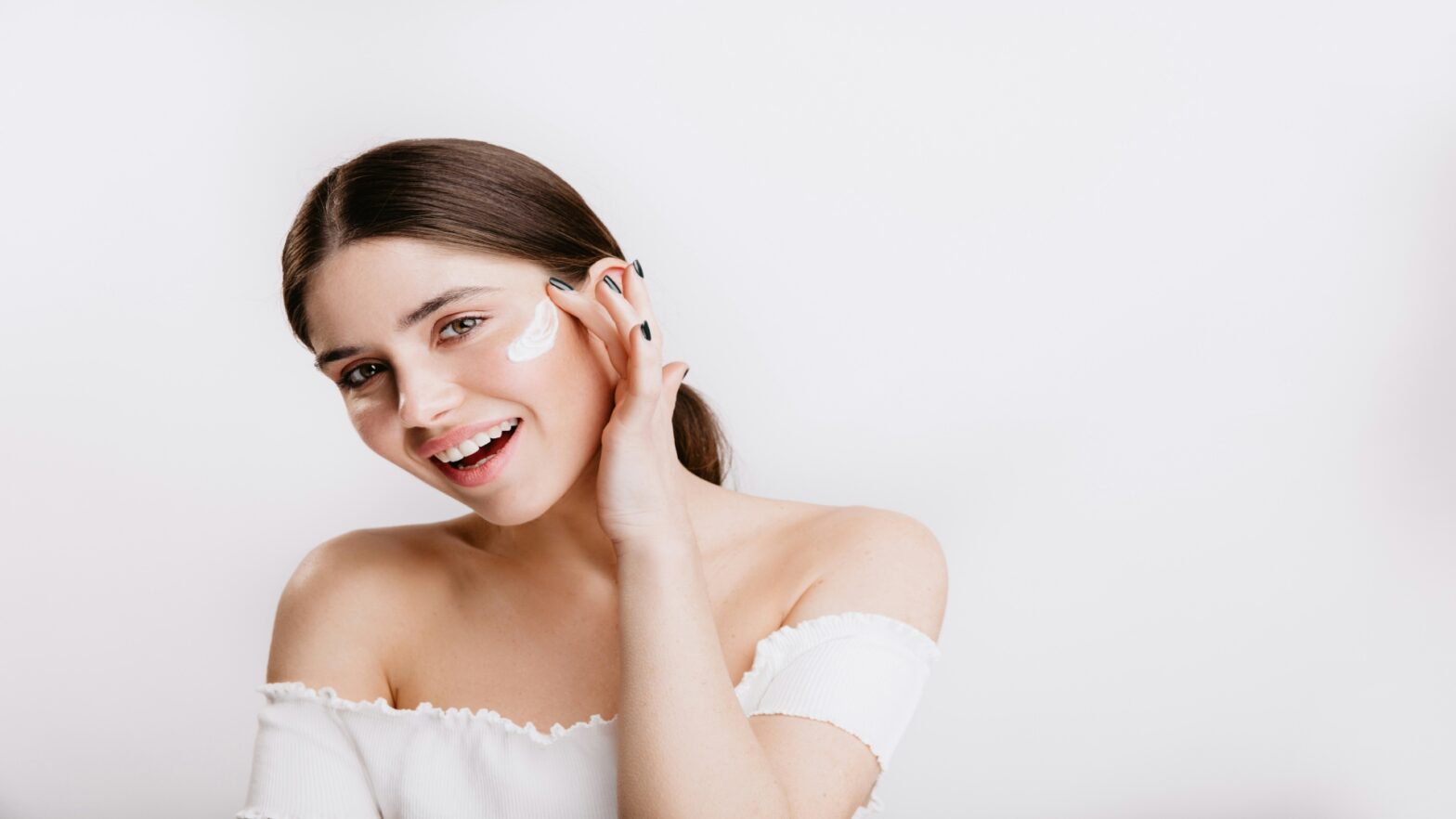
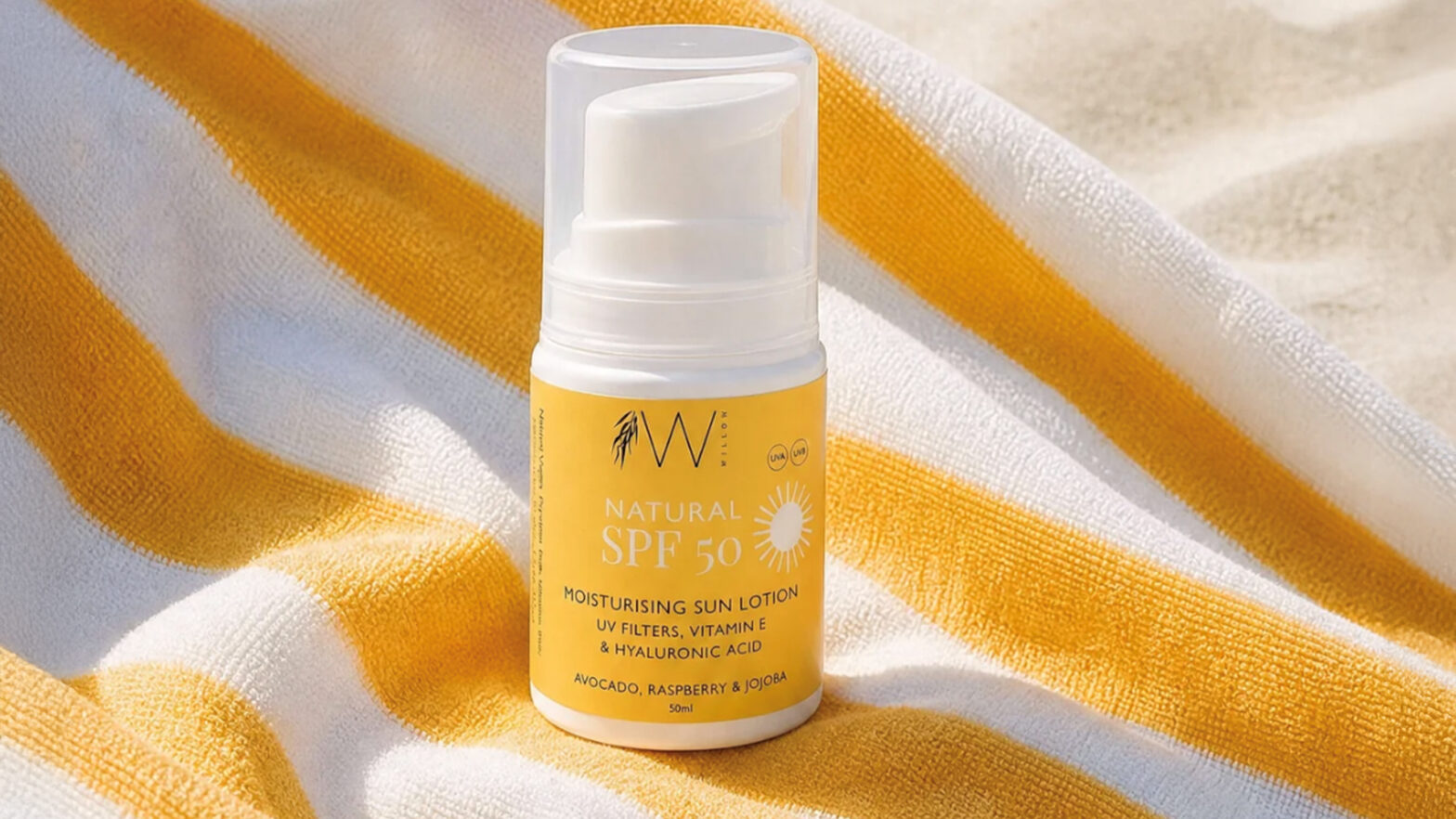
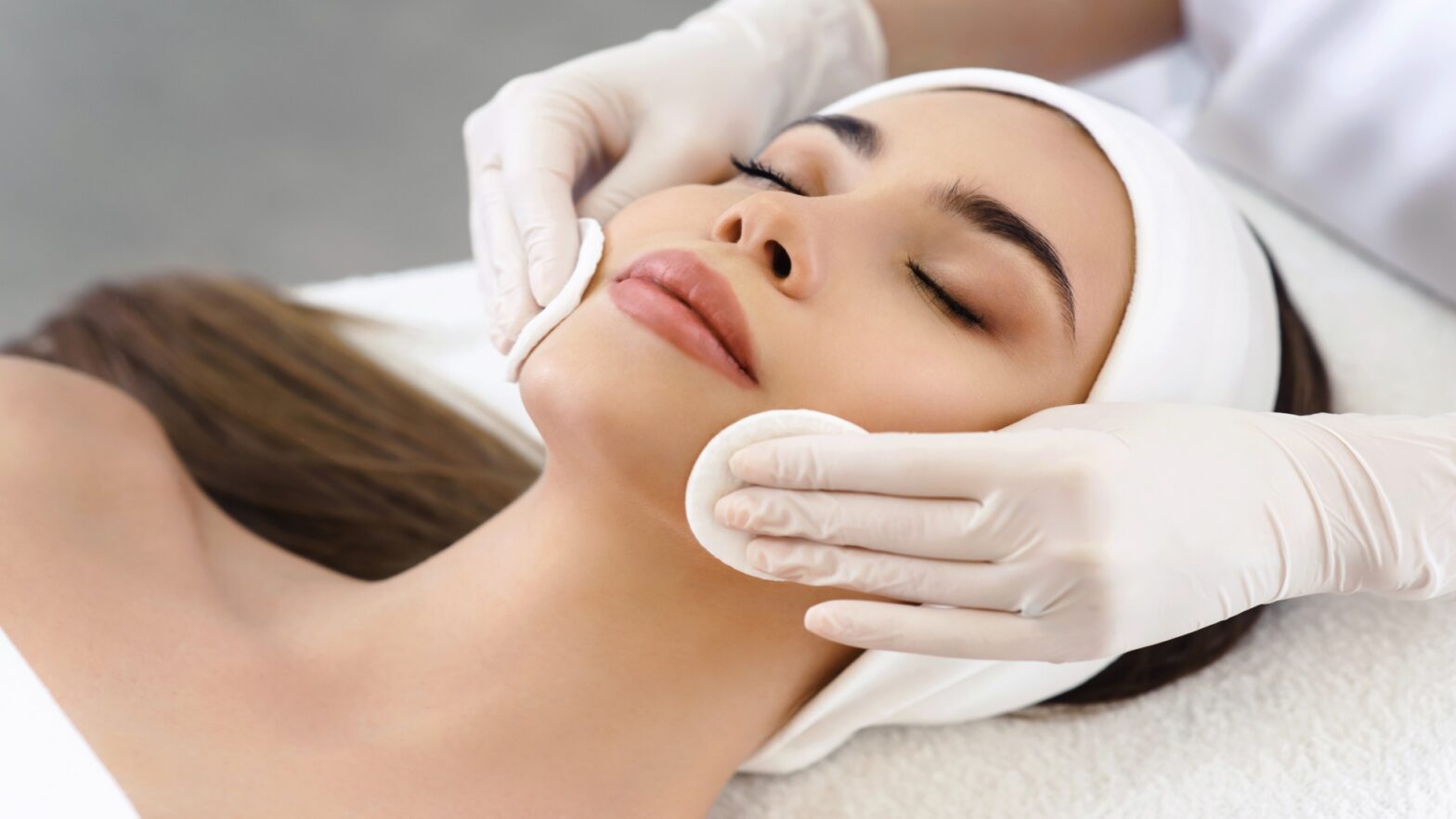
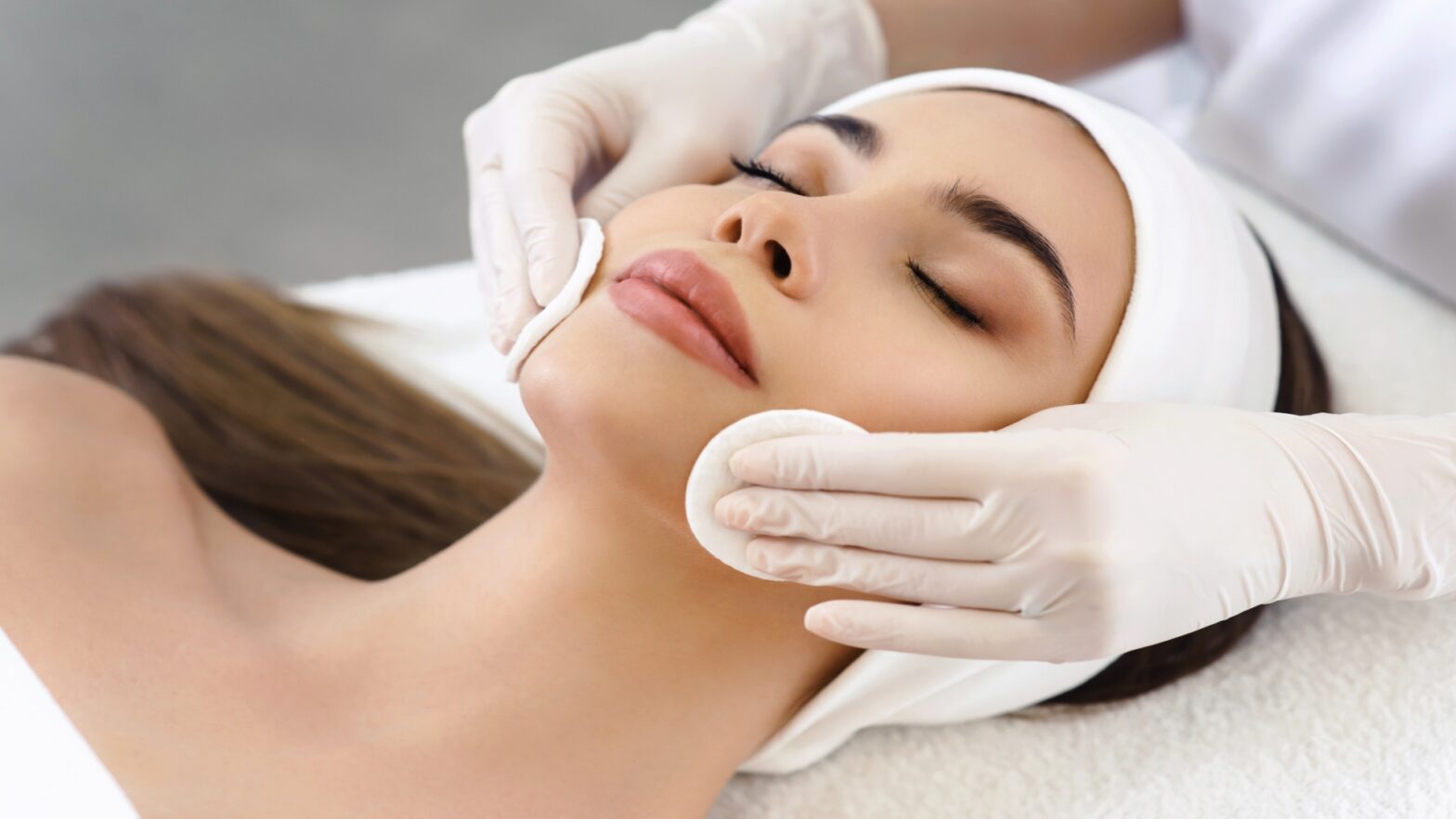
A face cream performs best within a consistent skincare sequence. Gentle cleansing removes residue while limiting unnecessary disruption to the protective barrier. Apply serums to target concerns before moisturizer. Finish morning care with broad-spectrum sunscreen. Evening routines may support a richer formula, especially after cleansing or treatment products. Application amount also matters. A thin, even layer often provides sufficient coverage without pilling or congestion.
Assess Skin Sensitivity
Reactive complexions need a cautious introduction. A patch test on the inner arm or along the jaw can reveal possible redness, burning, itching, or swelling before full-face use. Users with eczema, rosacea, or persistent dermatitis may need guidance from a qualified clinician. Prescription treatments and exfoliating acids can alter tolerance. Discontinue any product that causes ongoing discomfort until the cause becomes clear.
Compare Value Beyond Price
Premium pricing may reflect laboratory work, ingredient sourcing, stability testing, container quality, or production standards. Those factors matter, yet value depends on practical performance and continued use. A product range offering light, whipped, and rich textures may help different complexions find a better match. Buyers should calculate the cost per application, expected use period, and amount needed each time. An expensive jar offers limited value if the formula remains unused.
Watch for Marketing Signals
Luxury skincare often uses polished imagery, scientific language, and aspirational claims. These elements may attract attention, but they should never substitute for ingredient transparency or credible testing. Reliable product information identifies the intended complexion, texture, active compounds, directions, and evidence behind performance statements. Shoppers should also examine shipping terms, return conditions, and customer support. Clear details make comparison easier and reduce avoidable purchasing errors.
Make a Practical Choice
A sound decision balances complexion needs, sensory preference, ingredient tolerance, and available evidence. Dry skin may prioritize lipid-rich nourishment, while combination types may prefer rapid absorption and moderate hydration. Before buying, shoppers should identify one primary concern, choose a compatible texture, review potential irritants, and introduce the product gradually. This method limits guesswork and supports a routine that remains comfortable over time.
Conclusion
Selecting a premium facial moisturizer requires more than judging price, packaging, or texture alone. Skin type, barrier condition, active compounds, testing quality, storage, and routine compatibility all affect satisfaction. Patch testing remains valuable for sensitive users, while realistic timelines help prevent disappointment. A considered choice supports consistent care, comfortable hydration, and gradual improvement in visible texture. With these checks, shoppers can choose a formula that fits present needs and daily skincare habits.