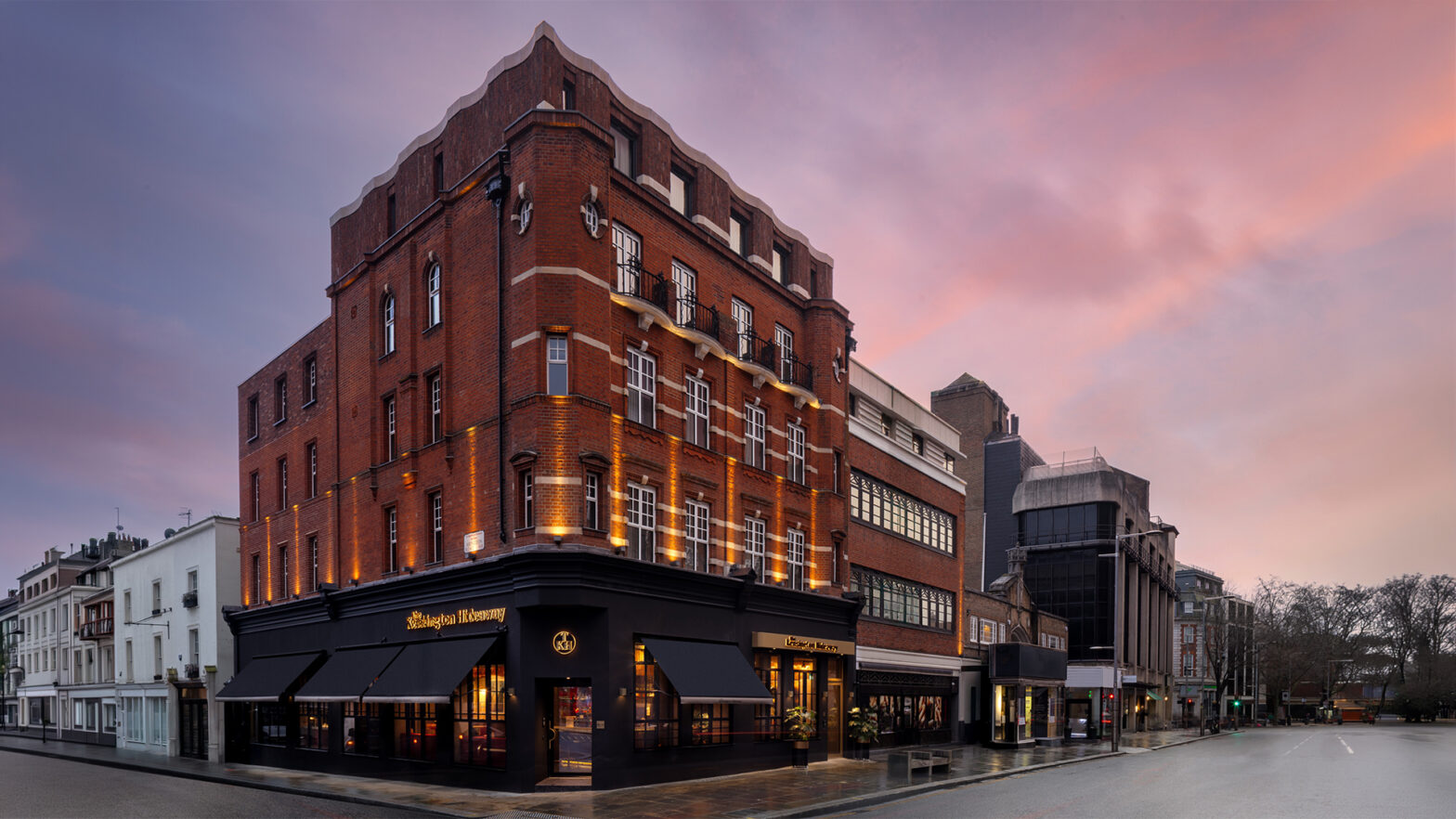








Ask a seasoned traveler where they’re staying, and you won’t hear the name of a five-star chain. Hotel hubs promise convenience. They also promise sameness — same lobby scent, same buffet, same view of someone else’s balcony. Here’s why people who travel for a living walk right past the big signs and where they end up instead.
The Villa Alternative, and Why It Took Over Canggu
Canggu, a decade ago, was a surf village with maybe one warung worth remembering. Now it’s Bali’s unofficial capital for people who work off a laptop and swim before breakfast. Resorts didn’t drive that shift. Villas did — their own kitchens, their own rhythm, a gate code instead of a front desk. Search villa rentals in Canggu and you’ll notice something odd: the listings that fill up fastest aren’t the flashy ones. They’re fifteen minutes from Batu Bolong, down a rice-paddy road with no streetlights. Not an accident. That’s kind of the whole point.
Talk to anyone who’s stuck around a full season and they’ll say the same thing. The good villas barely advertise. They fill through word of mouth — one guest tells the next, a host remembers how you take your coffee, and that’s it, you’re booked through March.
Where the Crowd Goes, and Why That Matters
Hotel hubs cluster near airports and convention centers for one reason: logistics, not experience. Efficient? Sure. But efficient and memorable rarely show up in the same sentence.
What Hubs Actually Optimize For
- Proximity to transit, not to anything worth walking toward
- Predictability — a nicer word for interchangeable
- Volume, because more beds means thinner margins on everything that makes a stay feel considered
Here’s a trick insiders use without really thinking about it: check the parking lot before the reviews. Fourteen tour buses out front? You know exactly what your evening sounds like. A gamelan rehearsal down the road instead? Different story entirely.
The 2026 Visa Detail Nobody Mentions at the Front Desk
Most front-desk staff won’t bring this up — not their job, really. But Indonesia’s E33G remote worker visa, extended through 2026, now runs a full year with an actual renewal path. No more scrambling every sixty days like the old visa-run circuit demanded. That one change quietly rewired how long people stick around in Canggu and Ubud. A traveler who used to book eight nights books eight weeks now.
And longer stays just don’t suit hotel hubs. Try cooking a real dinner in a room with a kettle and a mini-fridge. Go on, try it for a month straight. Villas figured this out before anyone had to ask — a plunge pool, a proper stove, a rice-field view that stays exactly the same no matter how long you sit with it.
What Changes When You Stay Longer
- Daily costs drop once you stop eating out for every meal
- Local relationships actually form — the woman who sells eggs starts saving you the good ones
- Jet lag stops mattering after week one, and that shifts what you even want from the place
- You start clocking the small stuff — which warung runs out of nasi campur by 1 p.m., which back road skips the sunset traffic on Canggu’s main strip
Uluwatu’s Break Isn’t for Everyone, and That’s the Point
Every Bali guide mentions Uluwatu, usually with the obligatory sunset photo of the cliffside temple. Fine. But almost none of them mention the surf detail that actually matters: the reef break only really works May through September, when the dry-season swell lines up with an offshore wind holding the wave’s face clean. Show up in January instead and you’ll get onshore chop, plus a fair number of disappointed influencers holding boards they never got wet.
Locals plan their whole calendar around this. Hotel hubs, built for year-round occupancy, can’t really afford to. A villa host will just tell you straight — skip December, come back in July. Not marketing. Just someone who actually surfs the break, and would rather have you back next year than eat a one-star review over a wave nobody promised you in the first place.
What Actually Signals Quality
Forget star ratings for a second. Ask these instead.
- Does the property have a name locals actually use, or just a listing number on a booking site?
- Is there a real kitchen, or a “kitchenette” that’s really just a microwave and false hope?
- Who’s managing it — an agency three time zones away, or someone who picks up at 11 p.m. when the water pressure drops?
- Can they tell you, off the top of their head, which month the surf works? Or do they have to check a script first?
None of it’s glamorous. It’s just the gap between a place built to fill beds and one built to actually be lived in. Small distinction on paper. Huge difference three weeks into a trip.
So Why Travel Insiders Still Avoid Standard Hotel Hubs
Because the hub was never really built around a person. It was built around throughput. A villa down a rice-paddy road, a warung with no English on the menu, a surf forecast someone actually double-checks before you book your flight — none of that scales the way a hotel chain does. Which, honestly, is exactly why it still feels like something. Quiet luxury was never a marketing term. It’s just paying attention to what’s actually in front of you instead of whatever’s easiest to sell.
Sounds obvious once you put it that way. Doesn’t it?