



A pair of luxury sneakers can cost anywhere from $200 to well over $1,000, and the price says little about what went into the shoe. Two pairs at the same price can come from very different places. One is cut by hand from full-grain leather and built with techniques taken from dress shoemaking. The other is assembled on a production line from corrected leather and adhesive, with a large share of the price paying for the name on the heel.
Here is what separates them, and how to tell which one you are holding before you pay.
The Leather Grade Sets the Ceiling
Most sneakers sold as “premium leather” use top-grain hides that have been surface-corrected. The outer layer is buffed to remove scars and marks, then covered with a pigmented coating so every pair looks the same. The finish is consistent, but the coating sits on top of the leather rather than moving with it, so the upper creases in hard lines and can crack at the flex point.
Full-grain leather keeps the complete outer layer of the hide, with no surface correction. Because nothing is sanded or coated to hide flaws, only the cleanest hides qualify, and the natural fiber structure stays visible up close. It is the strongest and most breathable part of the hide, and it is the reason a well-made sneaker develops a patina instead of wearing out.
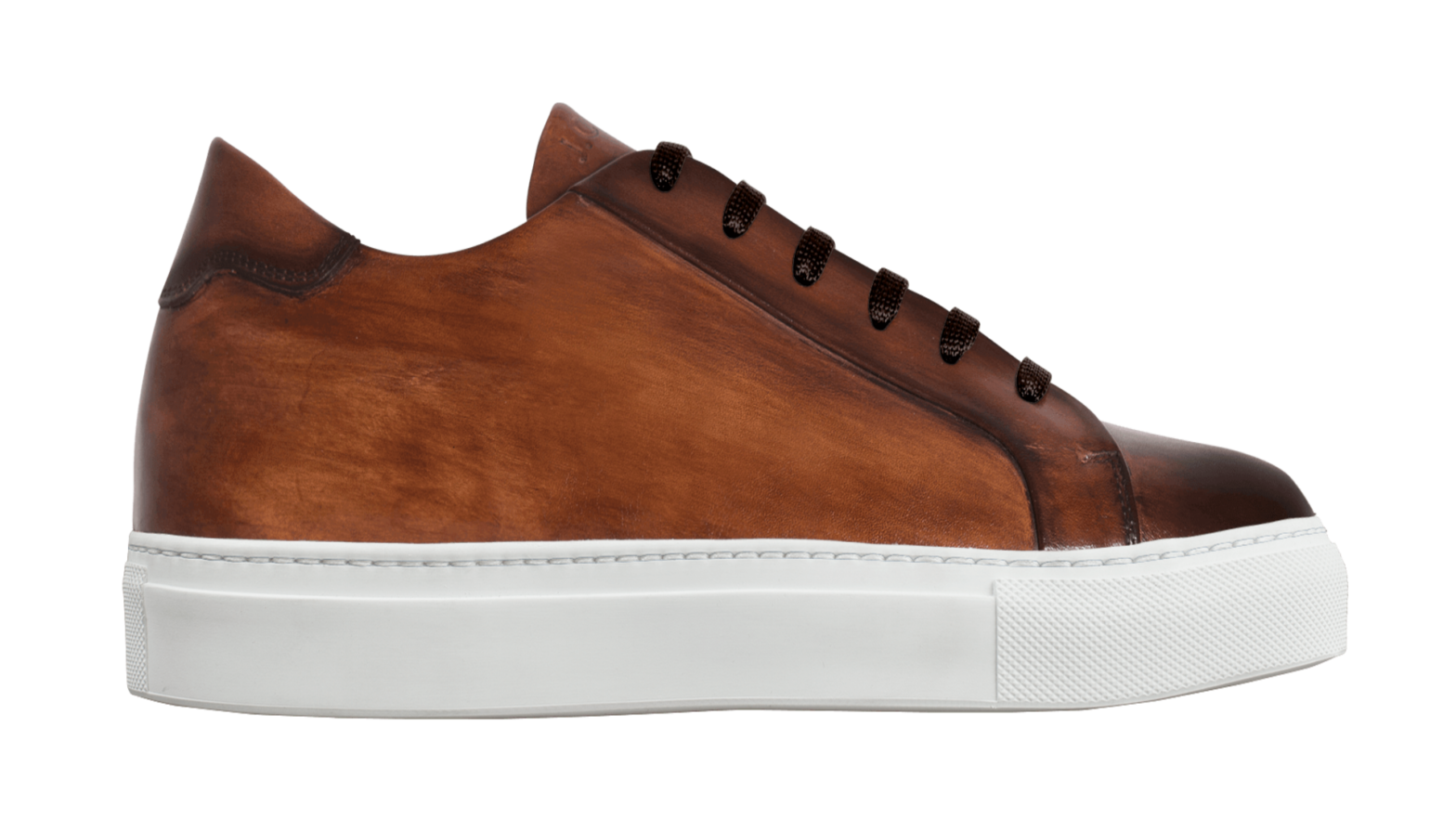
Tanning matters as much as the grade. Chrome tanning takes a day or two and is used for most leather produced worldwide. Vegetable tanning relies on plant-based tannins and takes weeks, producing leather that firms up with use and shapes itself to the foot. Brands that use it tend to say so plainly. J.C.LUTZ luxury sneakers, for example, come in vegetable-tanned full-grain leather that the brand hand-paints at its atelier in Italy, which is why that option comes in rich, deep colors rather than stark white or black.
Construction Is Where Dress Shoemaking Shows
Buying guides often advise you to check the stitching and construction before you buy, and that advice holds. The useful part is knowing what to look for.
Start with the sole. Most fashion sneakers use a cupsole attached with adhesive alone. It is fast and inexpensive, and it is often the first thing to fail. A craft-built pair stitches the cupsole to the upper, so the bond does not depend on glue holding up through heat, rain, and thousands of steps.
Next, look inside the midsole. Mass-produced sneakers usually fill it with foam or fiberboard. Better pairs use leather, and some include a flexible metal shank, a component standard in dress shoes that supports the arch and helps the shoe keep its shape. It is rare in sneakers because it adds cost and labor. J.C.LUTZ builds a metal shank and a cowhide midsole into every pair, and the removable footbed lets you see the midsole for yourself.
Finally, check the edges of the upper. Many sneakers leave the leather edges raw and seal them with edge paint, which chips over time. On a well-made pair, the edges are hidden-stitched with the lining, so there is no raw edge to wear.
Production Decides the Consistency
Hand-cutting, known in shoemaking as clicking, lets a craftsman inspect each hide for fiber direction and surface consistency before placing the pattern.
Quality control follows the same logic. In mass production, a small sample from each batch is inspected, often around one pair per thousand. In small-atelier production, each pair is reviewed individually before it leaves the workshop.
Then there is volume. A brand that produces thousands of pairs in advance has to recover the cost of unsold stock somewhere, usually in the retail price or in end-of-season discounts. Made-to-order production builds each pair only after it is ordered. J.C.LUTZ works this way, letting customers choose the leather, color, and personalization while the last stays fixed for balanced comfort. Buyers don’t subsidize surplus inventory.
What the Price Pays For
With logo-priced sneakers, much of the price covers marketing, celebrity partnerships, wholesale margins, and retail rent.
With a craft-built pair, a larger share of the price goes into materials and labor: the hide, the hours at the bench, and the inspection. The simplest way to compare the two is cost per wear. A $270 pair worn three days a week for five years costs about 35 cents per wear. A $450 logo-priced pair that looks tired after two years of the same use costs about $1.44 per wear.
Where a Craft-Built Pair Fits in a Wardrobe
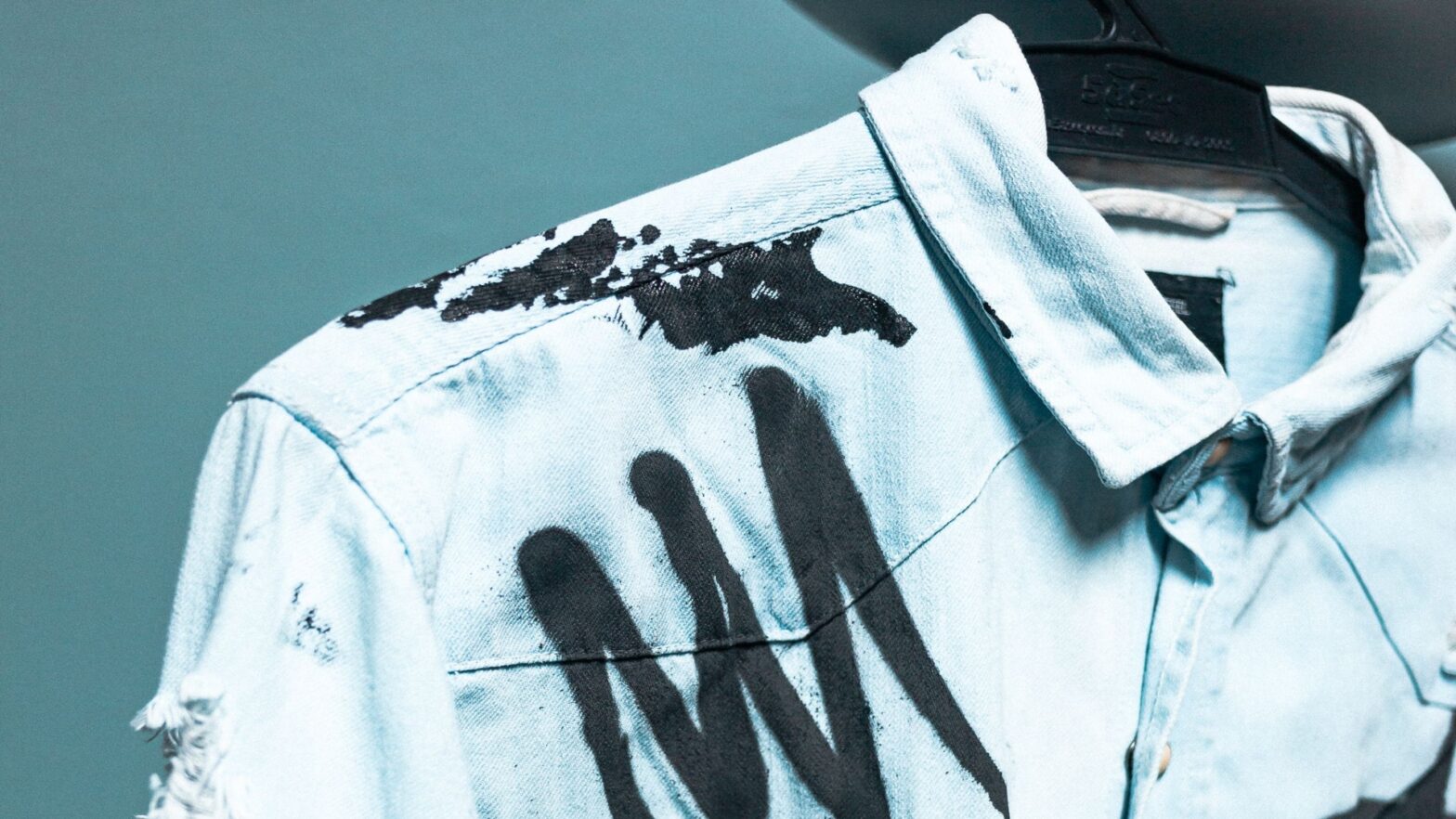
A well-made leather sneaker sits between casual and formal footwear, which is why it works in so many settings. With dark denim, a faded tee, and an unstructured blazer, it gives a relaxed outfit some structure, a combination LUXlife covers in its guide to men’s distressed shirts. In offices where the dress code has moved past oxfords and derbies, a clean leather pair works with tailored trousers and a knit polo or an open-collar shirt.
Before You Buy
Ask the brand which leather grade it uses and how it’s tanned. A specific answer, such as vegetable-tanned full-grain, is a good sign. “Premium leather” on its own tells you nothing. Ask whether the sole is stitched or glued, what the midsole is made of, and whether the lining is leather. If you can handle the shoe, remove the footbed, run a finger along the upper’s edges, and flex the sole to see where it creases.
A luxury sneaker earns its price through its materials and construction. The logo is the one part of the shoe that adds nothing to how long it lasts.