






Two rings can look alike in a shop window and still differ in price several times over. The Rome school Accademia delle Arti Orafe explains where the hidden hours of handmade high jewellery go.
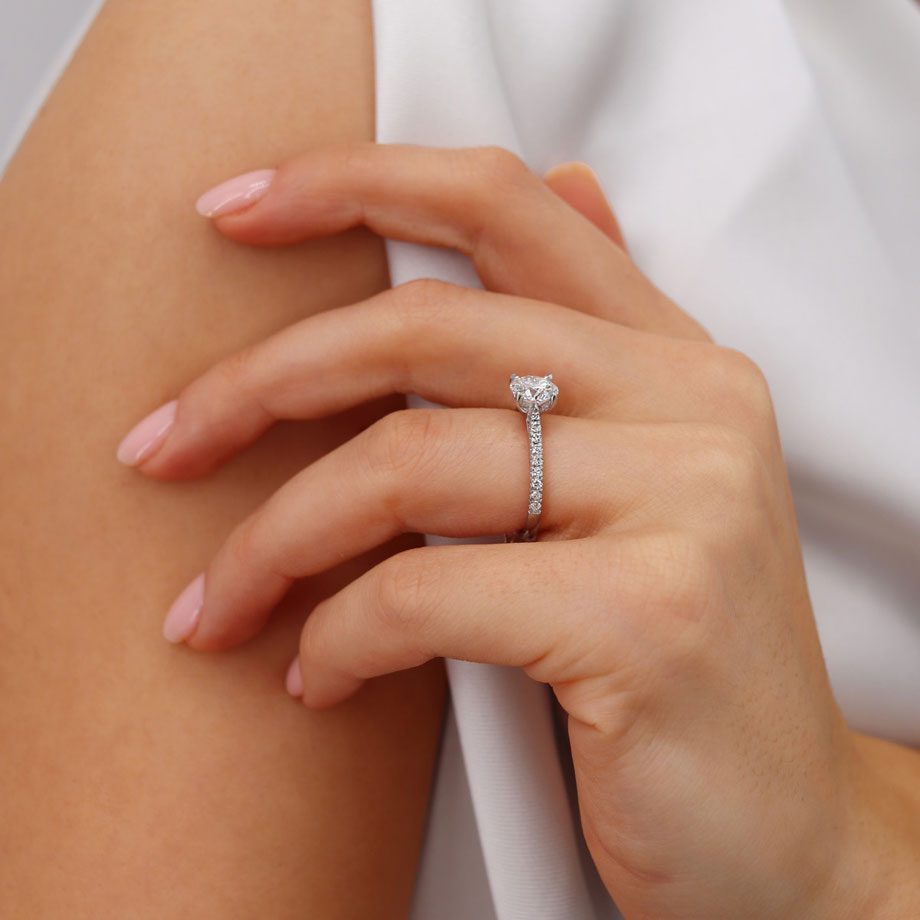
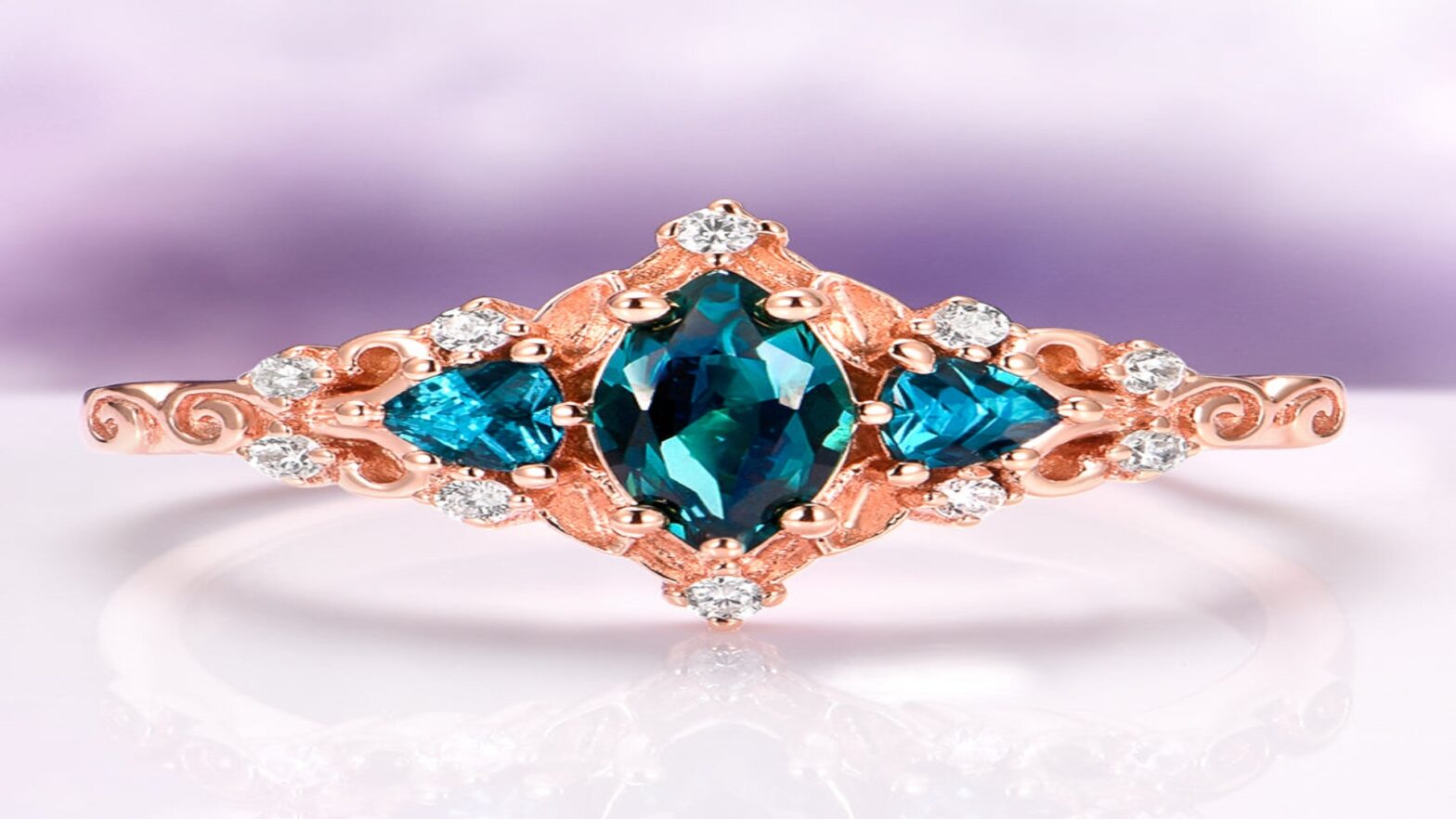
Two rings sit a few centimetres apart in a jeweller’s window. Both are 18-carat gold, both hold a diamond of roughly the same size, and from the pavement they look interchangeable. One costs several times as much as the other, and it is easy to assume that the gap comes down to the name printed on the box. The brand accounts for part of it. A large share of the difference is labour that cannot be seen through the glass, spent on the model, the joints, the finish and the setting of the stone.
To follow that labour stage by stage, the editors asked Accademia delle Arti Orafe, the Rome school of high jewellery founded in 1983, where students learn the trade at the bench with individual guidance from their masters. In the school’s view, the handmade ring and the series ring part ways long before anyone picks up a polishing mop.
One carved wax against a master model built for hundreds
Volume production starts from a master model, typically drawn in CAD software, printed in resin and then cast in metal. That metal master is used to make a rubber mould, and the wax copies injected into it are mounted around a central stem to form a tree and cast together, so a single design yields dozens of identical blanks in one run and hundreds from the same mould. CAD is used in small workshops as well, so on its own it proves little.
According to the academy’s masters, the line falls elsewhere. A handmade piece is either built directly from sheet and wire or cast from a wax carved for that piece alone. Wax modelling for lost-wax casting is part of what the Rome school teaches, so it does not treat casting as the enemy of handwork. What counts is whether the model was shaped for one object or for a production line.
Why a fabricated ring feels different on the finger
Hand fabrication means shaping sheet and wire with the saw, the file and the torch. Each pass through the rolling mill and each blow of the hammer compacts the alloy, and worked metal tends to be denser and harder than the same alloy poured into a mould, where tiny pores can stay hidden until a surface is polished or a claw is bent over a stone. Factories get dense metal another way for standard parts such as settings, which are die-struck under heavy presses.
For the academy, much depends on the joints, since a solder seam is only as good as the fit of the parts before the torch is lit. A careful fit leaves almost nothing to see, while a rushed one shows up later as a faint line or a weak point.
Finishing and setting: where the hours go
Series pieces are commonly finished in batches, tumbled in barrels with steel or ceramic media or spun in magnetic polishers. Stones may even be placed in the wax before casting, a technique known as wax setting that saves time on long runs. Both methods treat every ring in the batch the same way.
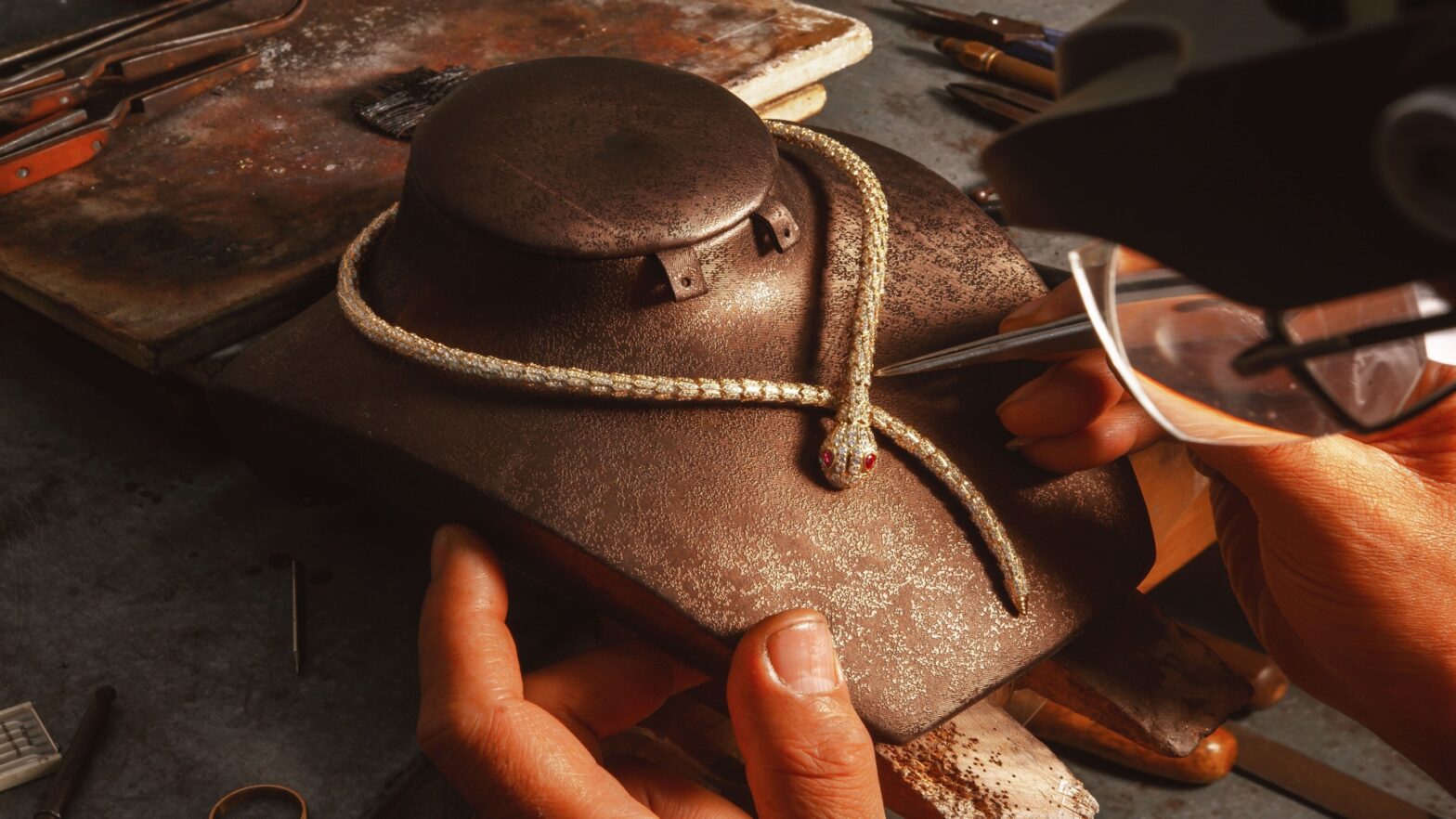
At the bench, each piece is handled on its own. The Rome academy trains its students to set under the microscope with a graver, so that each seat is cut to fit its own stone. Finishing follows the same logic, with files, abrasive papers and the polishing motor applied a surface at a time, including the inside of the shank and the underside of the setting.
What the price difference pays for
Handmade work has a wide market in Britain. According to the Crafts Council’s Market for Craft report, published in 2020, 73% of UK adults had bought craft in 2019 and jewellery was the most popular craft discipline by volume. The report links the market’s growth to a preference for investment purchases over throwaway objects.
What a buyer pays for in a handmade ring, as the school sees it, is mostly time spent by one person on steps that leave no trace when done well. Repair and restoration are taught there next to making, and a piece built by hand can usually be opened up and resoldered at the bench decades later.
Frequently Asked Questions (FAQ)
How can you tell whether a gold ring was made by hand or mass-produced?
Look at the inside of the shank and the space under the setting. Handmade pieces tend to show the same care there as on the front, with crisp edges and no rough casting residue, whereas a uniform, slightly soft lustre on every surface can point to batch tumbling. A UK hallmark confirms the metal and the assay office but not the method, so asking the jeweller remains the surest test.
Does handmade jewellery hold its value better over time than mass-produced jewellery?
The gold and the stones set the floor of any resale price. Workmanship weighs on durability and on the cost of upkeep. Resale value depends on the maker, the condition and the market of the moment, and no piece should be assumed to grow in value because it was made by hand.
Can a mass-produced ring be resized or repaired as easily as a handmade one?
Solid cast rings can be resized in most cases. Hollow or very thin pieces are harder to work on, and rhodium-plated white gold needs replating after most repairs. Full eternity bands, with stones all the way round, may not be resizable at all.