






A luxury watch is more than an accessory that tells the time. It can reflect personal taste, craftsmanship and an appreciation for quality engineering. Among the leading names in the global watchmaking industry, Omega has earned recognition for producing timepieces that combine sophisticated designs with advanced mechanical technology. Its watches appeal to collectors, professionals and individuals who value reliability and timeless aesthetics.
An omega watch represents a combination of Swiss watchmaking traditions, innovative features and distinctive styling. Over the years, the brand has developed collections that suit different lifestyles, from sporting activities to formal occasions. Exploring its background, product ranges and technical qualities provides a better understanding of why Omega remains an important name in luxury horology.
The History Behind Omega Watches
The story of Omega began in 1848 when Louis Brandt established a watchmaking workshop in Switzerland. Initially, the business focused on producing pocket watches using components sourced from local manufacturers. As the company expanded, it invested in improved production methods and developed a reputation for manufacturing accurate timepieces.
In 1894, the company introduced an innovative movement that eventually inspired the Omega name. This development represented an important milestone in its journey towards becoming an internationally recognised watch manufacturer.
During the twentieth century, Omega became associated with several major achievements in sports, science and exploration. Its involvement in international sporting competitions and space missions helped establish its reputation for precision and dependability. Today, the company continues to build upon this history while introducing modern technologies and updated designs.
Popular Omega Watch Collections
Omega offers several collections, each developed around particular design principles and practical requirements. This variety allows buyers to explore different styles depending on their preferences and intended use.
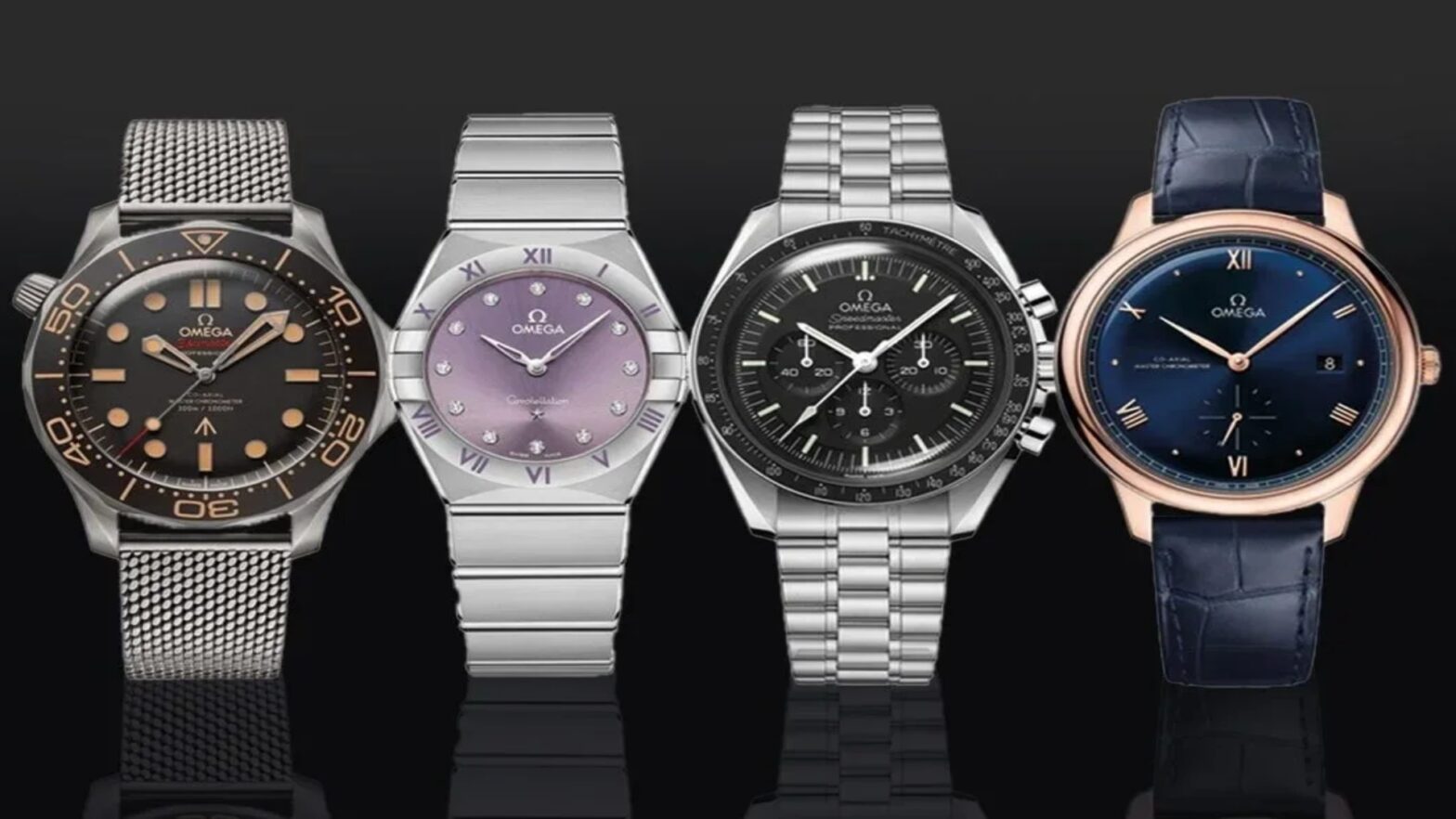
The Seamaster range is especially popular among people who appreciate sporty watches and aquatic activities. Many models include rotating bezels, luminous hour markers and impressive water resistance. Their construction combines practical functionality with designs suitable for everyday wear.
The Speedmaster collection has a different identity, particularly because of its connection to motorsports and space exploration. These watches are widely recognised for their chronograph functions, which allow users to measure elapsed time. The Speedmaster Professional gained international attention after being selected for NASA’s Apollo missions.
For those who prefer a more sophisticated appearance, the Constellation collection offers distinctive styling and carefully finished details. Its recognisable case designs and refined dials make it an appealing choice for professional and formal environments.
The De Ville collection takes a more traditional approach to luxury watch design. It includes elegant models featuring balanced proportions, understated details and carefully developed movements.
Swiss Engineering and Mechanical Precision
Accurate timekeeping is one of the most important qualities of a well-made watch. Omega has invested heavily in mechanical engineering to improve the performance and reliability of its movements.
One notable development is the Co-Axial escapement. This mechanism was designed to reduce friction in important movement components, helping improve mechanical efficiency and stability. It has become an important feature of many Omega mechanical watches.
Selected models also receive Master Chronometer certification. This certification involves testing accuracy, magnetic resistance and performance under different conditions. Such testing provides additional confidence in the technical capabilities of qualifying watches.
Magnetic resistance is particularly relevant in modern life because electronic equipment and everyday devices can create magnetic fields that affect conventional mechanical movements. Omega’s specialised movement technology helps protect compatible watches against these influences.
Materials and Design Characteristics
The quality of a luxury watch depends partly on the materials used in its construction. Omega works with different metals and advanced materials to achieve a balance between durability, comfort and appearance.
Stainless steel remains a popular choice because of its strength and versatility. Other models incorporate gold or titanium, while selected designs feature ceramic components. These materials provide different visual finishes and performance characteristics.
Many Omega watches use sapphire crystal to protect the dial. This material offers strong resistance to scratches, helping maintain visibility and preserve the watch’s appearance during regular use.
Customers can also choose between different bracelet and strap options. Metal bracelets offer a classic appearance, whereas leather straps provide a more traditional look. Rubber straps are available on selected models, particularly those designed around active lifestyles.
Dial colours, case dimensions and finishing details further distinguish individual models. These choices allow buyers to select a timepiece that complements their clothing and personal style.
Choosing the Right Omega Watch
Purchasing a luxury watch requires more consideration than simply selecting an attractive design. Buyers should think about their daily activities, comfort requirements and available budget before choosing a particular model.
For individuals who enjoy swimming or diving, a suitable Seamaster model may be worth considering. Those interested in stopwatch functionality and sporting heritage might prefer the Speedmaster collection. Meanwhile, Constellation and De Ville watches offer options for people who appreciate more formal and understated designs.
Wrist size is another important factor. A watch should feel comfortable throughout the day, with a case diameter and thickness that complement the wearer’s wrist. Bracelet adjustment and overall weight can also influence comfort.
It is equally important to examine the movement, water resistance rating and servicing requirements. Understanding these specifications helps buyers choose a watch that matches their expectations and intended use.
Understanding Value and Authenticity
Luxury watches can vary considerably in price depending on their materials, movement technology, production numbers and overall condition. Popularity among collectors and market demand may also influence the value of particular models.
Limited-production editions sometimes attract additional interest because of their distinctive features or restricted availability. However, purchasing a luxury watch should primarily involve considering its quality, suitability and personal appeal rather than assuming it will increase in value.
Authenticity should always remain a priority. Buyers should review model reference numbers, product specifications, available documentation and the reputation of the retailer. Warranty details and original accessories may also contribute to a more transparent purchasing experience.
Retailers such as Jomashop allow customers to explore different Omega models and compare their features. Reviewing product descriptions, specifications and available prices can make it easier to understand the differences between collections and individual references.
Caring for an Omega Watch
Regular care is essential for maintaining a luxury timepiece. Although Omega watches are manufactured with attention to durability, appropriate handling and maintenance can help preserve their condition over time.
Cleaning the exterior with a soft, suitable cloth helps remove fingerprints, dust and everyday dirt. Water-resistant models should only be cleaned in accordance with their specific manufacturer guidelines.
Owners should also avoid unnecessary exposure to strong impacts, harsh chemicals and extreme environmental conditions. Even watches designed for demanding activities benefit from careful handling.
Mechanical movements require professional attention at recommended intervals. Servicing helps assess internal components, check seals and maintain the watch’s overall performance. The appropriate maintenance schedule depends on the particular model and how frequently it is worn.
Conclusion
Omega has developed a strong reputation through its combination of Swiss craftsmanship, technical innovation and distinctive watch designs. Its collections offer a variety of choices, including sporty diving watches, chronographs and elegant everyday timepieces.
Understanding the differences between these collections, along with their materials, movements and maintenance requirements, can help buyers make informed decisions. Whether selected for daily use, professional occasions or personal collecting, an Omega timepiece represents a longstanding tradition of precision engineering and thoughtful design.