




Faded, frayed, and deliberately worn shirts have moved from the edges of streetwear into everyday wardrobes. The most refined outfits use distressing as texture rather than treating damage as the main attraction. The key is to surround that texture with pieces that look considered.
What distressed actually means
Distressing is a manufacturing choice, not an accident. Common techniques include stone or enzyme washing, abrasion, fading, ripping, and treatments that soften graphics or fabric. These processes create a worn-in appearance before the shirt reaches your wardrobe.
- Cracked print. Softened, broken graphics work best when the rest of the outfit is simple.
- Raw or frayed hems. Unfinished sleeve or bottom edges can be balanced with crisp trousers or dark denim.
- Collar distress. A slightly worn neckline is subtle under a jacket, where only part of it remains visible.
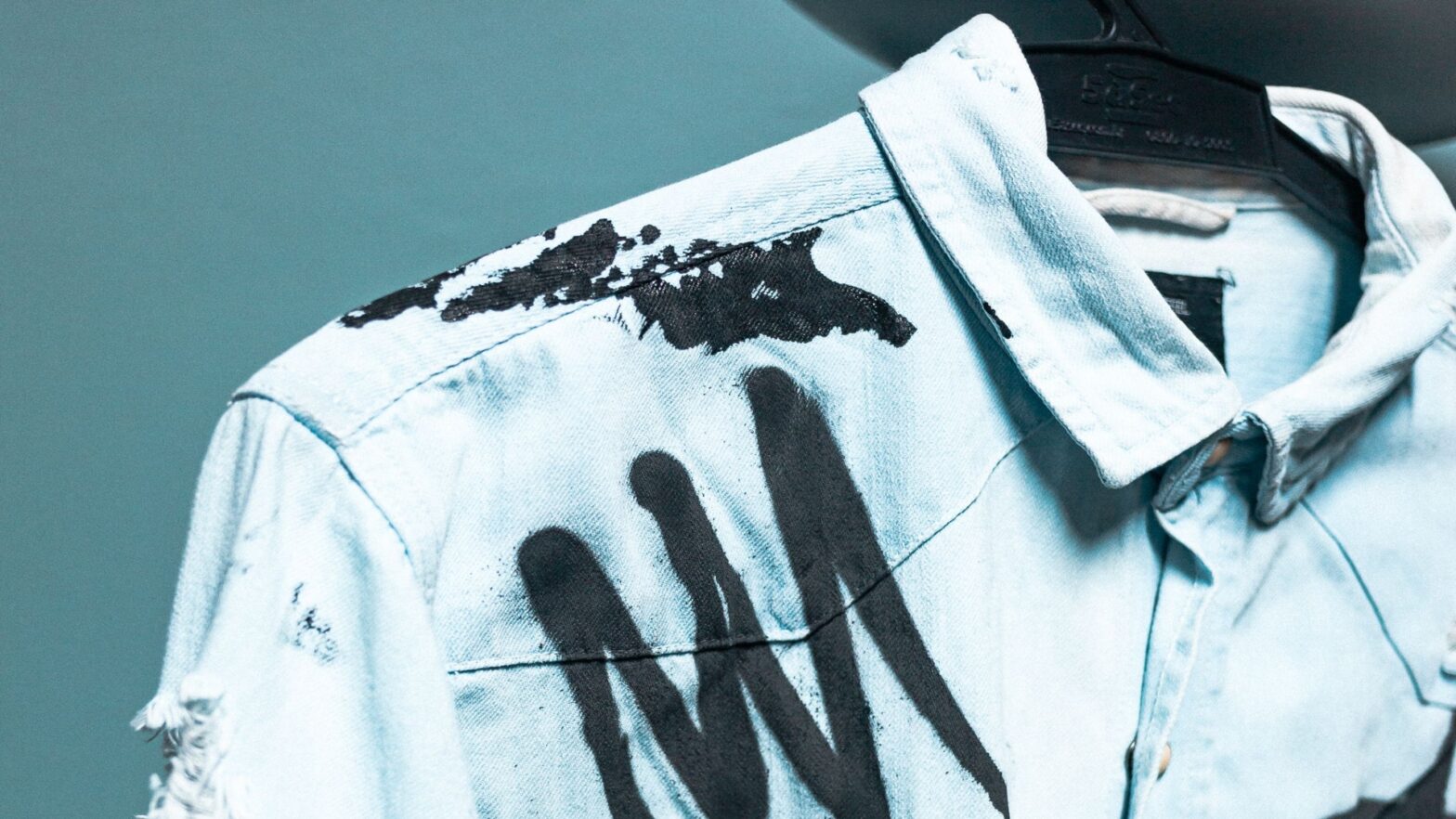
- Paint splatter. Treat this effect like a pattern and limit other prints in the outfit.
- Acid or vintage-wash base. A faded ground color with little surface damage is a versatile starting point for smarter outfits.
Fit and silhouette
Proportion often separates an elevated outfit from a careless one. Relaxed, boxy cuts with dropped shoulders feel current, but their volume needs a visual counterweight.
If the shirt is roomy, choose a cleaner bottom half, such as tailored trousers, tapered cargos or dark denim with a defined leg. When wearing an oversized overshirt, keep the layers beneath it closer to the body so the outfit does not become bulky. The same balance underpins streetwear proportions in general, whether the volume comes from a shirt, a hoodie, or an outer layer.
The same proportion logic applies to outerwear, and picking the right leather jacket for your frame is worth the same attention you give the shirt.
Sizing language varies between labels. One brand’s relaxed fit may resemble another brand’s oversized cut, so compare the published garment measurements with a shirt you already own.
Measurements matter more than the label, but so does knowing your personal style before you buy, whether you work it out yourself or with a stylist. Fit only reads as intentional when the rest of the wardrobe agrees with it.
Pay particular attention to chest width, shoulder width, sleeve length, and total length.
Details worth paying for
On a well-made distressed shirt, the wear should look intentional rather than random. Look for cotton jersey with enough weight to hold its shape, secure seams around raw edges, and a consistent wash without unwanted blotches. Thin areas around the collar, underarms, or side seams may wear out faster than decorative distressing elsewhere.
Construction methods also affect comfort. Enzyme washing can soften cotton and create an aged feel without relying only on physical abrasion. Pigment dye provides surface color that fades gradually, although some early color transfer is common. Seakoff’s focus on oversized and relaxed pieces makes it especially useful to check fabric details and garment measurements before choosing a size.
Four style formulas
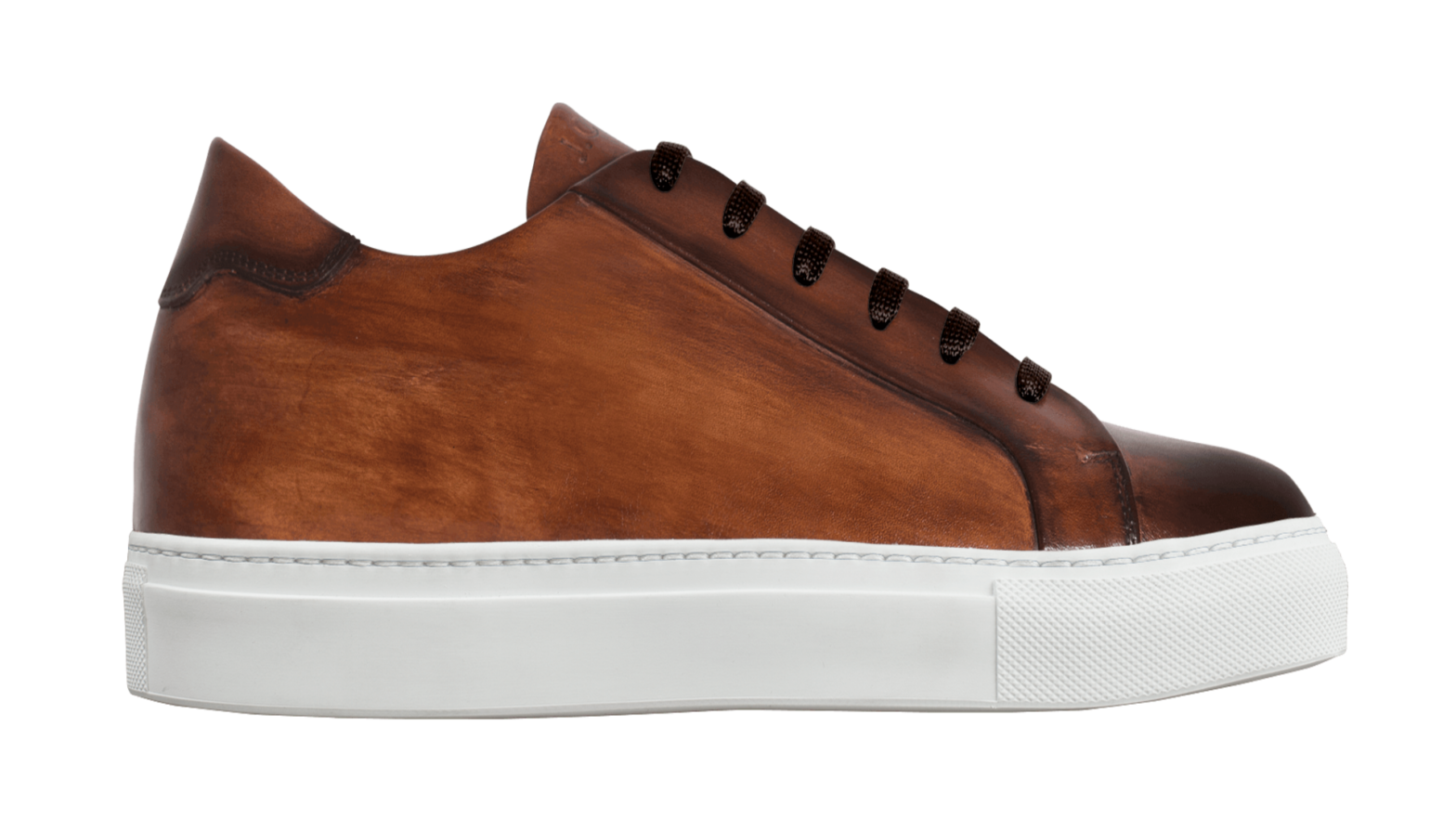
- Faded tee, unstructured blazer, dark denim, and clean leather sneakers. The soft jacket adds shape while the tee supplies texture.
- Long-sleeve waffle-knit distressed tee, pleated wool trousers, and loafers. The contrast between worn cotton and polished wool keeps the outfit interesting without adding bright color.
- Distressed graphic tee, tailored shorts, minimal jewelry, and sleek runners. One prominent graphic is enough, so keep the remaining pieces restrained.
- Oversized plaid overshirt, plain tee, tapered cargos, and boots. The narrowing leg balances the volume of the top layers.
Care that keeps it lived-in, not worn out
Distressed finishes are designed to change with wear, but careful washing can slow unwanted damage. Always follow the garment’s care label first, especially when the shirt combines cotton, synthetic fibers, prints, or decorative treatments.
- Turn the shirt inside out to reduce friction against prints and finished surfaces.
- Wash in cold water on a gentle cycle.
- Use a mild detergent and avoid bleach or fabric softener unless the label permits it.
- Air-dry when possible, or tumble dry on low heat if allowed.
- Do not press a hot iron directly onto a graphic or distressed area.
Wash pigment-dyed pieces separately during their first few cycles because the color may transfer. Cracked prints and raw hems will usually continue to soften and change over time. That development is part of the style, but no retailer can guarantee exactly how an individual garment will age.
Shopping smart: price, positioning, and a checklist
Seakoff offers an accessible collection centered on oversized and relaxed styles rather than slim fits. Browsing men’s distressed shirts in one place can help you compare finish types before looking at higher-priced options from multi-brand retailers. Because prices and stock change, judge each shirt by its construction, measurements, and usefulness in your wardrobe rather than the discount alone.
- Finish type: Decide whether you want surface distressing, raw edges, cracked printing, or a faded wash alone.
- Fabric: Check the fiber content, weight, softness, and whether the piece is pigment-dyed.
- Measurements: Use the brand’s size chart instead of relying only on your usual labeled size.
- Construction: Inspect the collar, side seams, and distressed areas for reinforcement where needed.
- Returns: Review return and exchange terms before buying, particularly when trying an unfamiliar fit.
- Care: Confirm whether the shirt can be machine-dried and whether color transfer is expected.
- Versatility: Consider whether the graphic and level of distress suit the places where you plan to wear it.
Character with constraint
The polished approach to distressing is straightforward: let the shirt provide the patina and use the rest of the outfit to add structure. Whether you are comparing a designer label with an accessible option such as Seakoff, focus on proportion, finish quality, comfort, and care. A restrained outfit gives the distressed details room to look intentional.
FAQ
How do I keep a distressed tee from looking sloppy?
Start with proportion. Pair a relaxed or dropped-shoulder shirt with trousers that have a clean line, then add a soft jacket or polished shoes. Keeping the color palette controlled also helps. One heavily textured piece per outfit is usually enough.
How should an oversized tee sit under a blazer?
A slight shoulder drop can work, but the tee should not bunch heavily beneath the jacket or extend far below it. Compare the tee’s measurements with the blazer and test whether you can move comfortably without pulling at the sleeves or chest.