

The renewed interest in studded design reflects a broader shift in luxury fashion, where archival motifs regain relevance with modern reinterpretation. Pieces rooted in heritage aesthetics are increasingly adapted to suit contemporary expectations, creating a dialogue between past and present.
In this context, the Valentino Garavani Rockstud remains a defining reference point. It illustrates how iconic detailing continues to influence current collections while maintaining a recognisable identity. So, what are some luxury studded accessories that are making a comeback today?
Studded handbags regain prominence
Luxury handbags featuring metallic studs have returned to visibility across seasonal collections. These designs balance structure and ornamentation. They offer contrast to minimalist leather goods that dominated previous years. According to a 2024 report by Bain & Company on global luxury consumption, leather goods account for approximately 22% of the personal luxury market. This indicates sustained consumer interest in statement accessories.
Studded handbags provide visual texture while maintaining functionality. Designers increasingly integrate smaller, more discreet studs rather than oversized embellishments. This approach creates pieces that transition easily between formal and casual contexts. In addition, neutral color palettes dominate recent collections. Some of the best colors are black, beige, and deep brown. The use of neutral colors reinforces versatility and longevity in purchasing decisions.
Footwear adopts subtle embellishment
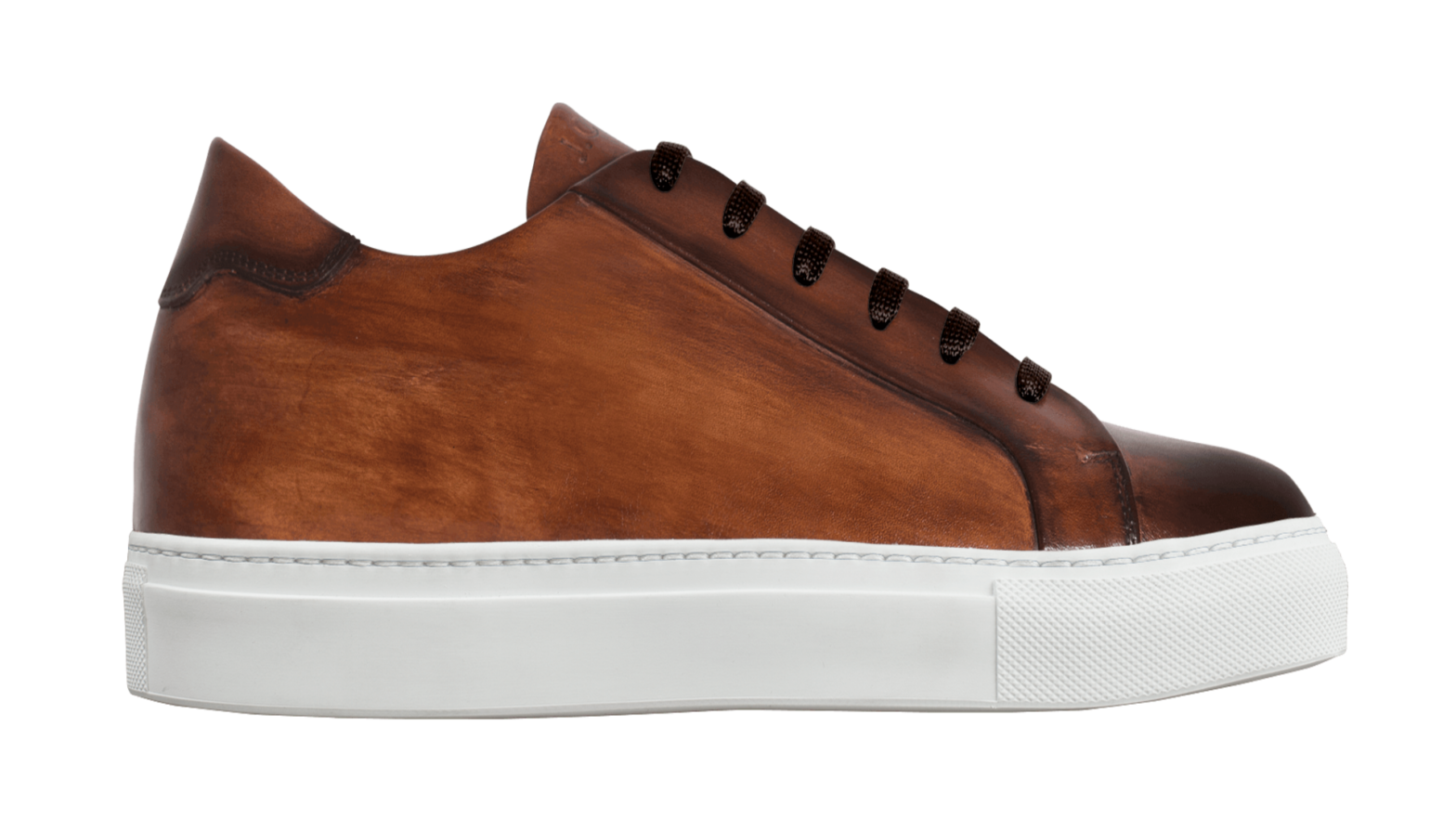
Studded detailing has also reappeared in footwear. The trend is mostly visible in ankle boots and sandals. Unlike earlier iterations that emphasised bold styling, current designs favor restraint. This shift aligns with evolving consumer preferences toward versatile items.
Market data from Statista indicates that the global footwear segment generated over $420 billion in revenue in 2023. Premium categories continue to expand steadily. Within this segment, embellished footwear represents a niche yet growing category. Designers also experiment with placement, concentrating studs along straps or heels rather than across entire surfaces, which enhances wearability.
Belts redefine structured silhouettes
Belts incorporating studs have become key elements in shaping contemporary silhouettes. They no longer serve solely as practical accessories. Instead, they act as focal points within an outfit. Thin leather belts with evenly spaced studs complement both tailored garments and relaxed ensembles.
It appears here within the broader discussion of symbolic or coded design elements that occasionally influence fashion narratives, though its interpretation depends on context. Such elements can subtly reinforce brand identity or reference subcultural influences without dominating the overall aesthetic.
Jewelry embraces industrial influences
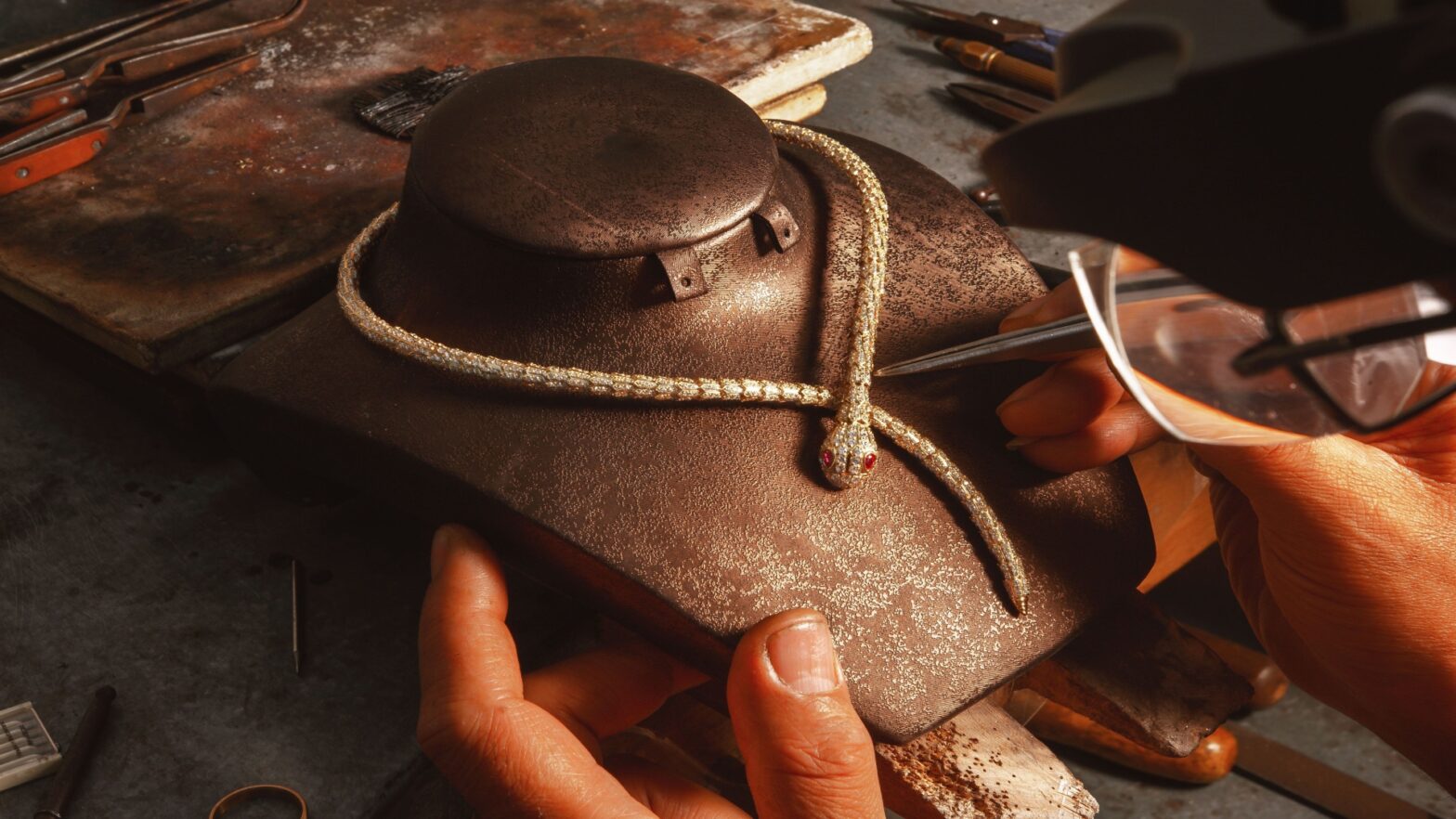
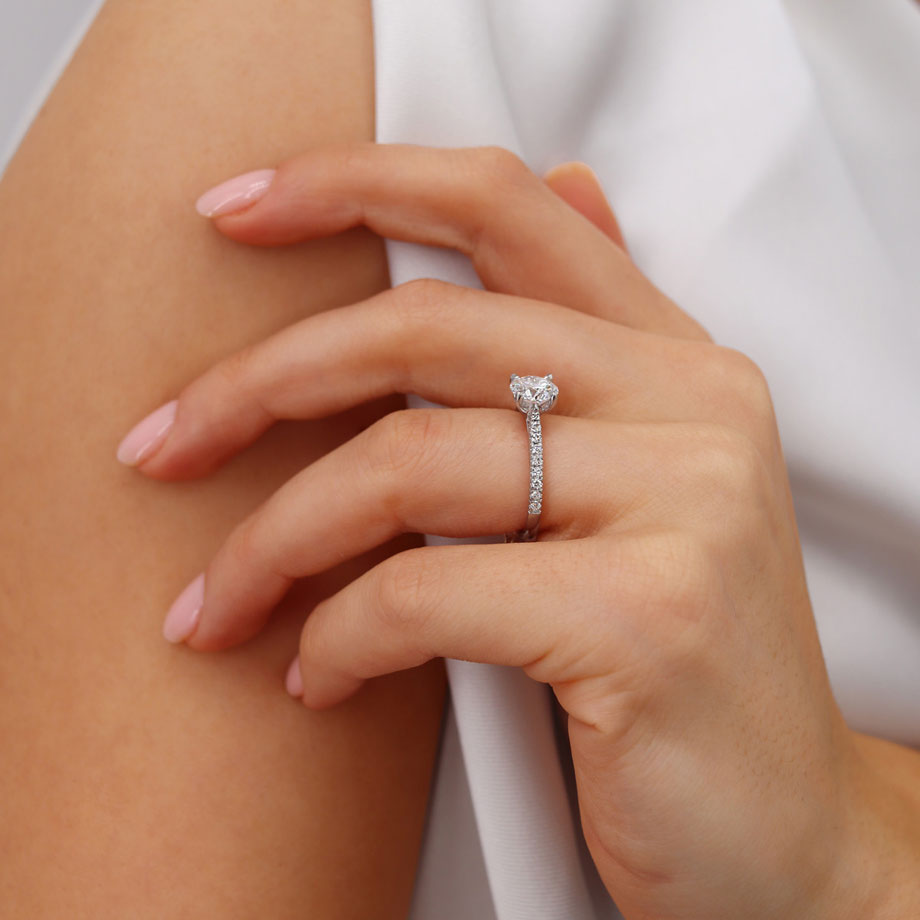
Studded jewelry has shifted toward an industrial-inspired aesthetic. Designers combine metals such as brass or silver with geometric arrangements. Earrings, cuffs, and chokers feature precise placements that prioritise symmetry.
The global jewelry market reached approximately $353 billion in 2023 according to Rawshot. Studded pieces attract consumers seeking alternatives to traditional gemstone-focused designs. This preference reflects a broader movement toward understated yet distinctive accessories that emphasise form over ornamentation.
Outerwear integrates discreet detailing
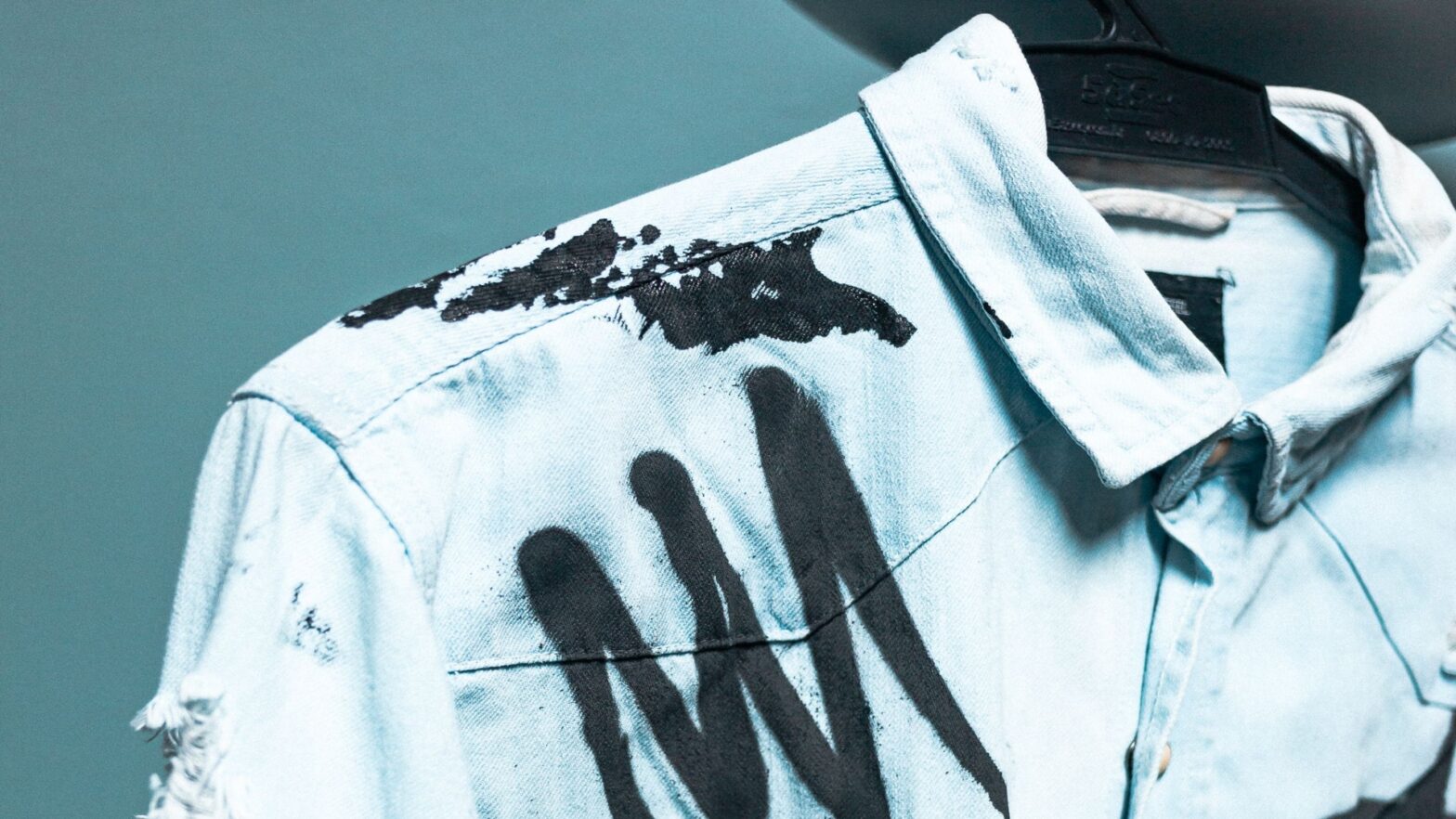
Outerwear incorporates studs in a restrained manner. Designers place them along seams or lapels. This subtle integration allows garments to retain a polished appearance while introducing contrast. Leather jackets remain the most common medium, though wool and denim variations also appear.
This approach reflects a growing emphasis on durability and long-term value in luxury purchases. Consumers increasingly prioritise craftsmanship and material quality, which supports the integration of subtle design elements rather than overt decoration. Furthermore, limited-edition releases and capsule collections contribute to the renewed appeal of studded pieces, reinforcing their perceived exclusivity.
Conclusion
The return of studded accessories points to recalibration rather than replication. Contemporary interpretations emphasise balance, precision, and adaptability. Supported by steady growth across luxury segments, this trend demonstrates how heritage elements evolve to meet current expectations while preserving identity. Additionally, the influence of digital platforms and social media accelerates the visibility of such trends. This allows niche aesthetics to gain rapid global traction and sustained relevance.