






The Best Natural Diamond Jewelry for Everyday Wear
Some jewelry just isn’t built for daily life. You know the type. Delicate settings, stones perched high enough to catch on a sweater the second you’re not paying attention. Fine for one night out, not so fine for the gym bag, the dish soap, the seatbelt buckle, that doorframe you always seem to clip on the way out. Everyday jewelry has to survive all of that. And natural diamonds, it turns out, handle it better than almost anything else. You just have to pick the right style and setting first.
So let’s get into it. Studs, pendants, tennis bracelets, understated rings, what settings hold up, what sizes make sense, how to actually wear this stuff without turning it into a production every morning. Read on to learn more.
Diamond Studs: The Easiest Place to Start
If you’re building out a bit of natural diamond jewelry you’ll actually wear every day, start with studs. Most people do, and there’s a reason for that. They sit close to the ear. Less snagging on hair, less catching on scarves or hoodies. A basic prong or bezel setting holds the stone in place through years of putting them on, taking them off, forgetting you’re even wearing them.
Best Brilliance sells studs from about a third of a carat total up to a full carat, and that range covers most people’s sweet spot for daily wear. Smaller than a third carat, some people find it too subtle. Bigger than a carat, it starts feeling more like a night-out earring than something for a random Tuesday.
Pendants and Necklaces That Actually Get Worn
Bezel or four-prong pendants are sturdy. Delicate, open designs? Not so much. Chain type matters here too, probably more than you’d think. Go sturdy: a cable or box chain, not something thin and decorative that’ll wear thin within a year of daily use.
Solitaires are the classic pick. One diamond, a quarter to half a carat usually, hanging on a simple chain. It works with everything. Jeans, work clothes, doesn’t matter. If you want a little more presence without spending on a bigger center stone, a small halo pendant does that job, adding sparkle around the edges instead.
Tennis Bracelets Built for Daily Life
Wrists take a lot of wear and tear. More than any other part of your body where jewelry lives. So a tennis bracelet needs a clasp you can trust. Box clasps with a safety latch cost a little more, but it’s worth it. A bracelet popping open halfway through your day means losing stones, and that’s an expensive mistake to make.
Smaller total carat weights work better here, somewhere around one to three carats total. They sit lower, catch less on sleeves, and don’t compete with a watch if you’re wearing one on the same wrist.
Understated Rings for Daily Wear
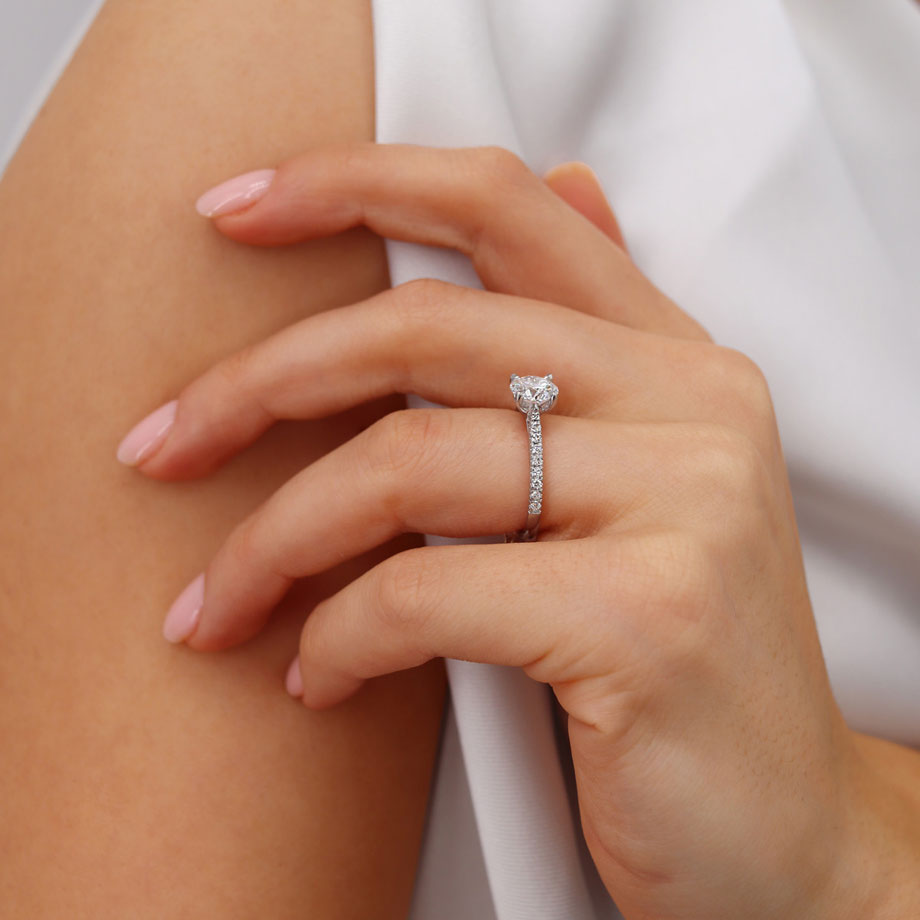
Washing dishes, typing, gripping a coffee cup, all day, every day; your hands have a lot to deal with. Bezel settings make sense here. They wrap the stone in metal, protecting it far better than a prong setting ever could against that level of constant contact.
There’s also the flush setting, where a small diamond sits level with the band itself. No prongs to snag on anything. Works great stacked with other simple rings too, since nothing sits too high above the rest.
How to Style Everyday Diamond Pieces
Less is more here. That’s really the whole trick. One or two pieces worn every day looks more put-together than five pieces worn once in a while. Studs plus a simple pendant covers most outfits without trying too hard. Add a bracelet, maybe a stacked ring or two, and you’ve built on that without crossing into special-occasion territory.
Mixing metals? Totally fine, and it looks more natural than most people think, especially with smaller pieces. A yellow gold ring next to a white gold bracelet just reads as personal style, not a mismatch, as long as the rest stays fairly simple.
Final Thoughts
Good everyday diamond jewelry comes down to two things: secure settings and practical sizing, not whatever’s trending this season. Studs, simple pendants, low-profile bracelets, bezel-set rings, they all handle daily life without losing their sparkle. Best Brilliance builds pieces with exactly this kind of wear in mind, so their collection is worth a look if you’re putting together something you’ll actually reach for every single morning.
FAQ
What carat size works best for everyday diamond earrings?
Somewhere between a third and a full carat total weight, usually. That’s the sweet spot between noticeable and practical for daily wear.
Are bezel settings better than prongs for daily jewelry?
For rings and pendants you’re wearing constantly, yes. Bezels protect the edges better and don’t snag or loosen as easily over time.
How often should a tennis bracelet clasp be checked?
Every few months is a good habit, especially if you’re wearing it daily. Catching wear early beats losing a stone later.
Can natural diamonds handle daily wear without damage?
Yes. Diamonds are the hardest natural material around, so scratching isn’t really a worry. Settings still need occasional upkeep though.